

Custom Snack Pouches for Retail Food Packaging
Custom snack pouches help brands solve a very practical problem: how to keep dry foods protected while still making them easy to display, store, and carry. In retail, packaging has to do more than look good. It needs to help control moisture, reduce odor transfer, support shelf presentation, and give shoppers a clear view of the product. For snack brands, bakeries, and private-label sellers, custom snack pouches offer a flexible format that can be adapted for different portion sizes, graphics, and product types.
Product Overview
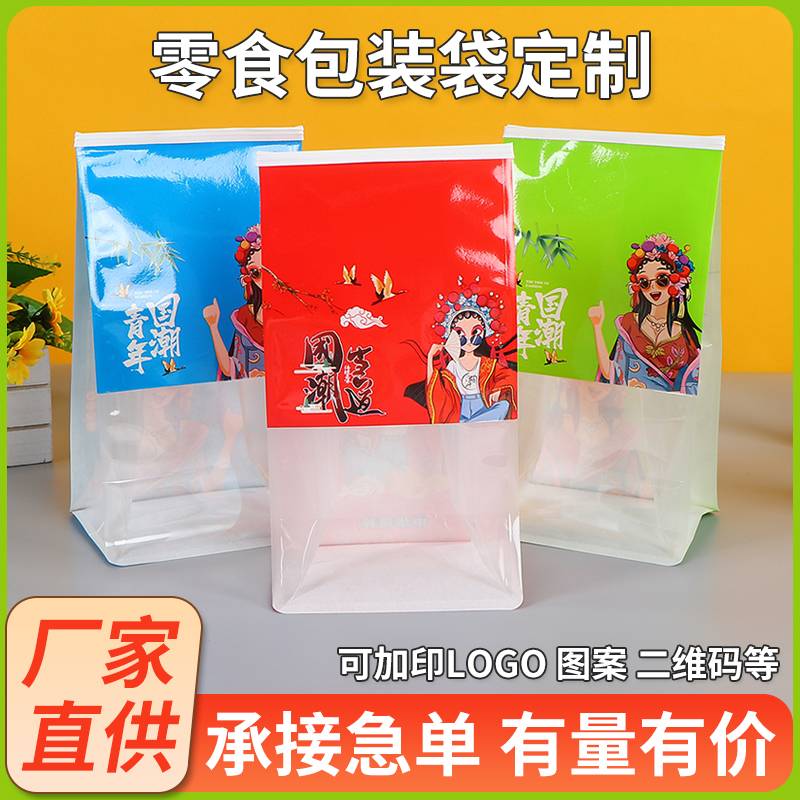
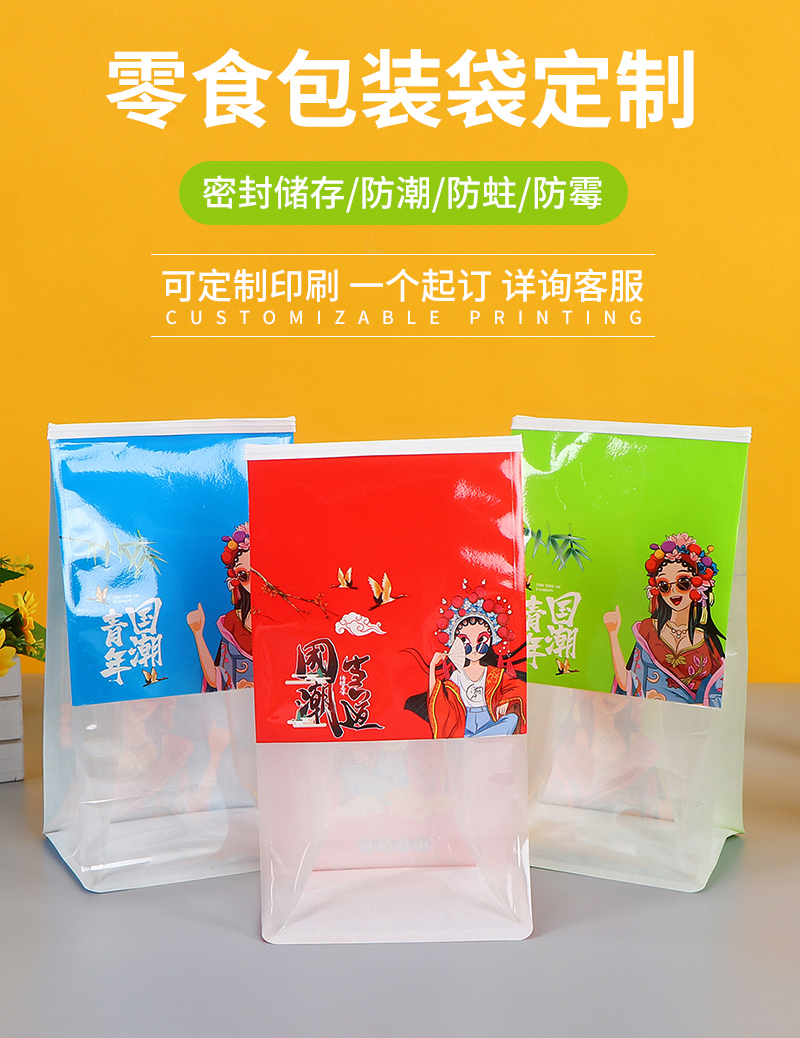
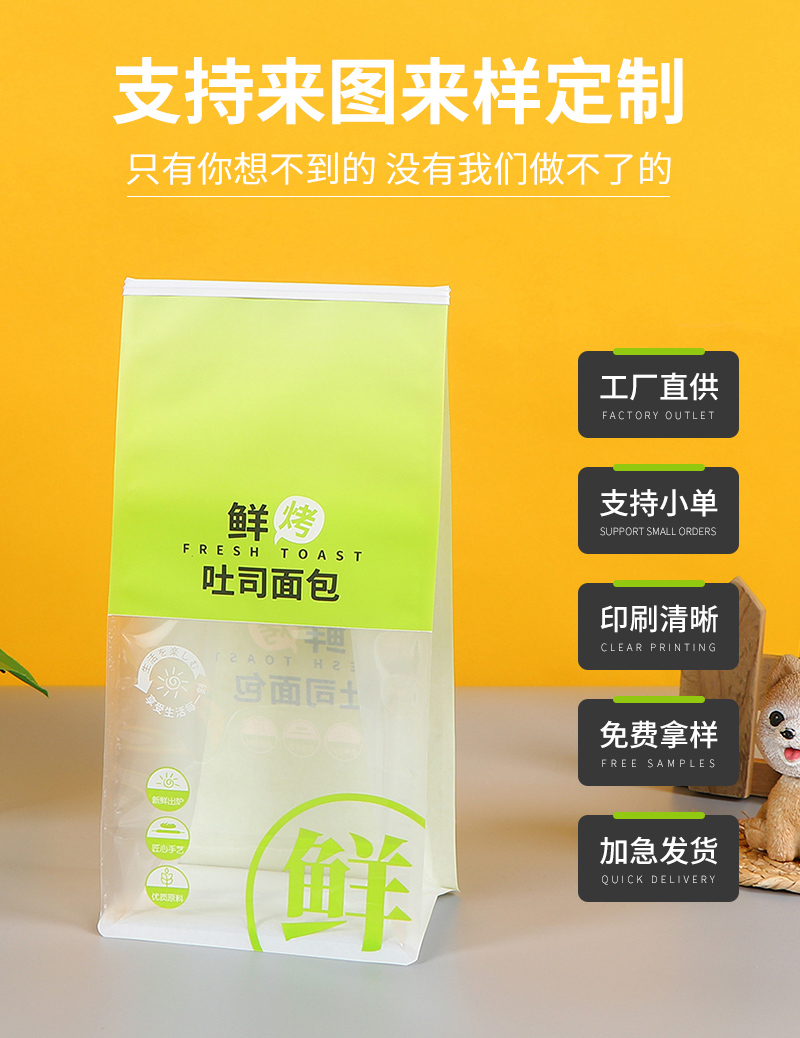
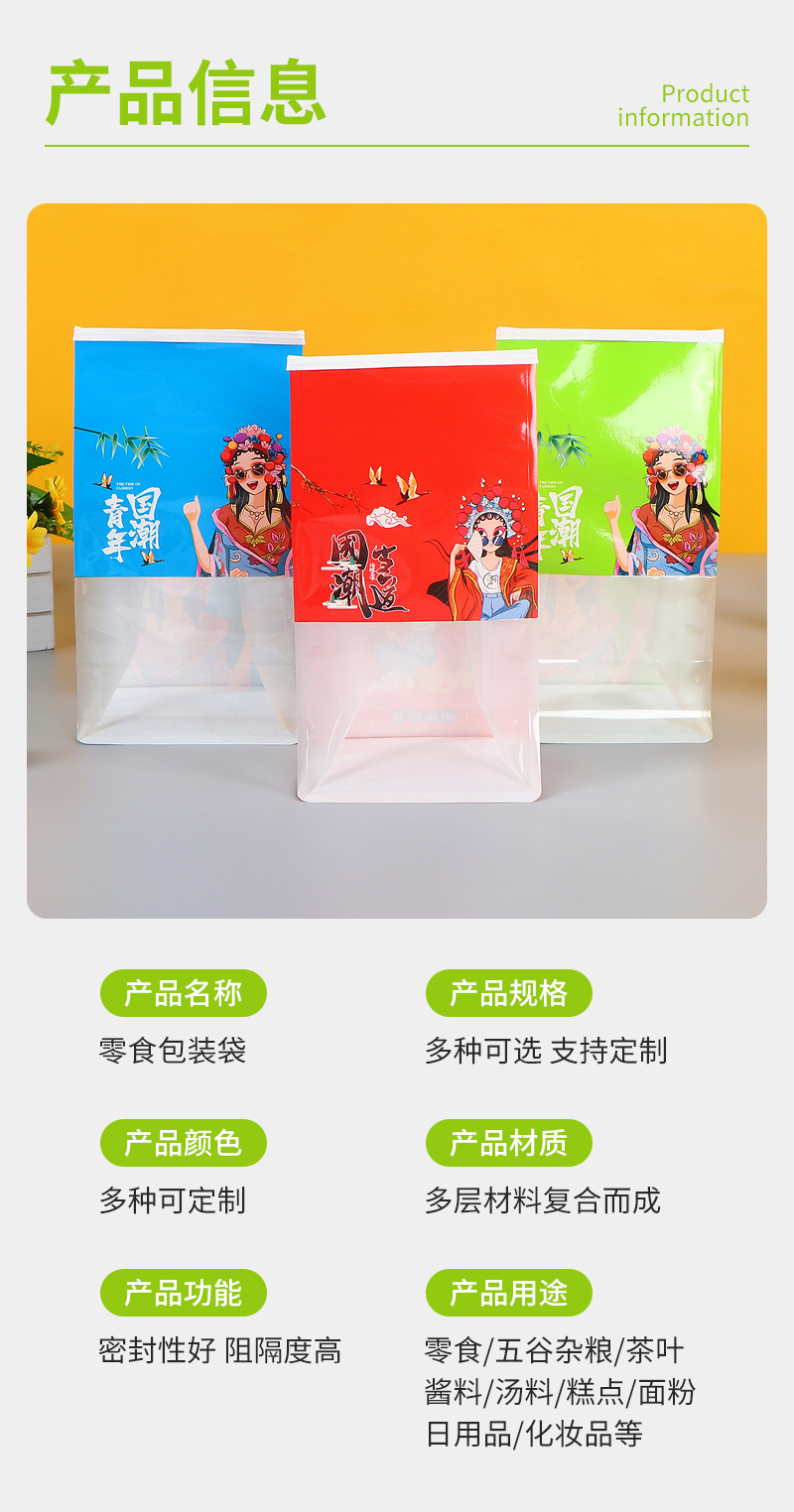
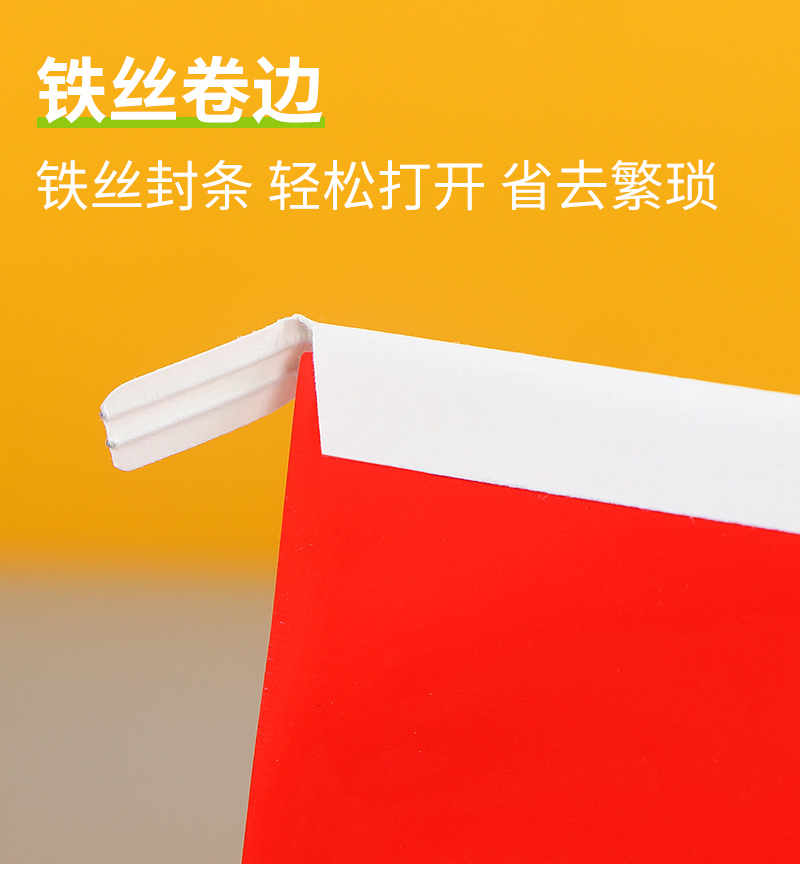
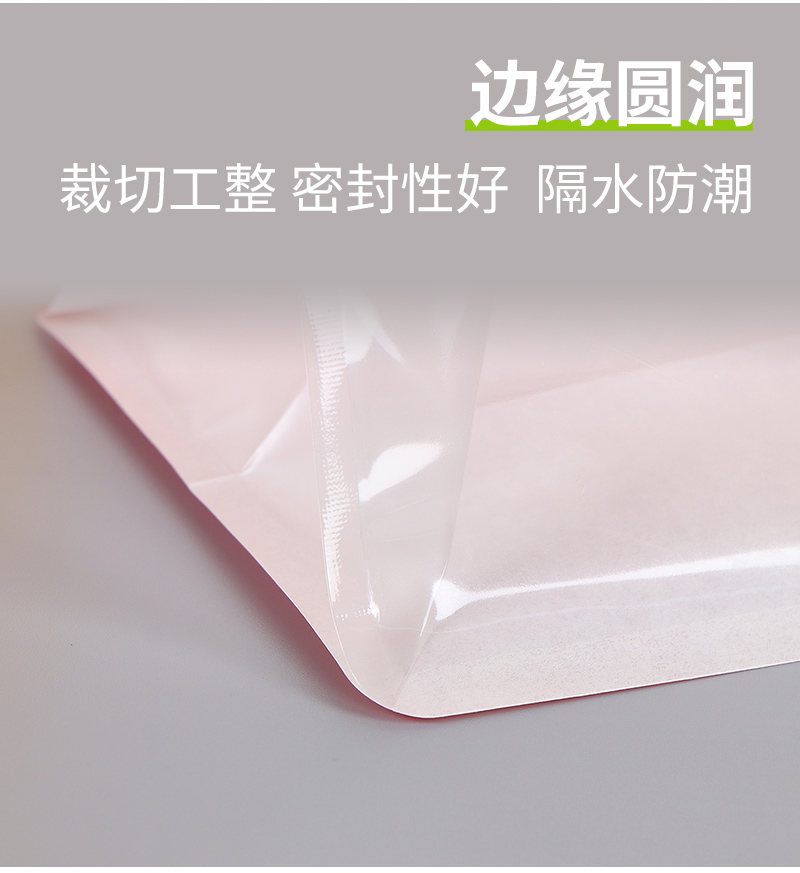
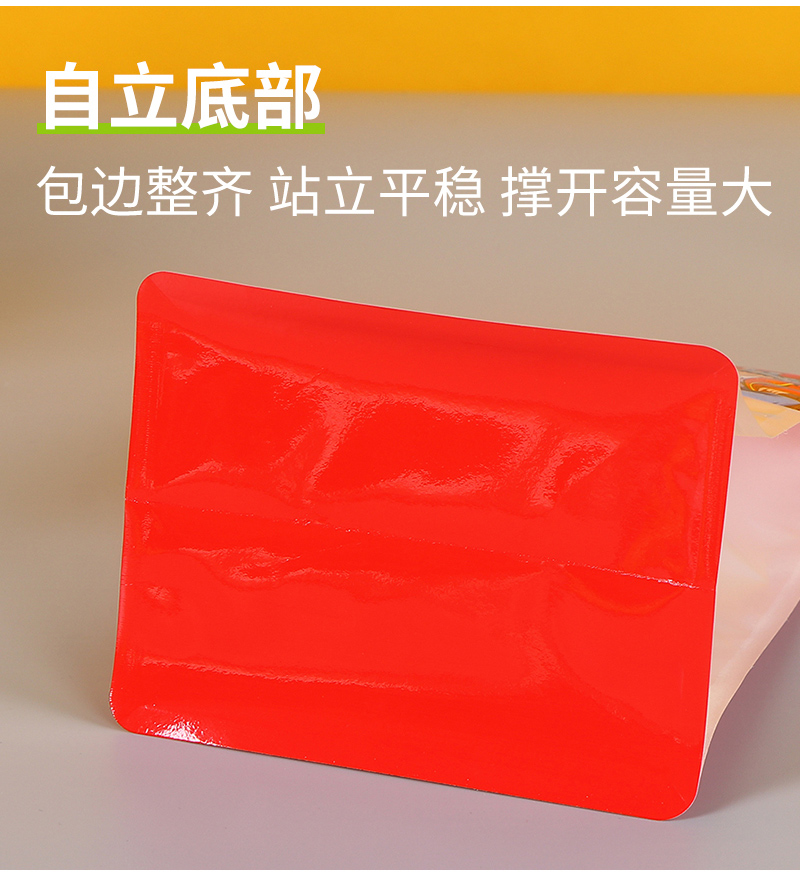
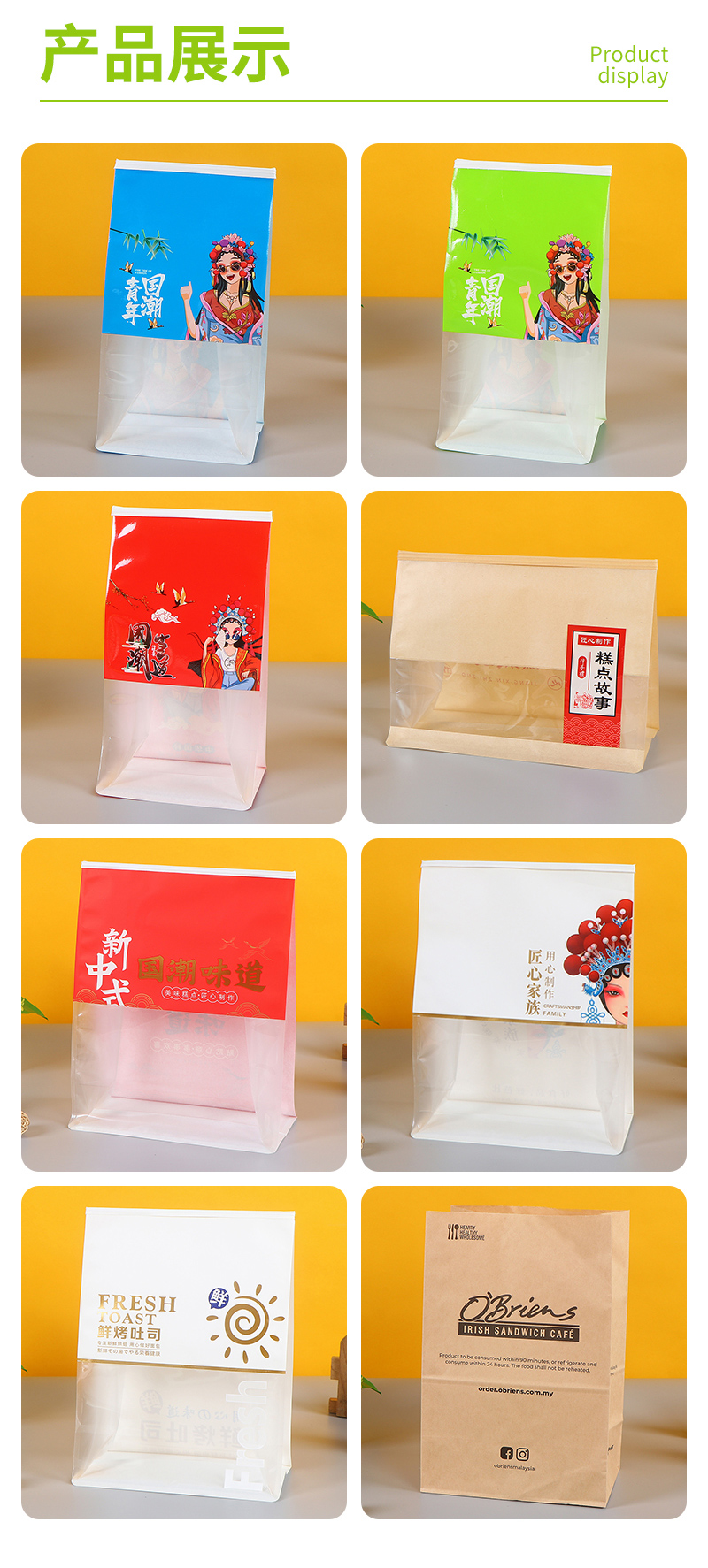
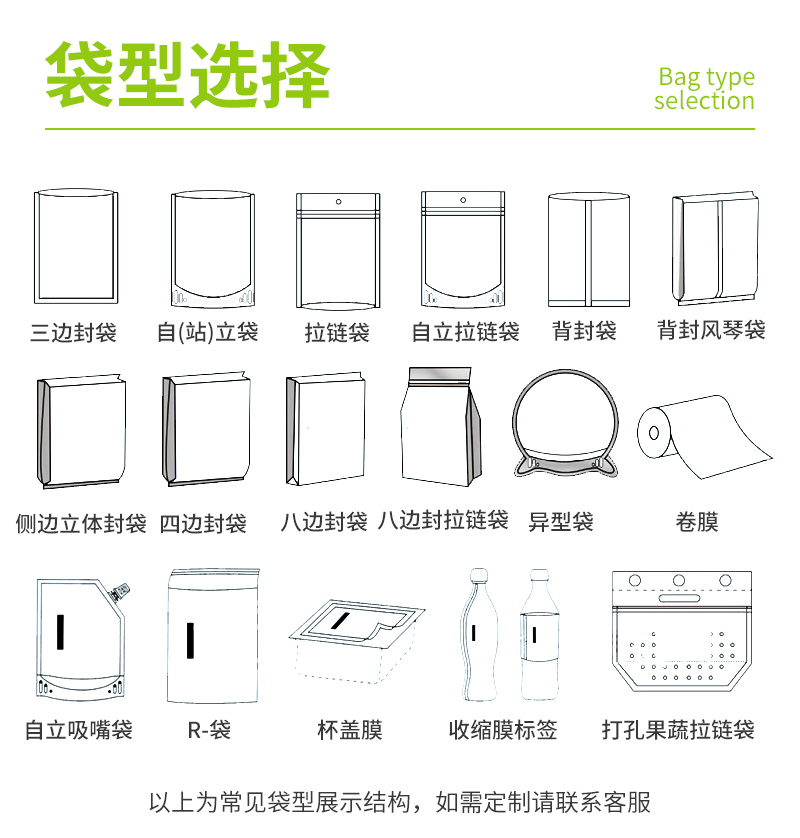
This packaging style is a resealable stand-up pouch with a printed front and a transparent lower section. The shape is built to stand upright on shelves, which makes it suitable for retail display and storage efficiency. The top opening shows a reseal strip, while the edges appear heat-sealed for a neat finished look. Based on the supplied product notes, multiple sizes and custom printing options are available, making the pouch suitable for brands that need packaging aligned with their own artwork and product line.
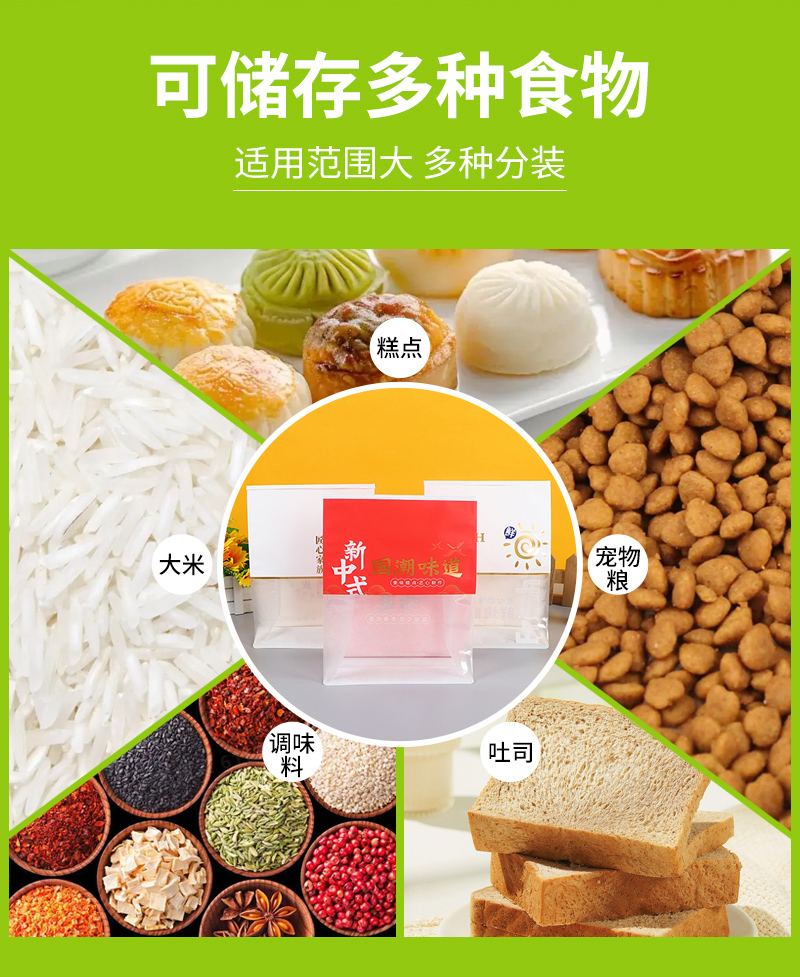
In practical use, this type of snack pouch packaging is commonly selected for snacks, cereals, tea leaves, baked goods, flour, condiments, and other daily-use items. It can also be adapted for non-food products such as cosmetics or small household goods when a branded flexible pack is needed.
Key Capabilities and Structure
The visible structure suggests a multi-layer laminated film pouch with a glossy printed upper panel and a clear lower body. That combination gives the pack two jobs at once: it carries branding on the printed surface and shows part of the contents through the transparent section. The stand-up base supports shelf display, while the resealable top helps with repeated opening and closing.
According to the provided information, the pouch is described as having good sealing and high isolation performance. Those claims come from the supplied notes and should be understood as product-positioning information rather than independently verified test data. Exact barrier values, thickness, and layer composition were not provided.
What buyers usually look for
When sourcing food grade snack pouches, buyers often compare seal integrity, print quality, shelf presentation, size flexibility, and whether the pouch can match the brand's visual style. If the product is going into a retail environment, the package must also stay upright, survive transport, and keep the snack looking fresh enough to encourage purchase.
Materials and Finish Options
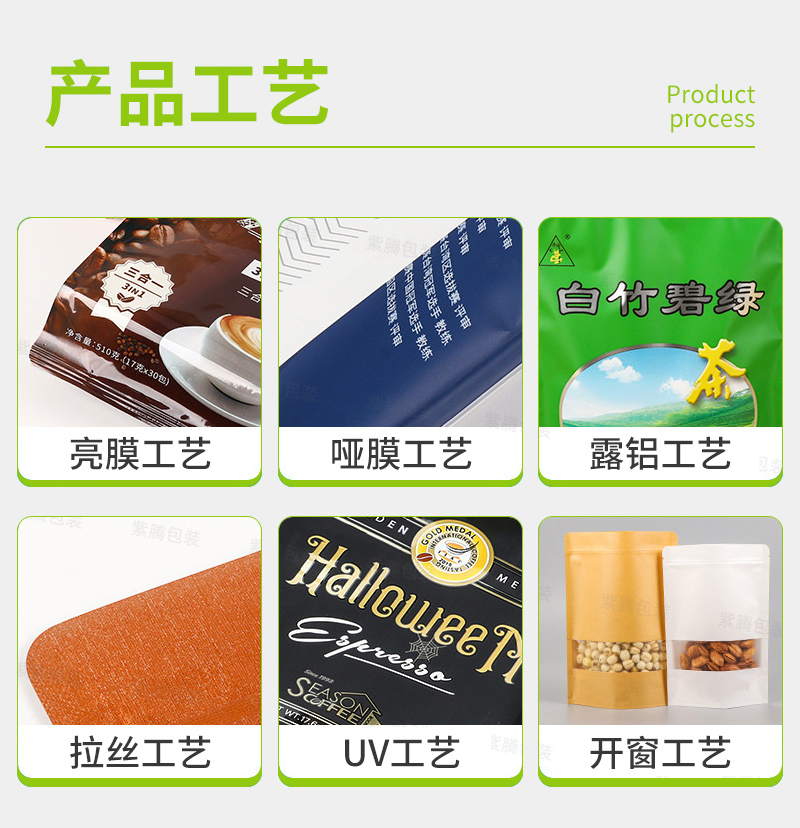
The available information points to a laminated flexible packaging structure rather than a single-layer film. The finish can be glossy, with printed graphics that are visible and sharp. A transparent window or lower section helps shoppers see the product inside, which is especially useful for bakery items and colorful snacks.
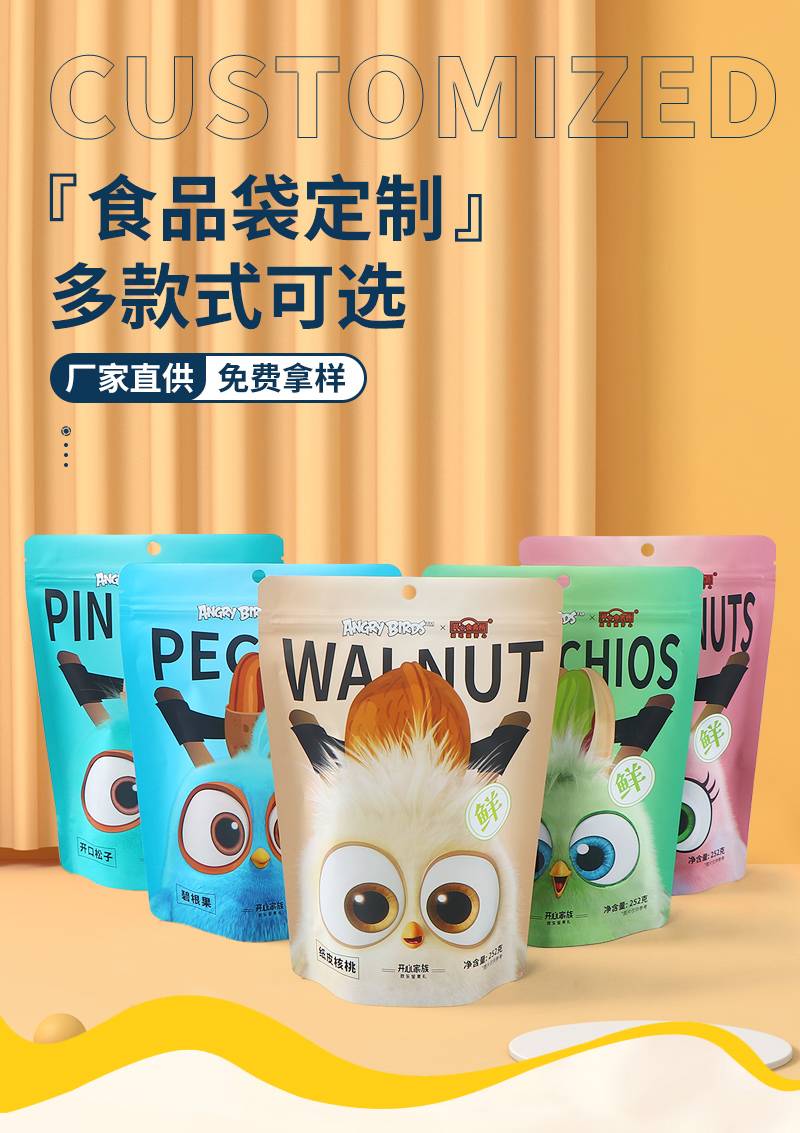
The notes also indicate customization for color and printed graphics. That makes this format useful for seasonal launches, private-label packaging, and brands that want different graphics for different flavors or product families. If a buyer is considering mylar snack pouches, it is important to confirm the exact structure, since the term is often used broadly in the market and may refer to different barrier film builds.
Manufacturing and Conversion Process
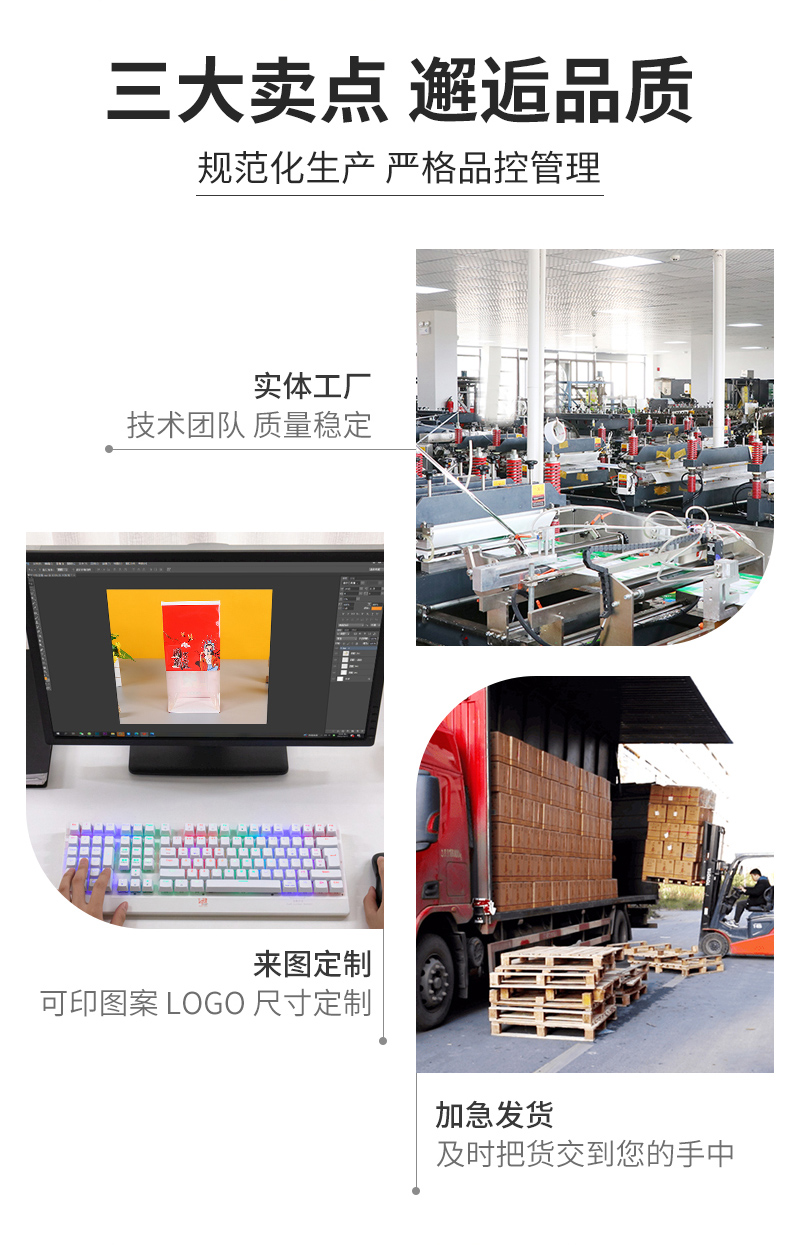
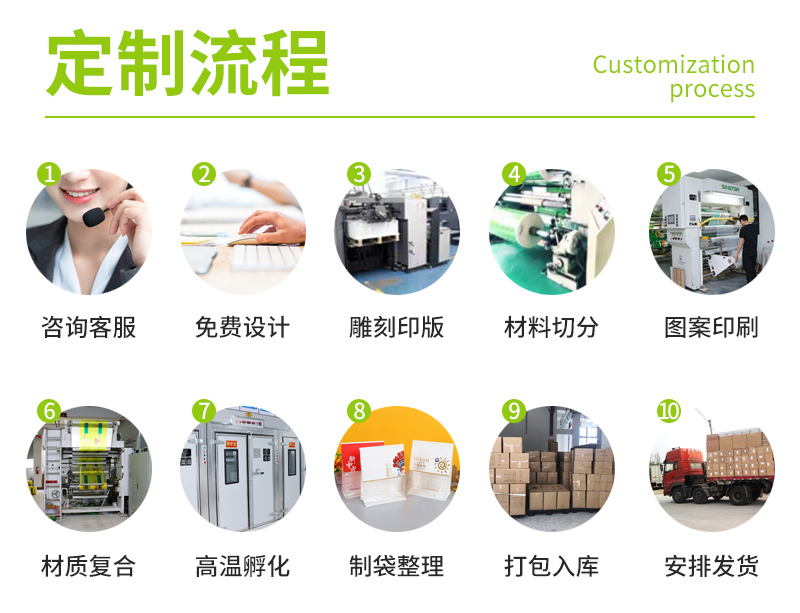
From the supplied description, the pouch appears to be produced through flexible packaging printing and bag conversion. In a typical workflow, the film is printed, laminated if needed, formed into pouch shape, sealed at the edges, and fitted with a reseal closure. The image notes mention factory direct supply, support for small orders, free samples, and expedited delivery, which suggests a packaging supplier focused on custom production runs.
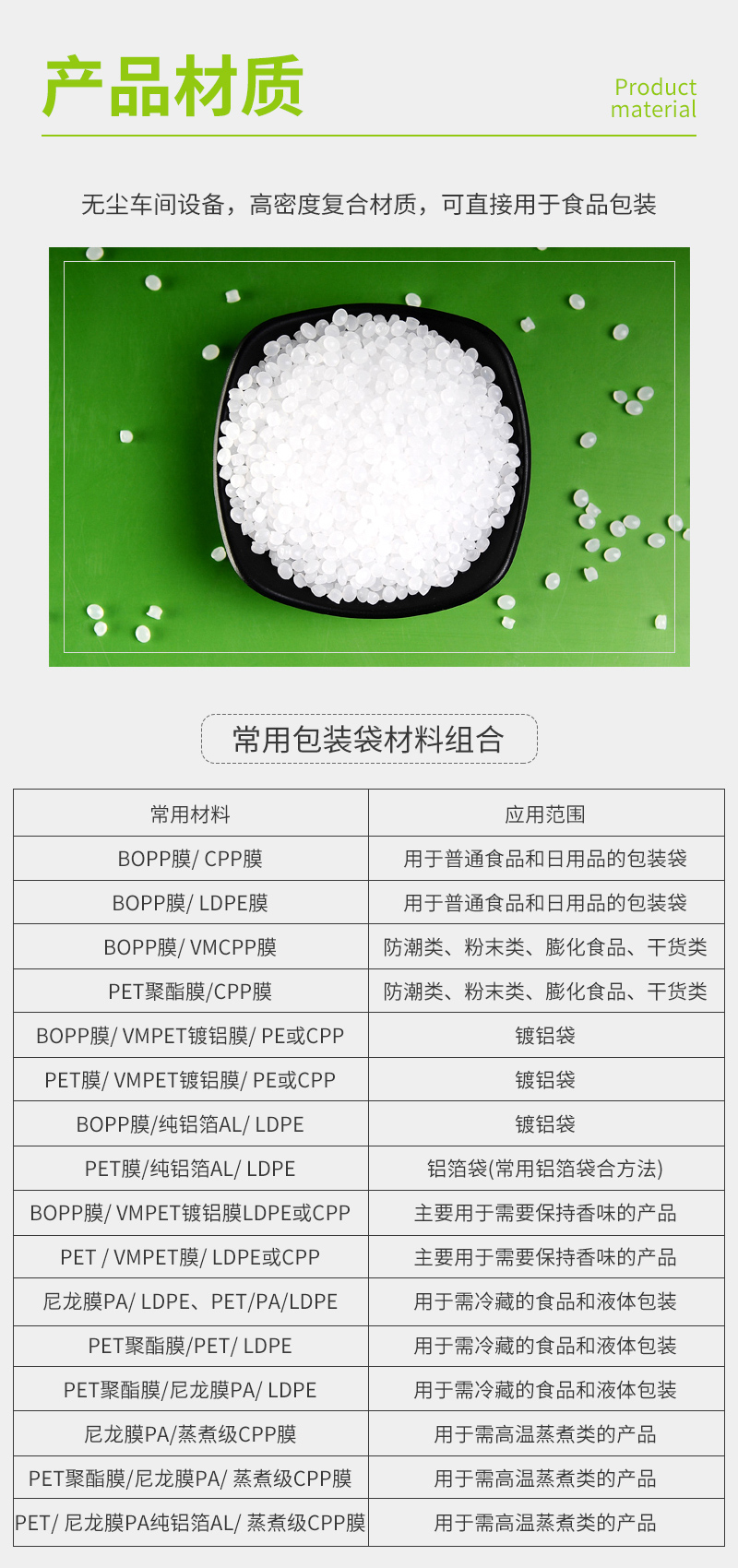
The other material reference in the provided data describes high-density composite packaging materials and common multilayer structures used in food packaging. Those structures can be chosen for different functions such as moisture resistance, aroma retention, chilled-food packaging, or retort-style applications. The exact resin identity and performance values were not supplied, so a buyer should request the full technical sheet before confirming any final application.
Application Scenarios
Custom snack pouches are often used by bakeries packaging toast bread, by snack brands selling nuts or crisps, and by tea or cereal suppliers looking for a neat retail pack. They also work well for powders, bulk goods, and products that benefit from a moisture barrier. In daily-use retail, the same pouch format can support cosmetics, sample kits, and small accessory packs when a clear front and branded print matter.
For fresh-baked products like toast bread, the combination of printed branding and visible product area makes the pouch practical for shelf appeal. For dry foods, the resealable top helps consumers use the product across multiple openings, which can improve convenience and perceived value.
Quality Control and Buyer Decision Factors
Before placing an order, buyers should check several points: pouch dimensions, closure type, film structure, print method, food-contact suitability, and whether the pack is meant for dry goods only or broader use. If the brand is looking for food grade snack pouches, the supplier should confirm the materials and compliance documents directly, rather than relying only on visual appearance.
For more technical sourcing, ask whether the pack is intended for ordinary food packaging, moisture-proof packaging, aroma-retaining packaging, or higher-heat applications. If the product needs freezer storage, hot filling, or retort processing, those requirements must be verified separately. The same is true for recyclability claims and export-market suitability.
Customization Guidance
Customization can cover artwork, color, size, surface finish, and pouch format. If the brand wants stronger shelf impact, a larger printed area or a window-style design may be helpful. If the product relies on freshness cues, a clear section can support consumer trust. For private-label buyers, the best starting point is usually a sample pack and artwork draft so the supplier can confirm print layout, seal placement, and bag proportion.
Because the product notes mention support for custom orders and small batches, this format may suit both new product launches and established brands refreshing their packaging line. The final choice should balance appearance, sealing needs, product protection, and filling efficiency.
Request a Sample or Custom Quote
If you are comparing snack pouch packaging for a bakery, snack brand, or retail food line, share your product type, target pouch size, and artwork needs. A clear brief helps the supplier recommend the right pouch structure and printing format. For projects that need food-safe packaging, always ask for material confirmation and compliance details before production.