

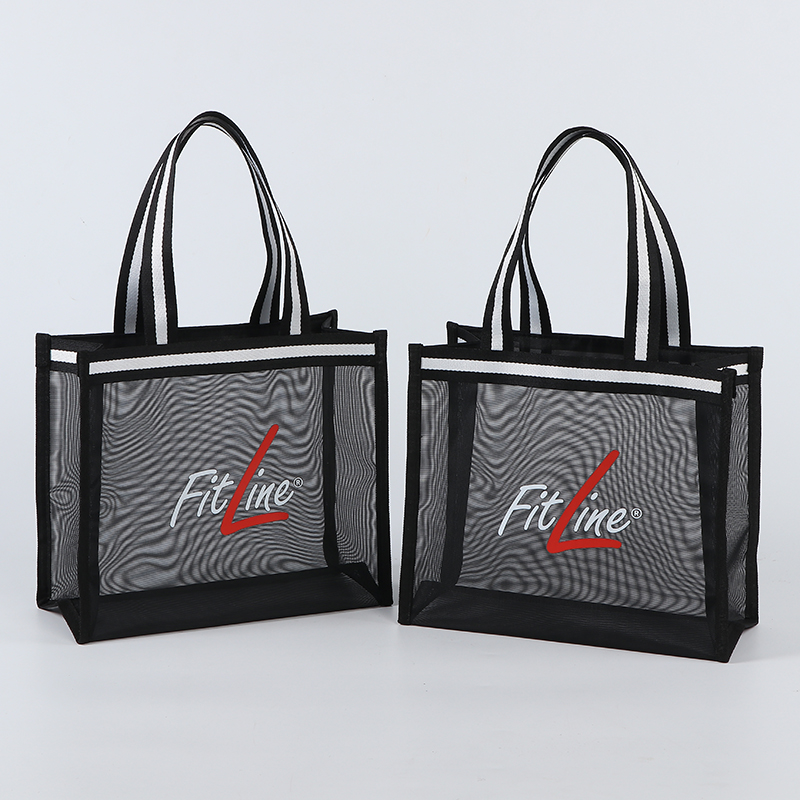
The useful performance of wholesale mesh bags begins with the relationship between mesh opening and the product. PackMK evaluates retention, airflow, visibility, snagging, abrasion, seams and closure as one geometry rather than treating mesh as a single material category.
This engineering approach is relevant to produce, laundry, sports equipment, accessories, organizing and promotional kits. Each parameter below connects a design choice to a physical test and repeat-order record.
PackMK assigns every final decision an owner, approval date and retained reference.
Geometry 1: measure the smallest retained feature
Identify the narrowest product edge, component, cord, cap or accessory that must remain inside. The parameter works with the opening, load, closure and handling route as a system. PackMK evaluates it on a production-equivalent sample instead of relying on a material name alone.
Place representative items against stretched and relaxed mesh and move them through realistic handling. The main failure to prevent is small parts protruding or escaping through the opening. The approved response is stored with the current specification so production and reorders use the same evidence.
Geometry 2: define opening shape under load
Record whether the mesh forms square, diamond, hexagonal or fabric-like openings and how they elongate. The parameter works with the opening, load, closure and handling route as a system. PackMK evaluates it on a production-equivalent sample instead of relying on a material name alone.
Photograph opening dimensions while empty and filled because tension can change retention. The main failure to prevent is an opening that grows beyond the approved product limit. The approved response is stored with the current specification so production and reorders use the same evidence.
Geometry 3: balance airflow and protection
State whether ventilation supports drying, freshness, odor control or visibility and how much surface exposure is acceptable. The parameter works with the opening, load, closure and handling route as a system. PackMK evaluates it on a production-equivalent sample instead of relying on a material name alone.
Run the bag in the actual storage or transport environment and inspect product condition. The main failure to prevent is airflow gained at the cost of dust, snagging or surface damage. The approved response is stored with the current specification so production and reorders use the same evidence.
Geometry 4: choose yarn and filament behavior
Specify fiber type, yarn construction, thickness, texture, color and any coating according to load and hand feel. The parameter works with the opening, load, closure and handling route as a system. PackMK evaluates it on a production-equivalent sample instead of relying on a material name alone.
Compare labeled swatches and finished samples for stretch, recovery and abrasion against the product. The main failure to prevent is a generic mesh name hiding different yarn performance. The approved response is stored with the current specification so production and reorders use the same evidence.
Geometry 5: control stretch direction
Map which direction extends during loading and carrying and how that changes finished dimensions. The parameter works with the opening, load, closure and handling route as a system. PackMK evaluates it on a production-equivalent sample instead of relying on a material name alone.
Measure a filled sample after cycles and after unloading to evaluate recovery. The main failure to prevent is permanent elongation that changes closure or product fit. The approved response is stored with the current specification so production and reorders use the same evidence.
Geometry 6: engineer the seam allowance
Define seam type, allowance, thread, binding and edge treatment so cut mesh cannot unravel or pull out. The parameter works with the opening, load, closure and handling route as a system. PackMK evaluates it on a production-equivalent sample instead of relying on a material name alone.
Inspect internal construction before and after repeated load cycles at corners and closure points. The main failure to prevent is mesh escaping from the seam while stitching remains intact. The approved response is stored with the current specification so production and reorders use the same evidence.
Geometry 7: reinforce the load path
Trace weight from the product through the base, side seams, handles or drawcord channel. The parameter works with the opening, load, closure and handling route as a system. PackMK evaluates it on a production-equivalent sample instead of relying on a material name alone.
Add reinforcement only where the approved sample shows concentrated stress and document its dimensions. The main failure to prevent is decorative reinforcement that misses the actual failure location. The approved response is stored with the current specification so production and reorders use the same evidence.
Geometry 8: size the bag in its filled state
Measure the arranged contents and account for mesh stretch without relying on flat outside dimensions alone. The parameter works with the opening, load, closure and handling route as a system. PackMK evaluates it on a production-equivalent sample instead of relying on a material name alone.
Load the smallest and largest intended product set and check shape, access and closure. The main failure to prevent is an empty bag dimension that does not predict usable volume. The approved response is stored with the current specification so production and reorders use the same evidence.
Geometry 9: design the opening for loading
Set mouth width, channel, zipper or closure position around the product's loading route and operator access. The parameter works with the opening, load, closure and handling route as a system. PackMK evaluates it on a production-equivalent sample instead of relying on a material name alone.
Time repeated loading and removal with gloves or wet items if relevant. The main failure to prevent is a retained product that cannot be packed efficiently. The approved response is stored with the current specification so production and reorders use the same evidence.
Geometry 10: test drawcord channel friction
Specify cord material, diameter, ends, channel width and closure travel for drawstring formats. The parameter works with the opening, load, closure and handling route as a system. PackMK evaluates it on a production-equivalent sample instead of relying on a material name alone.
Repeat opening and closing under load and inspect heat, wear, knots and channel distortion. The main failure to prevent is cords that bind, fray or pull through the channel. The approved response is stored with the current specification so production and reorders use the same evidence.
Geometry 11: assess zipper compatibility
For zip mesh bags, choose tape, teeth or coil, slider and stitching that can move with the flexible body. The parameter works with the opening, load, closure and handling route as a system. PackMK evaluates it on a production-equivalent sample instead of relying on a material name alone.
Cycle the zipper with off-center contents and inspect seam tension around both ends. The main failure to prevent is closure failure caused by body distortion rather than the zipper alone. The approved response is stored with the current specification so production and reorders use the same evidence.
Geometry 12: examine product abrasion
Identify polished, painted, printed, soft or food-contact surfaces that may rub against mesh texture. The parameter works with the opening, load, closure and handling route as a system. PackMK evaluates it on a production-equivalent sample instead of relying on a material name alone.
Simulate movement and inspect both bag and product under expected load and duration. The main failure to prevent is ventilation packaging that visibly damages the contents. The approved response is stored with the current specification so production and reorders use the same evidence.
Geometry 13: test snagging in the environment
List hooks, shelving, vehicle interiors, sports hardware or neighboring packages that can catch openings. The parameter works with the opening, load, closure and handling route as a system. PackMK evaluates it on a production-equivalent sample instead of relying on a material name alone.
Move filled bags through a representative route and record snag locations. The main failure to prevent is local yarn pulls that grow into structural damage. The approved response is stored with the current specification so production and reorders use the same evidence.
Geometry 14: approve print or branding zones
Use solid panels, labels, woven tags or printing methods compatible with mesh openness and movement. The parameter works with the opening, load, closure and handling route as a system. PackMK evaluates it on a production-equivalent sample instead of relying on a material name alone.
Review visibility, attachment and abrasion on a filled bag at normal distance. The main failure to prevent is branding that distorts, detaches or blocks required airflow. The approved response is stored with the current specification so production and reorders use the same evidence.
Geometry 15: define a loaded cycle test
State contents, maximum load, distance, lifting, set-down, closure cycles and acceptance points before testing. The parameter works with the opening, load, closure and handling route as a system. PackMK evaluates it on a production-equivalent sample instead of relying on a material name alone.
Inspect opening, yarn, seams, reinforcement, closure and product condition at defined intervals. The main failure to prevent is subjective strength approval without a repeatable method. The approved response is stored with the current specification so production and reorders use the same evidence.
Geometry 16: inspect bulk function
Check material, opening, dimensions, stretch, seams, closures, loaded behavior, quantity and packing across cartons. The parameter works with the opening, load, closure and handling route as a system. PackMK evaluates it on a production-equivalent sample instead of relying on a material name alone.
Use retained references and load representative units from different production periods. The main failure to prevent is bulk variation hidden by selected appearance samples. The approved response is stored with the current specification so production and reorders use the same evidence.
Geometry 17: approve carton compression
Define folding, inner bundles, pieces per carton, moisture protection and allowable compression. The parameter works with the opening, load, closure and handling route as a system. PackMK evaluates it on a production-equivalent sample instead of relying on a material name alone.
Unpack after representative storage and inspect recovery, closures, creases and tangled cords. The main failure to prevent is dense packing that permanently deforms the mesh geometry. The approved response is stored with the current specification so production and reorders use the same evidence.
Geometry 18: preserve repeat parameters
Retain material reference, opening measurement, pattern, seam, closure, loaded test, inspection and carton data. The parameter works with the opening, load, closure and handling route as a system. PackMK evaluates it on a production-equivalent sample instead of relying on a material name alone.
Record authorized changes by size, color and artwork version with MOQ effects. The main failure to prevent is a reorder that shares the name mesh bag but not approved behavior. The approved response is stored with the current specification so production and reorders use the same evidence.
Match opening geometry to product behavior
| Product feature | Mesh concern | Test |
|---|---|---|
| Small components | Escape | Retention movement |
| Wet contents | Airflow | Drying route |
| Polished surface | Abrasion | Movement simulation |
| Hardware | Snagging | Route trial |
| Heavy set | Stretch | Loaded cycles |
Diagnose mesh bag failures by location
| Failure location | Likely variable | Corrective review |
|---|---|---|
| Opening | Geometry or stretch | Product retention |
| Side seam | Allowance or thread | Construction |
| Base | Load concentration | Pattern and reinforcement |
| Channel | Cord friction | Closure setup |
| Surface | Texture | Product compatibility |
Use material and process references carefully
Textile resources and quality principles support the engineering conversation, while the product-specific retention and loaded tests control acceptance. Review the Textile Exchange materials resources and ISO quality management principles for process and sourcing context. Project acceptance still depends on the actual product, order and destination.
Specify wholesale mesh bags by geometry
For wholesale mesh bags, record mesh opening, yarn construction, product retention, airflow, abrasion risk, seam reinforcement, drawcord channel, loaded cycle, quality inspection, carton compression. The controlled file also identifies PackMK, ISO, Textile Exchange, mesh, polyester, nylon, MOQ, carton. These terms turn a broad search phrase into a specification that suppliers can quote and inspectors can verify.
Engineer wholesale mesh bags with PackMK
PackMK can develop wholesale mesh bags from the initial brief through samples, production, quality checks and export packing. Send PackMK the product, intended use, artwork, quantity, variants, destination and required date to request a structured quotation for wholesale mesh bags.
- Explore PackMK mesh and fabric bag formats
- Review PackMK bag engineering support
- Request a wholesale mesh bag quotation
Wholesale mesh bag engineering questions
What details are needed to quote wholesale mesh bags?
Provide product dimensions and smallest retained feature, load, mesh preference, bag size, seams, closure, branding, quantity, packing, destination and expected use.
How is mesh opening selected?
Compare opening size and stretch with the smallest product feature, desired airflow, visibility, abrasion and snagging risks under realistic handling.
Does mesh stretch change bag size?
Yes. Stretch direction and load can change usable dimensions, shape and opening geometry, so fit should be approved in the filled state.
How should mesh seams be constructed?
Define seam type, allowance, thread, binding and reinforcement so cut mesh remains captured during repeated loading and movement.
How is a mesh drawstring tested?
Repeat opening, closing, carrying and set-down cycles with realistic contents, then inspect cord, channel, ends, seams and product retention.
Can logos be printed directly on mesh?
Options depend on mesh openness, texture and movement; solid panels, tags or labels may provide more controlled visibility for some designs.
How should product abrasion be tested?
Move representative contents inside a loaded production-equivalent bag for the expected route, then inspect both mesh and product surfaces.
What should a loaded mesh bag test include?
Define contents, load, distance, lifting, set-down and closure cycles, then inspect openings, yarn, seams, reinforcement, closure and product condition.
How are mesh bags inspected?
Inspect material, opening geometry, dimensions, stretch, seams, closures, branding, loaded function, quantity, inner packing and cartons.
What protects repeat mesh bag production?
Keep material and opening references, pattern, seam and closure specifications, sample, loaded test, inspection criteria, variants and carton plan.