

When packaging has to do more than hold a product

Tailor-made packaging is rarely just a wrapper. In manufacturing and retail, it has to protect the product, support the brand, survive handling, and still make sense on a buyer’s budget. That is true whether you are shipping a tarot deck to a niche gift shop or moving hot meals in an insulated thermal bag for delivery. The packaging decision often sits at the intersection of merchandising, logistics, and customer experience, which is why it deserves more attention than it usually gets.
For sourcing teams, the main question is simple: what kind of package will fit the product, the use case, and the sales channel without creating avoidable problems later? A good custom solution can reduce damage, improve shelf appeal, and make the product easier to sell. A weak one can add cost without adding value, which is a common mistake when buyers focus on appearance alone.
Two very different products, one shared packaging logic
The provided product data points to two packaging-heavy categories. One is a tarot card deck, shown as a full set with illustrated faces and patterned backs. The other is a box-style insulated thermal bag with zipper closure and carry handles. They serve different markets, but both rely on packaging that is shaped around use.
For the tarot deck, the packaging challenge is about presentation, grip, and protection. The image notes a mesh-like surface treatment on the cards, with a surface described as easy to grip, easy to wash, and not easy to slip or scratch the hand. That suggests a tactile finish that may help during repeated handling. For a practitioner, collector, or gift buyer, that kind of detail matters. Cards are touched constantly, shuffled, transported, and displayed. If the deck feels flimsy or the box wears too quickly, the product loses value fast.
The insulated bag solves a different problem. It is meant to keep food or drinks warm or cool during transport, and the visible structure is a rectangular box shape with a flat lid, zipper closure, and webbing handles. The image text mentions factory direct supply, small-batch customization, logo printing, multiple specifications, and in-stock fast shipping. Those are the kinds of features buyers look for when they need promotional packaging or a practical transport container that can also carry a brand mark.
Quick buyer takeaway: what to compare first
Before approving tailor-made packaging, compare four things: product fit, handling durability, visual impact, and supply flexibility.
For the tarot deck, product fit includes card size, tuck-box style, insert protection, and how the deck feels in the hand. For the thermal bag, fit means internal volume, closure style, carrying method, and whether the exterior finish can stand up to daily wipe-downs.
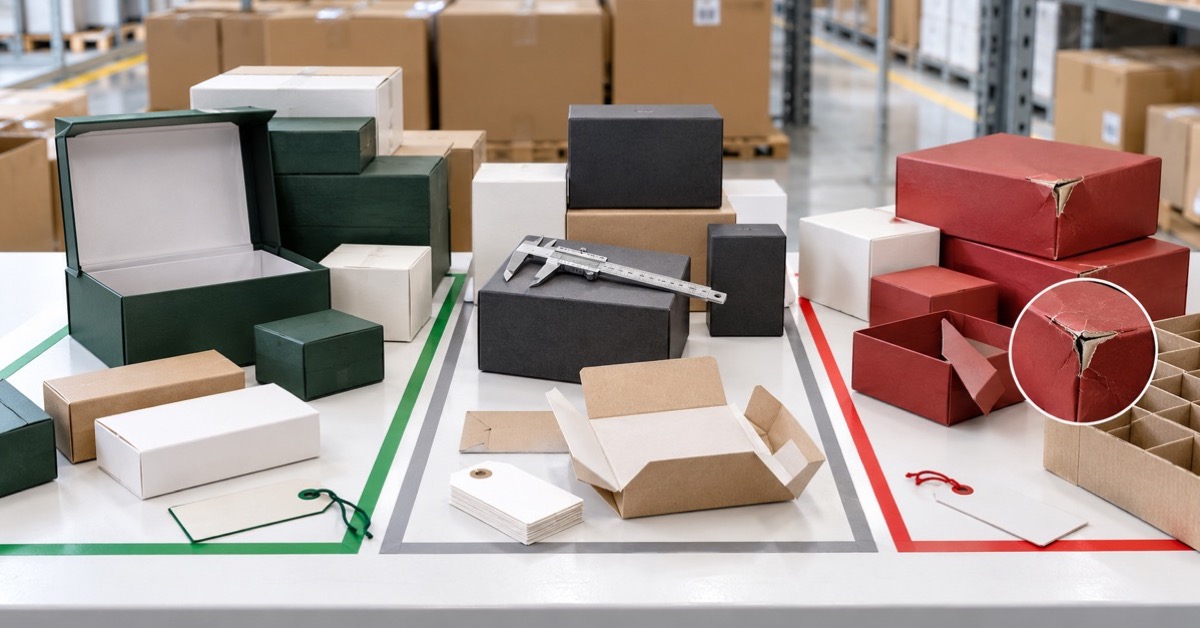
Durability is not always obvious in a sample room. A beautiful box that crushes easily is a liability. A bag with nice branding but weak seams can create complaints very quickly. Buyers should ask where the failure point is likely to appear: edges, closures, printed surfaces, corners, or handles.
Where tailor-made boxes and custom box packaging add value
Tailor-made boxes and custom box packaging are most useful when the product has a clear identity or a sensitive physical form. A tarot deck is compact, square-ish, and visually expressive, so the box can reinforce the theme and make the set feel complete. Gift buyers notice this immediately. So do retailers trying to create a more premium shelf presence.
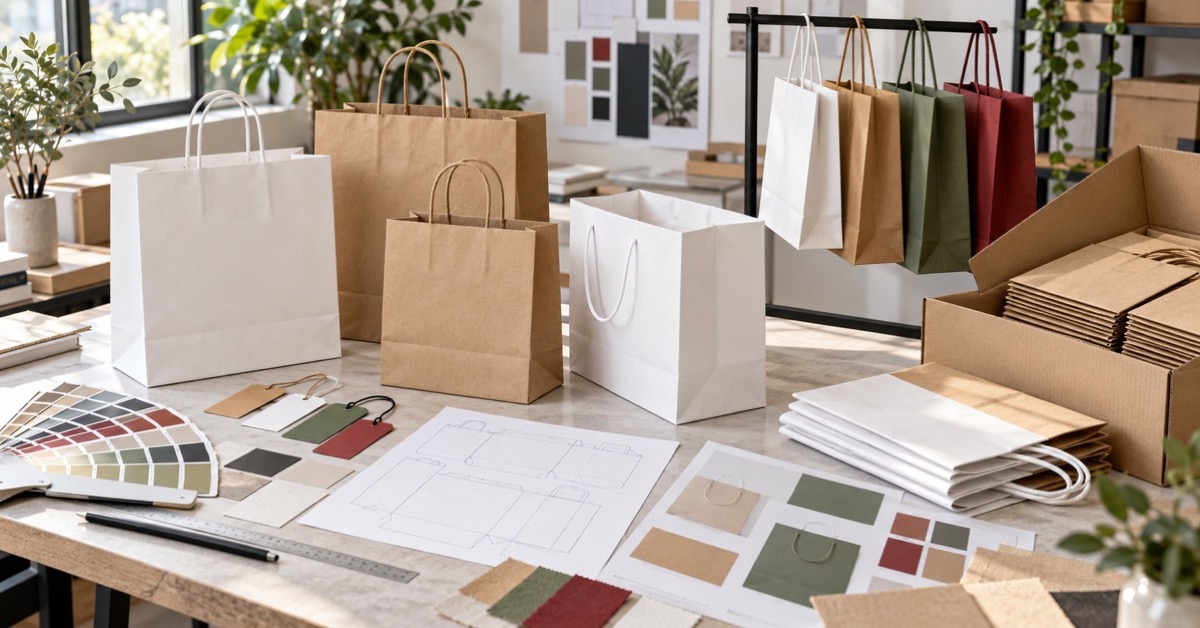
Bespoke gift packaging is often justified when the package itself helps tell the story. That does not mean it has to be ornate. Sometimes a restrained design, a textured finish, or a well-proportioned box does more than heavy decoration. In fact, overdesigned packaging can be a problem if it increases cost, slows packing, or frustrates the end user.
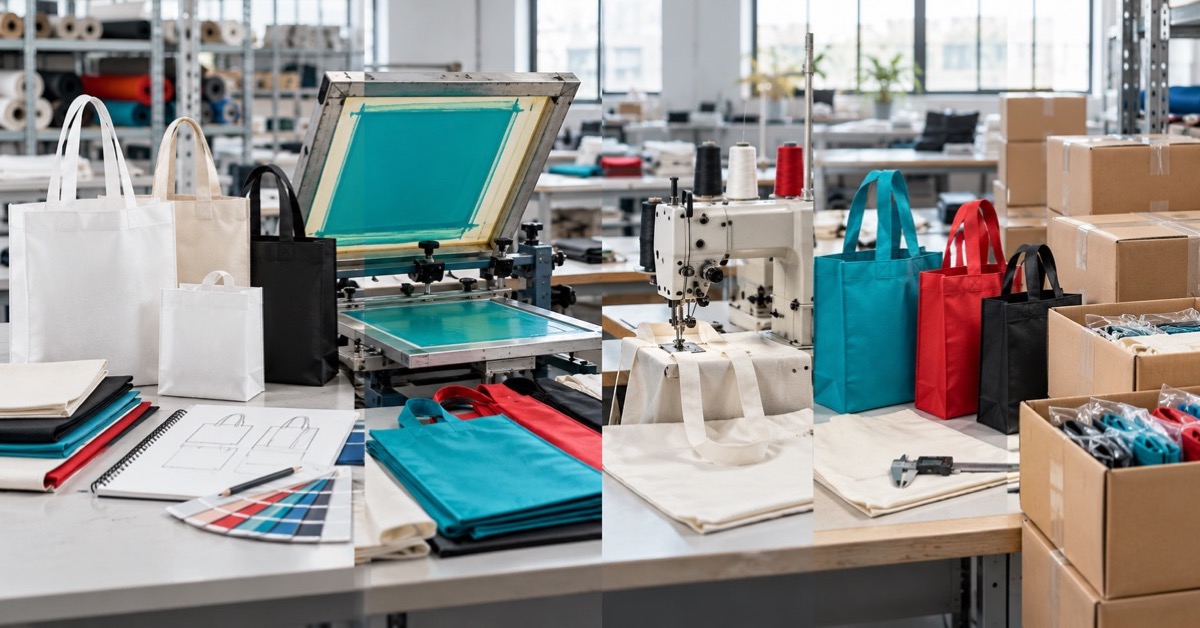
For insulated bags, the value is more operational. A custom-made shape can align better with food containers, bottles, bakery boxes, or takeaway trays. Logo printing also turns a working transport item into a visible brand touchpoint. That matters for catering firms, delivery operators, and promotional campaigns where every handoff is part of the customer experience.
Common mistakes buyers make
The most common mistake is treating packaging as a final step instead of a product requirement. By the time the product is finished, changing the package may be expensive or awkward.
Another mistake is assuming the most attractive option is the best one. A box that looks premium but does not protect the contents is a short-lived win. The same applies to a bag that looks polished but is hard to carry or awkward to clean.
There is also a tendency to overcommit on customization. Buyers sometimes ask for too many features at once: special finishes, complex inserts, large logo areas, and multiple sizes. That can work, but it can also create unnecessary complexity. Simpler packaging is often easier to source, test, and replenish.
Practical questions to ask a supplier
Ask what parts of the package are fixed and what parts can be changed. For the tarot deck, clarify the card finish, the box style, and whether the deck is intended more for reading, collecting, or gifting. For the thermal bag, confirm size options, print methods, handle construction, and whether the bag is meant for hot food, cold storage, or general thermal use.
It also helps to ask about sample availability and batch flexibility. The image text for the thermal bag suggests small-batch customization and in-stock fast shipping, which may be useful for buyers with tighter launch schedules. Still, it is worth checking how quickly a custom run can be repeated, because replenishment matters as much as the first order.
A small but useful caution
Do not let “custom” become a vague promise. In packaging, that word can cover everything from a simple printed logo to a fully reworked structure. The right brief should name the item, the purpose, the handling conditions, and the buyer’s real priority. A good supplier can work from that. A loose brief usually creates revisions.
What to do next
If you are evaluating tailor-made packaging for a card product, a gift item, or a thermal transport bag, start with the use case rather than the artwork. Decide what must be protected, what should be shown, and how the package will be handled in the real world. Then compare the supplier’s structure, finish, and customization options against those needs.
That approach saves time, and it usually produces packaging that feels less generic. More importantly, it gives sourcing and product teams a clearer basis for approval before the order is locked in.