

Why tailor-made packaging matters more than it first appears
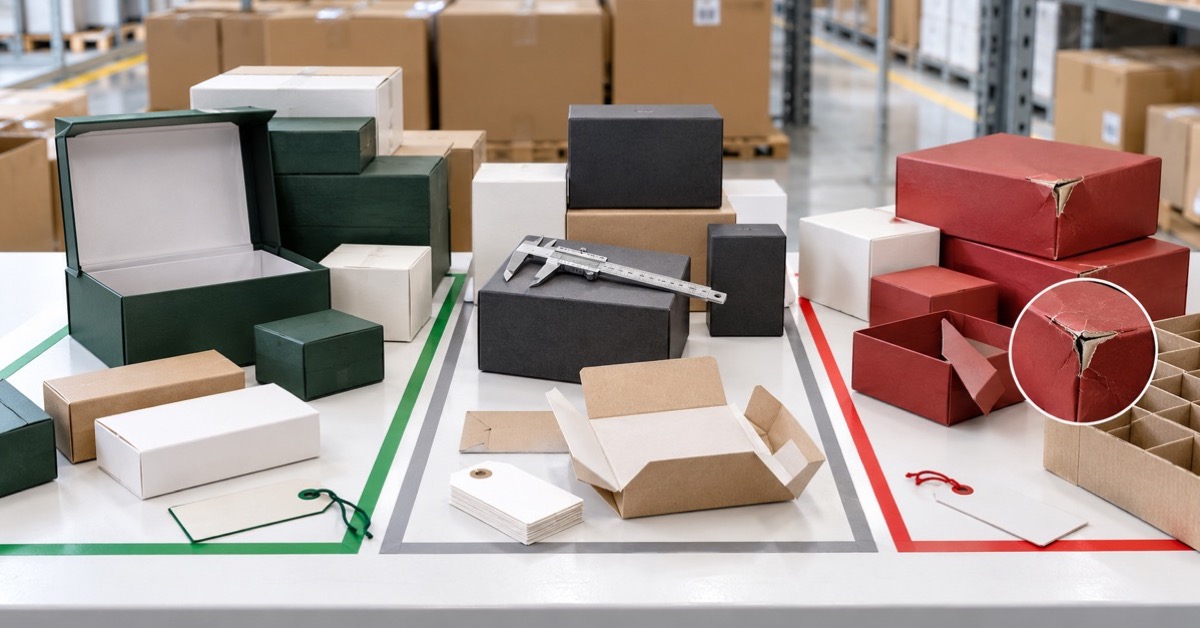
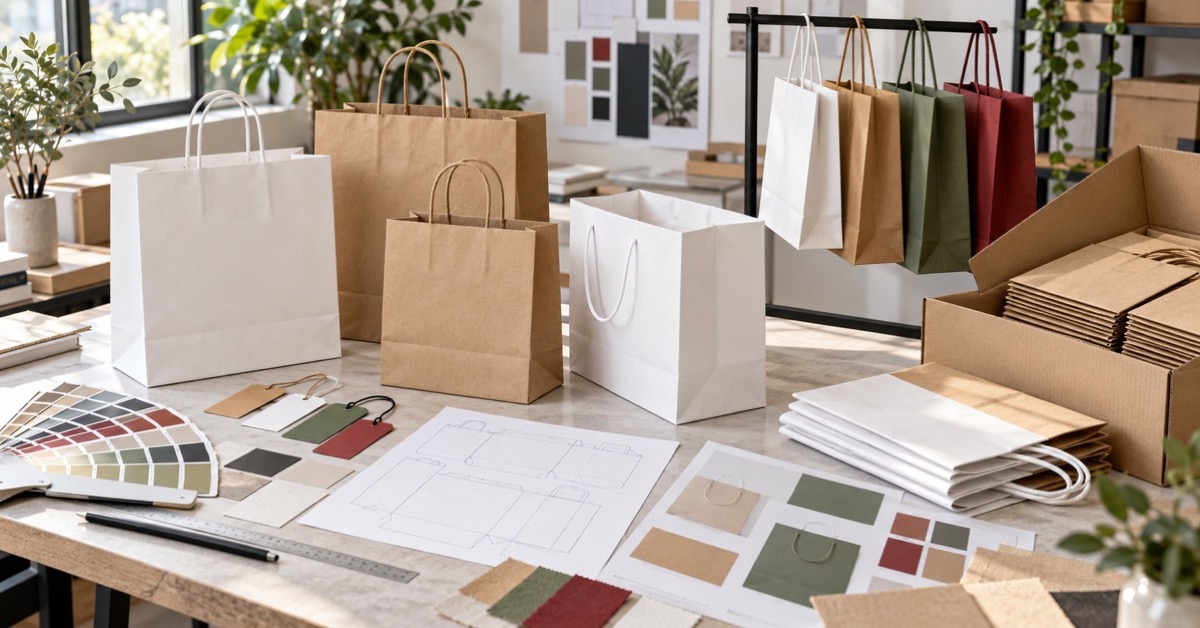
For many buyers, tailor-made packaging starts as a branding request and ends up being a logistics decision. That is especially true when the product is fragile, giftable, visually themed, or sold through retail channels where the first impression carries real weight. A tarot deck with a matching box and reading cloth, for example, needs more than a generic carton. It needs a package that supports the ritual, protects the cards, and looks coherent on a shelf or in a product photo. The same logic applies to an insulated thermal tote for cakes: if the bag is hard to carry, awkward to open, or visually off-brand, it becomes a weak link in the customer experience.

That is why sourcing teams increasingly treat packaging as part of the product, not just a container. The right format can reduce damage, improve presentation, and make retail handling easier. The wrong one can create returns, complaints, or a messy unboxing moment that undermines the value of the item inside.
Two examples of tailor-made packaging with very different jobs
These two product types show how packaging decisions change with use case. One is a tarot-style card set packaged with a storage box and cloth mat. The other is a custom cake insulation bag made for transport and temperature control. They sit in different markets, but both rely on custom presentation, practical structure, and recognizable branding.
Tarot deck packaging: part storage, part stage set
The tarot set shown here uses a printed card deck with rounded corners, a matching paperboard box, and a black reading cloth or mat with zodiac-style graphics. Visually, that combination does a lot of work. It tells the buyer the set is not just a stack of cards; it is a complete reading setup. The deck itself appears to use a brown or kraft-style printed surface with a textured, easy-to-grip finish. The image text suggests a smooth, non-sticky surface that is easy to wash, though exact coatings and materials are not confirmed.
For this kind of product, custom box packaging matters because the box becomes part of the brand language. A flimsy folding carton may still hold the deck, but it will not support collector appeal or repeat use. Buyers in occult shops, gift retail, and content creation want packaging that photographs well and opens cleanly. In practice, that usually means careful control of print quality, die-cut accuracy, and box closure behavior.
Insulated cake bag packaging: utility first, branding still important
The insulated thermal tote is a different kind of custom job. The visible structure is a rectangular soft container with a zipper closure, dual handles, reinforced seams, and metallic-looking trim. It is described as a custom cake insulation bag, with logo printing and multiple sizes available. That makes it useful for bakeries, catering teams, food delivery operations, and event transport.
Here, the buyer is not only asking whether the bag looks professional. They are asking whether it will hold shape, carry cleanly, and protect temperature-sensitive goods during transit. The internal insulation is not visible, so no one should assume a specific thermal performance without testing. Still, from a sourcing standpoint, the important issue is obvious: a bag that looks premium but fails in handling is worse than a plain one that works reliably.
What buyers should compare before placing a custom order
When evaluating tailor-made boxes or a custom bag, the real comparison is not just appearance. It is the balance of function, production method, and reorder consistency. A useful quick checklist looks like this:
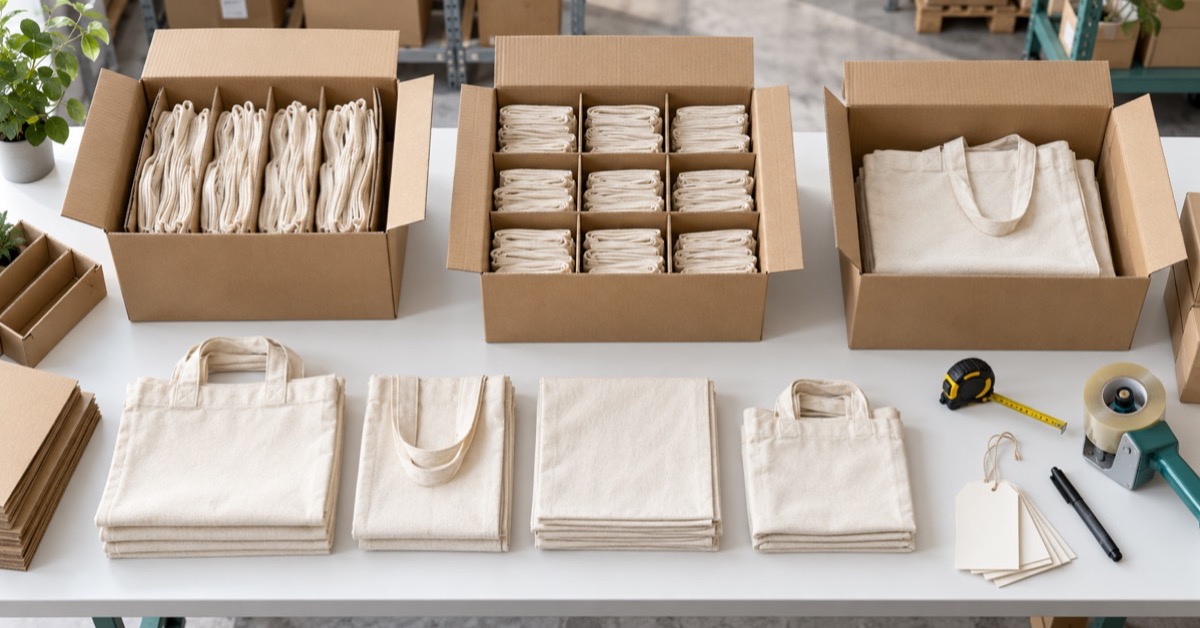
For printed card sets, ask about surface finish, corner durability, print alignment, and whether the box can survive repeated opening. For soft insulated carriers, ask about zipper quality, seam reinforcement, handle stitching, and whether the construction stays stable when loaded.
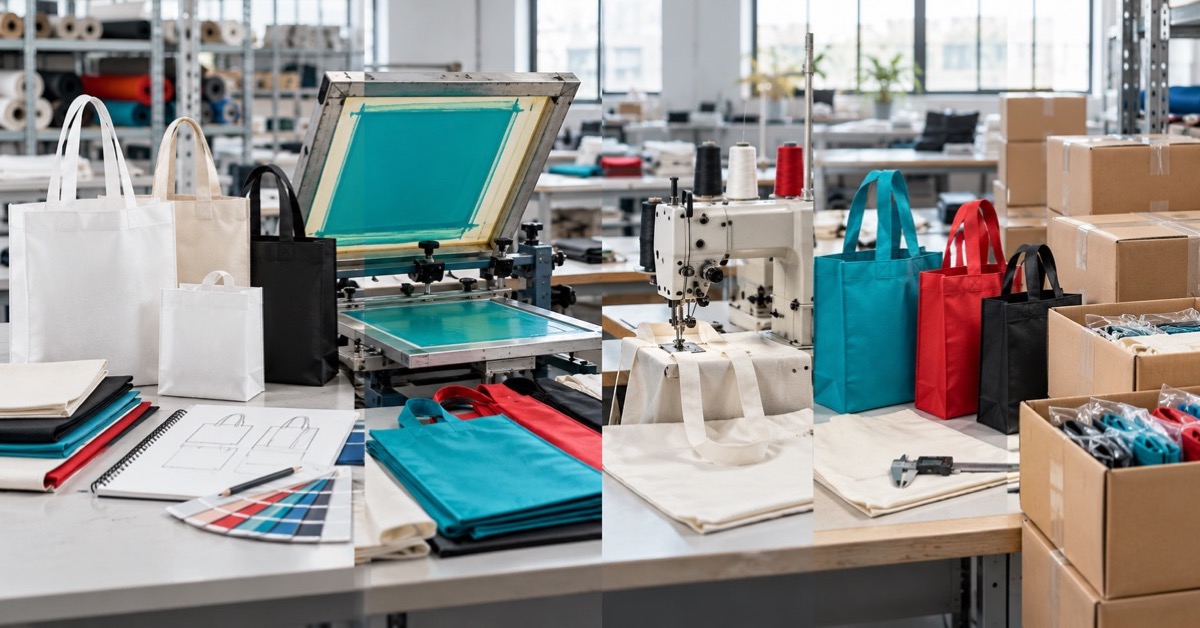
For both, the buyer should also confirm how artwork will be applied. Offset printing, digital printing, screen print, and heat transfer each leave different visual results and different risks. Fine detail on tarot-style graphics may behave differently than a bold logo on a thermal tote. That is where many first-time buyers make a costly assumption.
Common mistakes in custom packaging sourcing
One common mistake is specifying the appearance before the use case. A beautiful box that collapses in shipping is not a packaging solution. Another is treating branding and protection as separate topics. They are usually tied together.
For tarot products, buyers sometimes focus on the deck art and forget the practical use of the cloth and box as part of the set. For insulated food carriers, they may approve a nice exterior and only later discover the bag is awkward to clean or harder to stack than expected. Neither problem is unusual, and both are avoidable if the sample review is disciplined.
There is also the issue of terminology. Terms like bespoke gift packaging, tailor-made boxes, and custom box packaging may sound similar, but they can imply very different structures and production steps. A rigid presentation box, a folding carton, and a soft insulated tote are not interchangeable products. Buyers should make sure suppliers are quoting the same construction.
Practical buyer advice
If the product is meant for retail display, photography, or gifting, ask whether the packaging will hold up after repeated handling. If it is for transport, ask how the structure behaves under load and whether the closure is easy to use with one hand. If the item is meant to feel spiritual, premium, or collectible, pay attention to tactile details: surface texture, print sharpness, and the way the package opens.
For any custom run, it is wise to request a prototype or pre-production sample before committing to full quantity. That is not just caution; it is standard buying discipline. Small design flaws are much easier to catch in a sample than in a finished shipment.
What these packaging types have in common
Although a tarot set and an insulated cake bag serve different industries, both show how tailor-made packaging supports the product story. One sells atmosphere and ritual. The other sells practicality and transport confidence. In both cases, the packaging is doing more than enclosing the item. It is shaping how the buyer understands value.
If you are sourcing similar products, start with the end use, then work backward into structure, material, print method, and handling. That sequence usually saves time, and it prevents expensive redesigns later.
Next step for sourcing teams
Before requesting quotes, define the product’s real job: display, storage, shipping, gifting, or transport. Then specify the visual cues, the required structure, and any customization such as logo printing or coordinated accessories. Clear briefs lead to cleaner samples, and cleaner samples lead to fewer surprises when production begins.