

Why tailor-made packaging matters when the product has to do more than “just hold”
For many buyers, tailor-made packaging is no longer a decorative extra. It is part of the product experience, the protection strategy, and sometimes the selling argument itself. That is especially true in categories where the package has to carry brand identity, protect a delicate item, and survive real use rather than sit on a shelf. Two examples that show this clearly are printed card decks and insulated food carriers: one needs presentation and tactile appeal, the other needs practical performance and clean handling.
If you are sourcing for a tarot deck, an oracle-style card set, or a custom cake carrier, the real decision is not whether to “add packaging.” The decision is which structure, surface, and customization method fit the product, the channel, and the customer’s expectations. Choose badly and you get returns, damaged goods, or a package that looks premium online but feels awkward in hand. Choose well and the box or bag becomes part of the product value.

Two product types, one buying question: what should the packaging do?
The supplied product data covers two distinct categories. The first is a printed card set, shown as a fan spread with a Queen of Swords card on top. The cards appear to be rectangular with rounded corners, matte or low-gloss, and described as having a mesh-like surface treatment that is easy to grip and easy to clean. That kind of finish matters for readers, collectors, and gift buyers because the deck must feel usable, not slippery or fragile.
The second is a custom insulated lunch bag or thermal storage bag, with a white body, gold trim, zipper closure, and top handles. The listing language suggests cake insulation bag customization, which points straight at bakeries, catering teams, and food delivery use. Here the package is not merely branding. It is a working tool that has to support transport, help retain temperature for short trips, and present well at the point of sale.
Quick reference: what buyers usually care about
For card decks and gift sets
Buyers usually look at card finish, box structure, printing quality, and whether the deck feels comfortable to shuffle and handle. If the packaging is meant as bespoke gift packaging, the outer carton has to carry the mood of the set. A flimsy box can make even good artwork feel cheap.
For insulated food bags
Buyers look at size range, closure style, carry comfort, wipe-clean surfaces, and customization options such as logo printing. The supplied data also mentions factory direct supply, small-batch customization, ready stock, and fast shipping. Those are practical commercial points, though in procurement you still want to confirm the actual build before placing a large order.
Where tailor-made boxes and bags differ in production logic
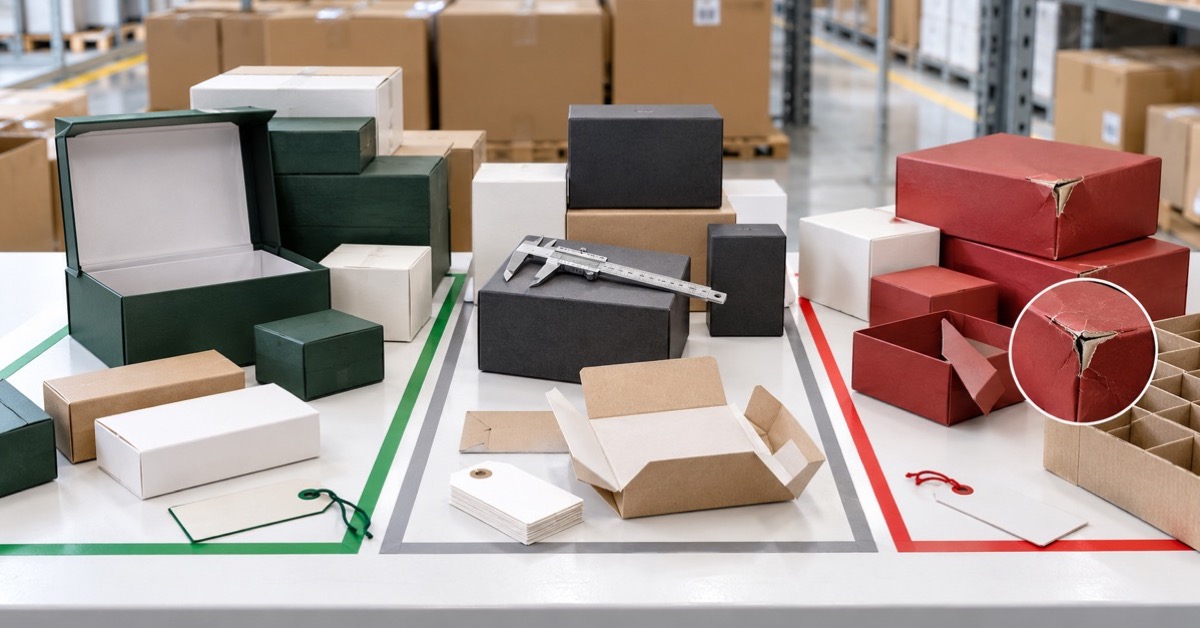
Tailor-made boxes for printed decks are usually about precision and presentation. The box should protect the edges of the cards, hold its shape, and support the artwork without adding unnecessary bulk. A textured or matte finish can be useful because it reduces glare and gives the package a more tactile, collectible feel. That matters in spiritual and gift markets, where buyers often judge the item before they ever open it.
By contrast, a thermal bag lives or dies by structure. The soft cooler format shown in the supplied data uses a rectangular box shape, straight side walls, a flat base, and a zippered top. Gold binding and twin handles improve usability, but they also signal a more polished retail presentation. For cake shops and catering buyers, the important question is whether the bag can keep its shape in use and whether the seams and zipper can tolerate repeated handling.
Selection criteria that save money later
Start with the job the package must perform. If it is a card deck, ask whether the main priority is retail appeal, collectability, or daily handling. If it is a food bag, ask whether it will be used for short deliveries, customer pickup, or light catering runs. Those are not the same brief, and they should not be specified the same way.
Then look at surface behavior. The card deck data describes a finish that is smooth but not sticky, with a grip-friendly texture. That kind of detail can matter more than a glossy claim on a brochure. For the insulated bag, the smooth wipeable-looking exterior is useful because food packaging gets handled with greasy hands, wet counters, and hurried loading. A pretty bag that stains easily is a problem waiting to happen.
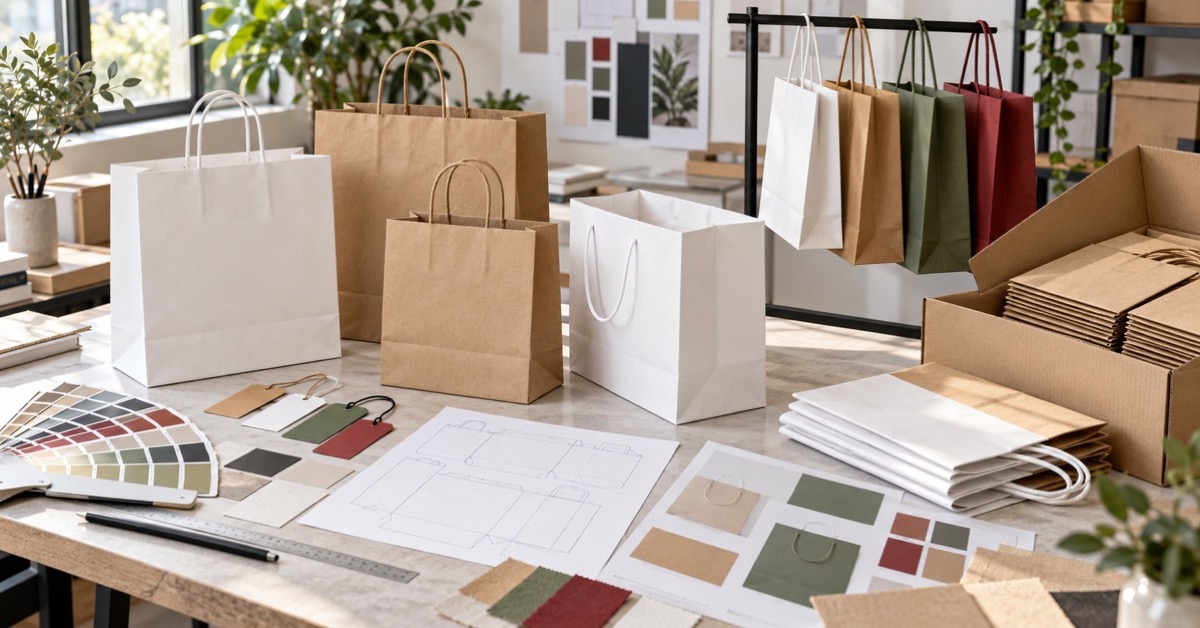
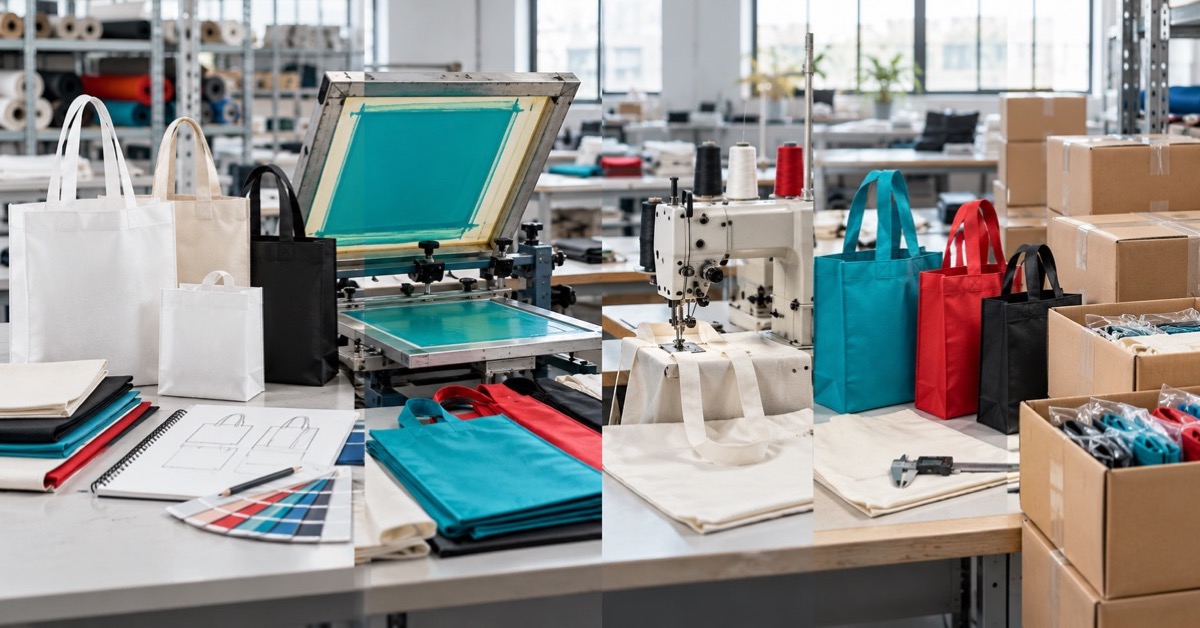
Size variation also matters. The thermal bag is shown in three sizes, which is often more useful than forcing one “standard” format across all orders. In custom packaging, a range of sizes helps buyers match real product dimensions instead of padding everything out with filler or forcing products into a box that is too tight.
Common mistakes buyers make
The first mistake is over-specifying visuals and under-specifying function. A deck box with good artwork still needs the right internal fit. A cake bag with attractive gold trim still needs to carry properly. The second mistake is assuming all “custom” products are equally flexible. Small-batch customization may be available, but every added feature can affect cost, production complexity, or consistency.
A more subtle mistake is ignoring the handling experience. If a card surface is too slick, it becomes annoying in use. If a food bag looks premium but the zipper or handles feel weak, staff will stop trusting it. Packaging is judged in motion, not in a product photo.
Practical buyer advice before you request a quote
Ask for the exact structure, even if the supplier only shows a sample image. For card packaging, clarify whether the deck box is rigid, foldable, sleeve-style, or tuck-end. For the insulated bag, ask about the inner lining, reinforcement, and how logos are printed. The supplied information does not verify exact material build, so it is better to request a sample or a detailed spec sheet than to assume.
If your order is gift-oriented, custom box packaging should balance display value with shipping protection. If your order is food-service oriented, the package should prioritize handling, wipe-clean surfaces, and repeat use. Those are different priorities, and a supplier who understands both will usually ask better questions before manufacturing starts.
FAQ for sourcing teams
Can tailor-made packaging work for both retail and practical use?
Yes, but the design brief has to be clear. Retail packaging wants shelf impact. Practical packaging wants durability and easy handling. The best solutions usually do one job well and borrow a little from the other.
Is a textured finish always better for card decks?
Not always. Texture can improve grip and reduce glare, but too much texture may affect print appearance or stacking. It depends on the intended user and the visual style of the deck.
What should cake shops ask about insulated bags?
They should ask about size, zipper quality, carry comfort, logo printing, and whether the bag is suitable for the actual box dimensions used in-house. If the bag is too snug or too loose, it becomes inconvenient very quickly.
What a good next step looks like
If you are comparing tailor-made packaging options, do not stop at the mockup. Match the structure to the product, the finish to the user experience, and the customization level to the sales channel. For card decks, that may mean a tactile box that supports the artwork and protects the cards. For food transport, it may mean a clean, well-structured insulated bag with practical handles and clear branding space.
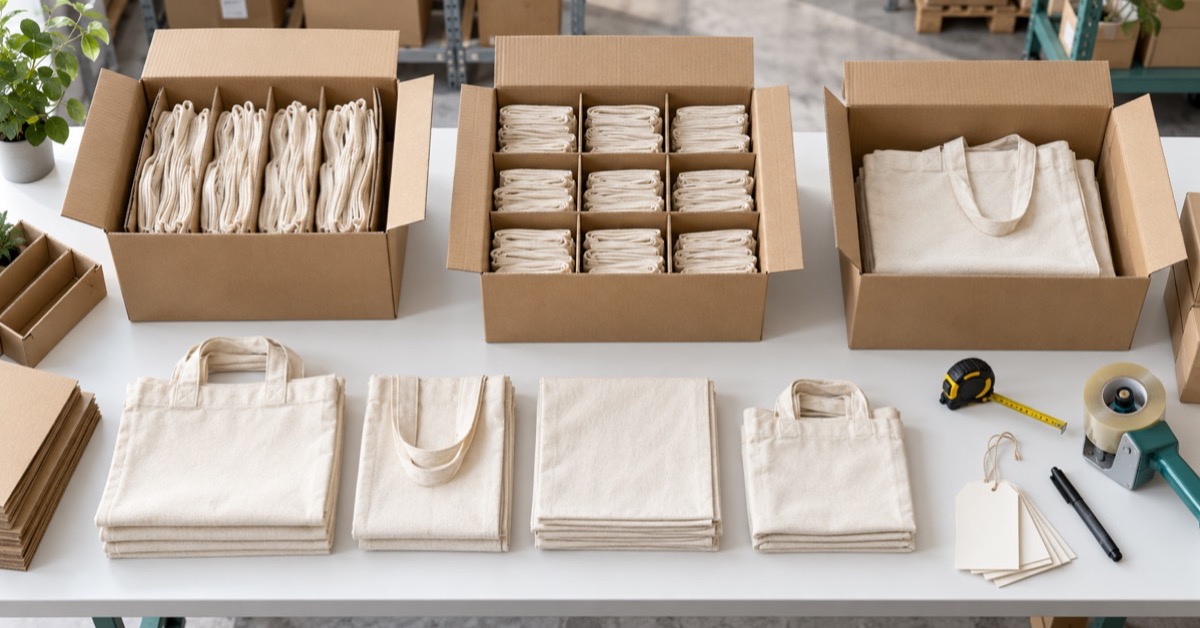
In both cases, the smartest move is to request a sample, confirm the materials and structure in writing, and check whether the packaging still makes sense when it is filled, carried, stacked, and shipped. That is where the difference between “custom” and genuinely useful packaging becomes obvious.