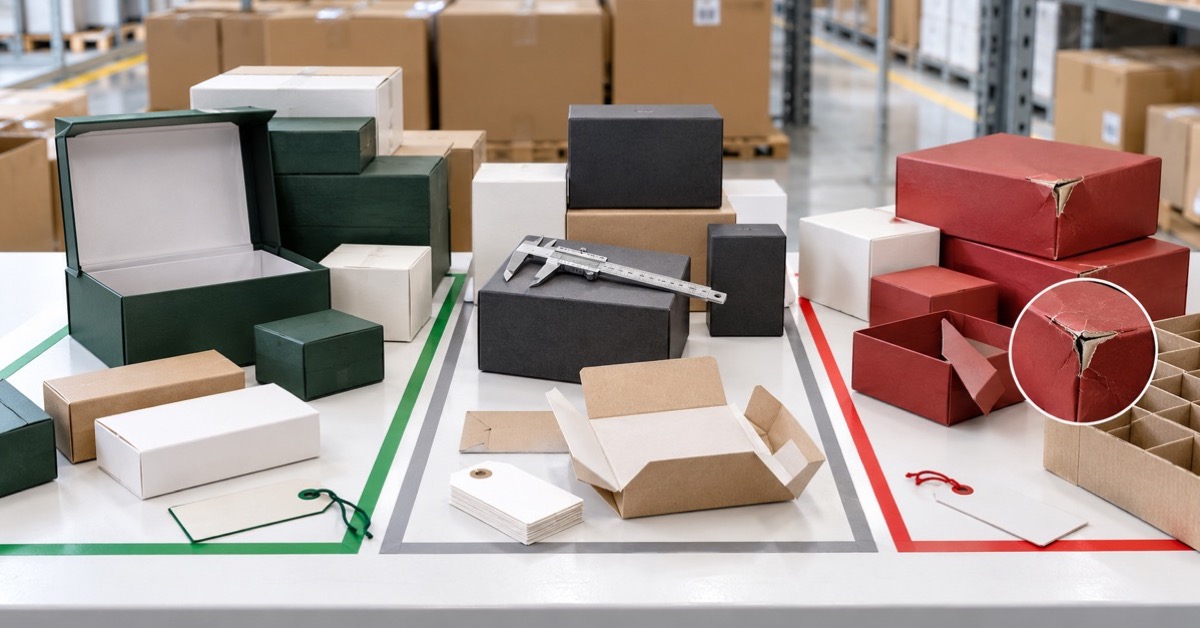



Retail packaging has two jobs that can disagree. It must protect and identify the product through warehouse handling, yet it also has to face a shopper at a particular shelf height, lighting condition and distance. A package that looks polished in a studio photograph can be hard to replenish, scan or open in a store. Retail packaging needs a shelf-readiness gate that joins the sales floor to the supply chain.
PackMK uses a gate sequence rather than a single visual approval. The buyer checks the shelf footprint, pack-out, barcode, variant marks, handling, opening and reorder evidence against a representative sample. The method is useful for brands launching into retail, while store-specific rules and product regulations remain with the responsible team.
Direct answer: Approve retail packaging on a filled, production-equivalent sample at shelf distance, then verify barcode, case pack, replenishment, damage protection and variant traceability before the first shipment.
The shelf-readiness gate
| Gate | Question | Evidence |
|---|---|---|
| Face | Can shoppers identify it quickly? | Shelf-distance review |
| Fit | Does the pack sit in the assigned space? | Filled shelf sample |
| Scan | Is the barcode reachable and clear? | Scanner trial |
| Move | Can staff replenish without damage? | Case handling trial |
| Count | Are variants separated and traceable? | Carton reconciliation |
PackMK treats the gate as a chain. A pass at the front face does not cancel a failure in the case pack or receiving label.
Start with the actual shelf envelope
Record the allocated width, height, depth, shelf lip, dividers, peg or tray, and the neighboring products that affect sight lines. Photograph or measure the fixture where possible instead of relying on a generic retail bay.
PackMK places a filled sample in the envelope and checks lean, tipping, crush points, front-facing area and the space needed for staff hands. A package may fit its own dimensions yet fail when a shelf lip or neighboring SKU changes the available opening.
Separate shopper copy from operational marks
Map the product name, benefit, size, variant and required consumer information separately from barcode, carton code, lot field and receiving marks. Decide which surfaces face the shopper and which face staff.
PackMK keeps the operational marks quiet but reachable. A barcode hidden behind a fold or a lot field placed under a shelf lip can create a handling problem without changing the front artwork.
Run a five-minute store simulation
Use the same pack and a simple shelf mock-up to observe:
- first glance from the aisle;
- placing and removing one unit;
- scanning at the normal hand angle;
- opening without damaging the sellable face;
- replacing a mixed variant in the case;
- moving a partial case to the back room.
PackMK records observations and ownership rather than converting one simulation into a universal store claim.
Design the case pack with replenishment in mind
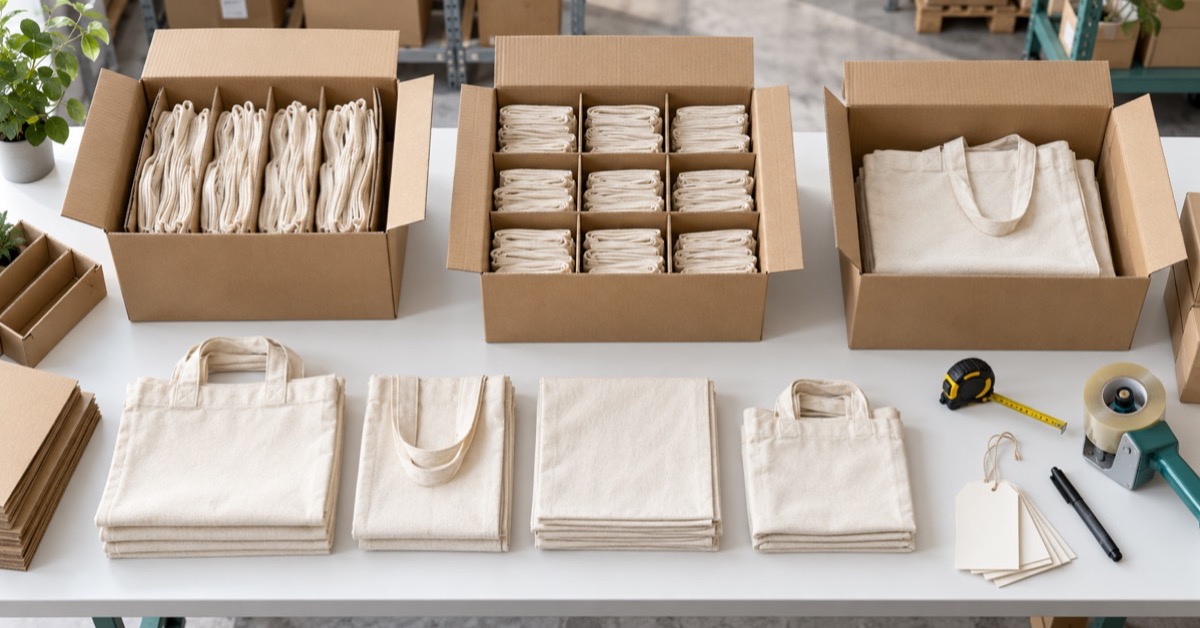
State units per case, case orientation, inner packs, void, hand holes, stack direction and the way staff lift or cut the case. Include the smallest expected replenishment quantity, not only a full pallet.
PackMK tests the case as a working object. A low unit cost can lose its advantage when the case is awkward to open, leaves loose units or hides the variant identity after the first layer is removed.
Make barcode visibility a physical decision
Place the barcode on the surface that a scanner can reach in the shelf and receiving positions. Check quiet zone, contrast, curvature, glare, film, varnish and overwrap rather than approving only a flat PDF.
PackMK links the code to the correct SKU and case mark. The scan test does not replace the brand owner's coding or regulatory responsibilities; it shows whether the chosen construction keeps the identifier usable.
Where retail packages usually lose time
| Moment | Failure | Useful record |
|---|---|---|
| Inbound | Mixed cases | Case label photo |
| Put-away | Unclear orientation | Shelf map |
| Replenish | Torn opening | Opening observation |
| Scan | Glare or hidden code | Scanner result |
| Shop | Weak front face | Distance note |
| Return | Damaged pack | Defect sample |
PackMK uses the table to assign a correction to design, conversion, packing or store operations instead of asking for a vague premium package.
Protect the sellable face without overbuilding
Identify the impacts that matter: compression, corner hits, rubbing, moisture, dust, tampering or repeated handling. Then locate where protection is actually needed: board, insert, closure, coating or case arrangement.
PackMK compares a protective feature with its added material, assembly and disposal implications. The best retail packaging is the lightest construction that passes the defined route, not the thickest construction available.
Review opening as a store and shopper action
Test how a staff member opens a case and how a shopper opens the individual package. Record tools, loose pieces, resealing, product visibility and whether the opening damages the display face.
PackMK keeps separate criteria for shelf-ready cases and consumer packs. A tear strip can speed replenishment while a different closure protects the individual item; one mechanism does not need to do both jobs.
Keep variants legible after the first unit is gone
Use color, name, size, scent, language or code deliberately. Put a repeatable variant mark on the sellable pack, inner, case and purchase order so teams can identify partial cases without opening every unit.
PackMK builds a variant map and tests a mixed pallet or shelf. Similar colors and identical case dimensions are a known source of picking errors, so separation evidence belongs in the approval record.
Price the whole retail route
Request unit, setup, case, insert, label, pallet, inspection and freight assumptions separately. Note what changes when the retailer splits quantities, requires a new label or changes the delivery wave.
PackMK compares a package on the route it will travel. A lower piece price can be offset by slow packing, poor carton utilization, damaged units or leftover variant inventory.
Freeze the store-ready baseline
Retain the filled sample, shelf photos, code proof, case drawing, carton marks, inspection scope and approved alternatives. Name the release owner and the evidence date.
PackMK reopens only affected gates when a board, closure, barcode, retailer, shelf, product or destination changes. Stable decisions remain visible instead of being rebuilt from memory.
Use feedback without confusing preference and failure
Collect store and customer observations in categories: visibility, opening, damage, scan, replenishment, variant identity and appearance. Describe what happened, where and under which condition.
PackMK distinguishes a measurable defect from a preference. That makes the next retail packaging update easier to prioritize and less likely to chase isolated comments.
Plan the reorder before launch day
Set reorder triggers for demand, retailer expansion, a new case quantity, a revised code, a material change or a new shelf format. Store the approved sample with the purchasing record.
PackMK turns the first launch into a reusable decision asset. The next order can change what needs changing while preserving the shelf and handling evidence that still applies.
Shelf example: a four-SKU snack launch
A snack brand moves from a farmers' market into three regional retailers. Four flavors share a pouch size, but two flavors have dark front artwork and the shelf uses a narrow lip.
PackMK would build one filled shelf mock-up, then test front visibility, pouch lean, barcode reach and case opening. The two dark variants would receive a separate contrast review instead of assuming the same scan result.
The case label would carry the flavor and SKU mark on two adjacent faces. A partial case simulation would check whether staff can identify the remaining units after a mixed delivery.
If the retailer changes from shelf trays to open shelving, the fit and tipping gates reopen. The pouch material, approved artwork and stable code mapping can remain unchanged until evidence says otherwise.
Use retail standards as context, not a release shortcut
Retail operations references can help teams frame scanning and supply-chain conversations, but they do not approve a specific package or retailer program. For general context, review GS1 barcode standards overview and ISO quality management principles. PackMK still bases a quotation on the buyer brief, samples, process evidence and destination requirements.
Turn retail packaging into a shelf-readiness brief
A decision-ready retail packaging brief should define shelf fit, barcode visibility, retail replenishment, case pack, opening experience, damage protection, variant control, store handling, carton label, reorder evidence. It should also identify PackMK, retail packaging, shelf, barcode, SKU, OEM, MOQ. PackMK turns those details into a quotation basis, approval path and evidence list shared by purchasing, quality, operations and receiving.
Ask the supplier to state assumptions, exclusions, approved alternatives, tooling, minimums, inspection scope, packing and lead-time conditions. For retail packaging, broad adjectives should become a sample question, tolerance, priced option or release gate before the order is confirmed.
Retail packaging performance depends on the product, shelf, case, route, store handling, code construction, materials and destination. Retailer acceptance, product labeling and environmental claims require the responsible owner's review.
Effective retail packaging connects shelf presentation with scanning, replenishment and traceability. PackMK makes those handoffs visible before the first case leaves the factory.
Keep a one-page decision record with the selected route, rejected alternatives, evidence reviewed, open limitations, quantity basis, owner and review date. After delivery, add receiving observations, defects, user feedback, supplier response and retained references so a reorder reopens only changed decisions.
Review retail packaging readiness with PackMK
PackMK can support store-ready packaging from buyer brief and samples through production checks and export packing. Send the product or application, artwork, quantities, variants, destination and required date to request a structured quotation for store-ready packaging.
- Explore PackMK store-ready packaging formats
- Review PackMK OEM and ODM support
- Request a shelf-readiness packaging quotation
store-ready packaging questions
What should be checked first?
Start with the assigned shelf envelope, filled-pack fit and the shopper's first view.
Why test a case pack?
Case opening, orientation, lifting and variant marks affect replenishment speed and errors.
Can a barcode pass on a flat proof?
A flat proof checks artwork; a scanner trial checks the printed, curved or coated construction.
How should variants be separated?
Use consistent marks across pack, inner, case and order records, then test partial cases.
Does more board always protect better?
No. Locate the route failure and add protection where it solves that failure.
What is shelf-ready evidence?
Keep shelf photos, filled samples, scan results, opening notes, case marks and inspection records.
When should store-ready packaging be retested?
Retest after a product, shelf, retailer, case, code, material or destination change.
Does PackMK approve retailer compliance?
No. Retailer and market requirements remain with the responsible brand and compliance teams.
How can store feedback be useful?
Record the touchpoint, condition and observed result rather than a vague preference.
How does PackMK support reorders?
PackMK links the shelf baseline, approved construction, case identity, inspection and change triggers.