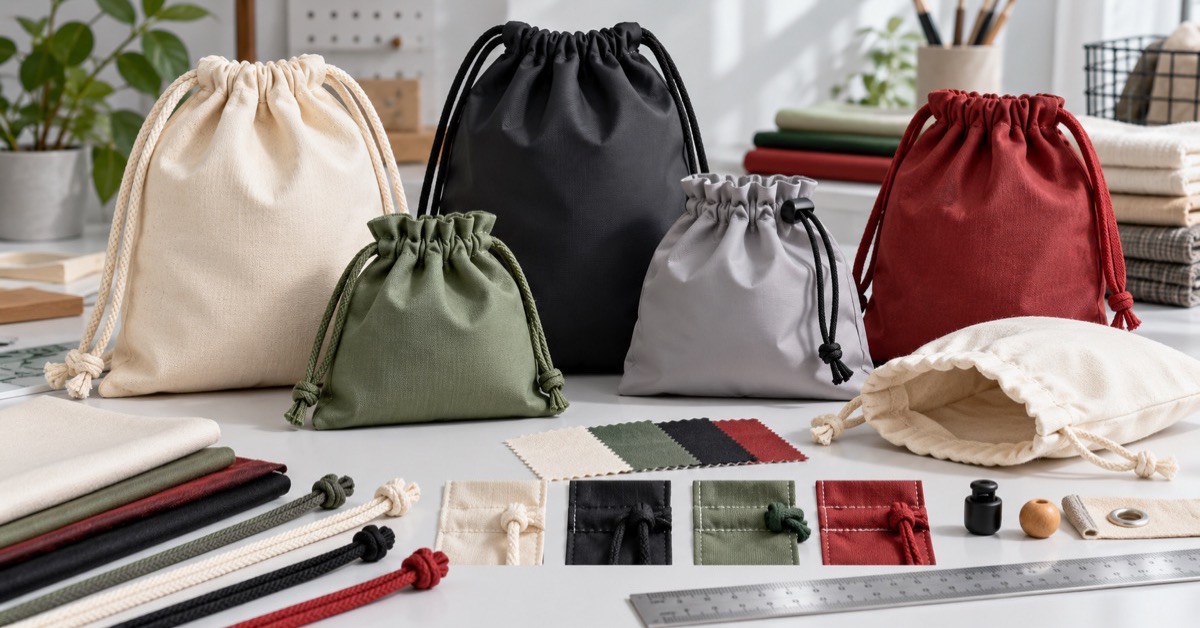


A sample room can concentrate attention on one perfect bag. A campaign order needs the same decisions repeated across materials, artwork versions, operators, cartons and delivery dates. Choosing a promotional bag manufacturer China should therefore include a pilot run that tests the real handoffs.
PackMK treats the pilot as a compressed production story. Each diary entry records what entered the process, what changed, where time accumulated and what evidence is strong enough to release volume.
Direct answer: Choose a promotional bag manufacturer China by running a production-representative pilot that exposes material control, artwork transfer, bottlenecks, loaded performance, inspection, packing and corrective-action behavior before the campaign volume is released.
Pilot diary, 08:00 — the brief reaches the floor
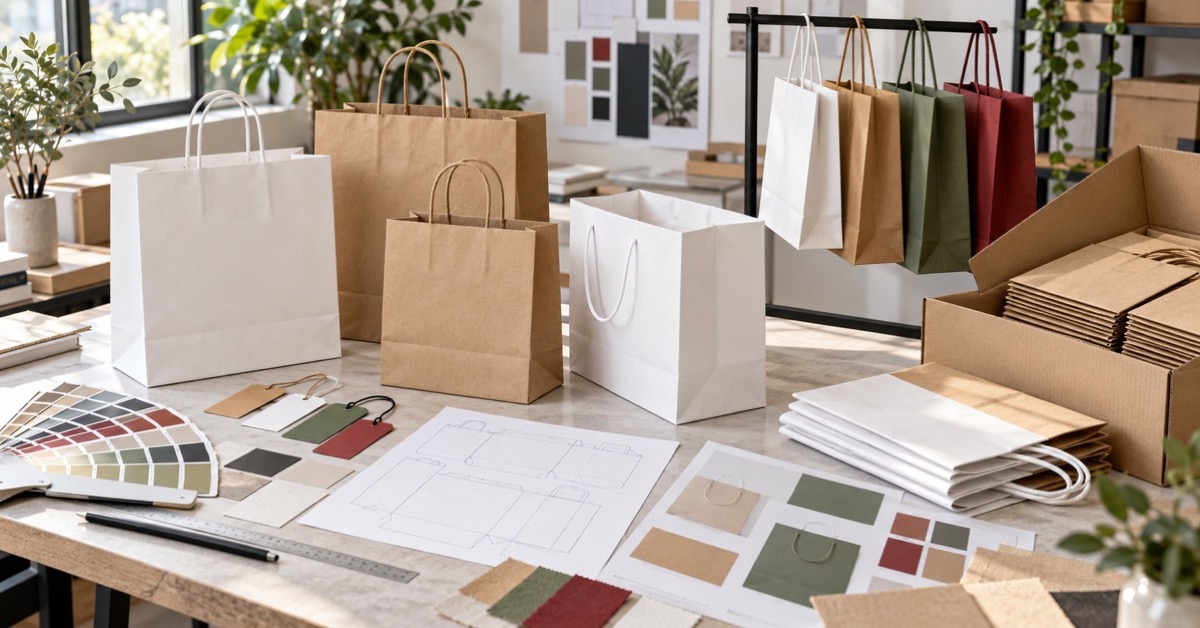
Compare campaign objective, recipient, contents, load, size, material, handles, artwork versions, quantity allocation, packing and delivery dates with the live work order.
PackMK asks operators to explain the instruction. Confusion found here is cheaper than a correction after printing or sewing.
Pilot diary, 08:40 — materials are issued
Trace fabric, color, width, weight, finish, handles, thread and trims from accepted lots to the pilot bundle. Record substitutions and remaining questions.
The pilot should use production-intended inputs. A sample made from convenient stock cannot confirm the planned supply route.
Pilot diary, 09:20 — cutting begins
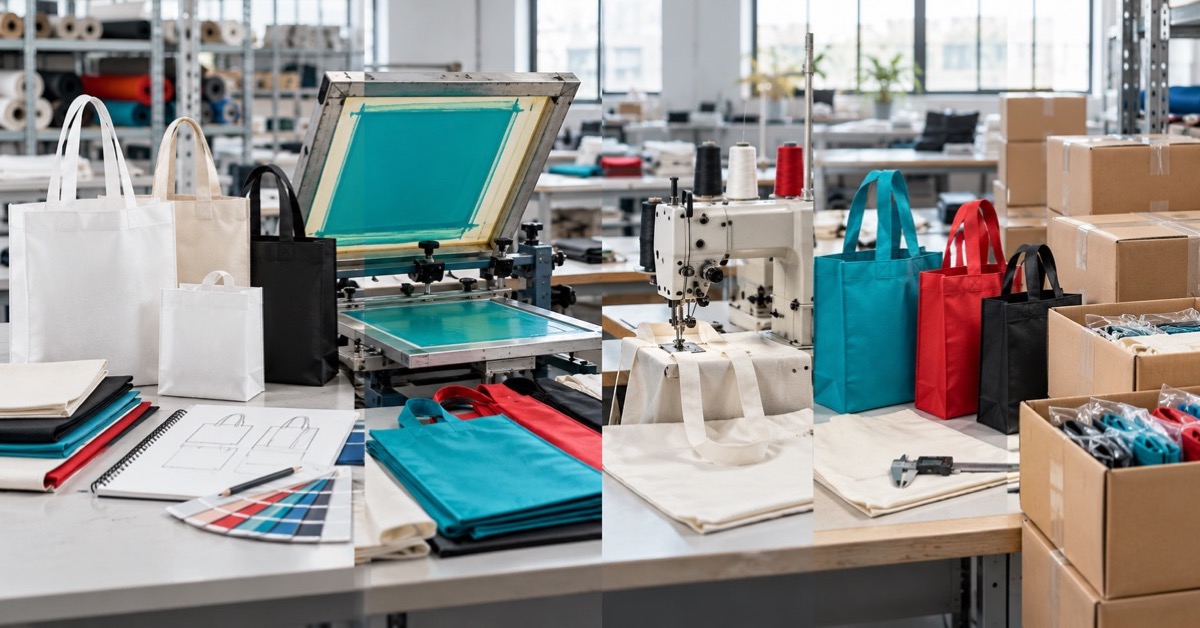
Check pattern revision, seam allowances, handle pieces, grain or direction, ply height, marker yield, defect zones and bundle identity.
PackMK measures representative pieces across the stack. Cutting variation can later appear as size, print-placement or sewing problems.
Pilot diary, 10:30 — artwork transfers to production
Release coded files, print method, position, color reference, coverage, curing and version quantities. Inspect the first printed panels on production fabric.
Keep versions separated through printing and bundle transfer. The diary records setup time, rejects and whether later panels drift from the approved reference.
Pilot diary, 13:00 — sewing finds the bottleneck
Map seams, gussets, handles, reinforcement, pockets, closures and finishing across machines and operators. Time the slowest meaningful operation.
Capacity depends on balance, not total headcount. PackMK observes queues, rework and handoffs that could pressure quality or delivery during volume production.
Record pilot output as evidence, not a demonstration
| Pilot field | Record | Release question |
|---|---|---|
| Inputs | Lots and quantities | Production intended? |
| Time | Process and waiting | Capacity credible? |
| Quality | Defects and rework | Controls effective? |
| Function | Loaded results | Use proven? |
| Packing | Count and cube | Shipment workable? |
Pilot diary, 15:00 — the bags meet their contents
Load common and worst-case campaign items, including sharp edges or bulky materials. Check capacity, opening, balance, handles, seams and print visibility.
Repeat carries and handoffs. A bag can pass static holding while remaining uncomfortable, slow to fill or visually distorted in real distribution.
Pilot diary, 16:00 — inspectors name the defects
Use clear categories for material, shade, size, seams, handles, print, cleanliness, version identity and function. Record severity, frequency and affected bundle.
PackMK compares first-article and pilot findings with the proposed line-check plan. Vague notes such as acceptable or not good cannot support improvement.
Pilot diary, 16:40 — the team closes open risks
Before volume release, assign each issue to one outcome:
- correct before production;
- accept by named buyer deviation;
- retest with a defined method;
- contain an identified material or bundle;
- change schedule or allocation;
- hold release pending missing evidence.
PackMK records owner, due date and verification so the pilot creates action rather than a meeting summary.
Translate the pilot into a credible capacity plan
| Constraint | Pilot observation | Volume response |
|---|---|---|
| Material | Lot availability | Reserve and incoming plan |
| Printing | Setup and cure | Version sequence |
| Sewing | Slow operation | Line balance |
| Inspection | Check time | Staffing and gates |
| Packing | Cartons per hour | Dispatch schedule |
Pilot diary, day two — pack and reopen the result
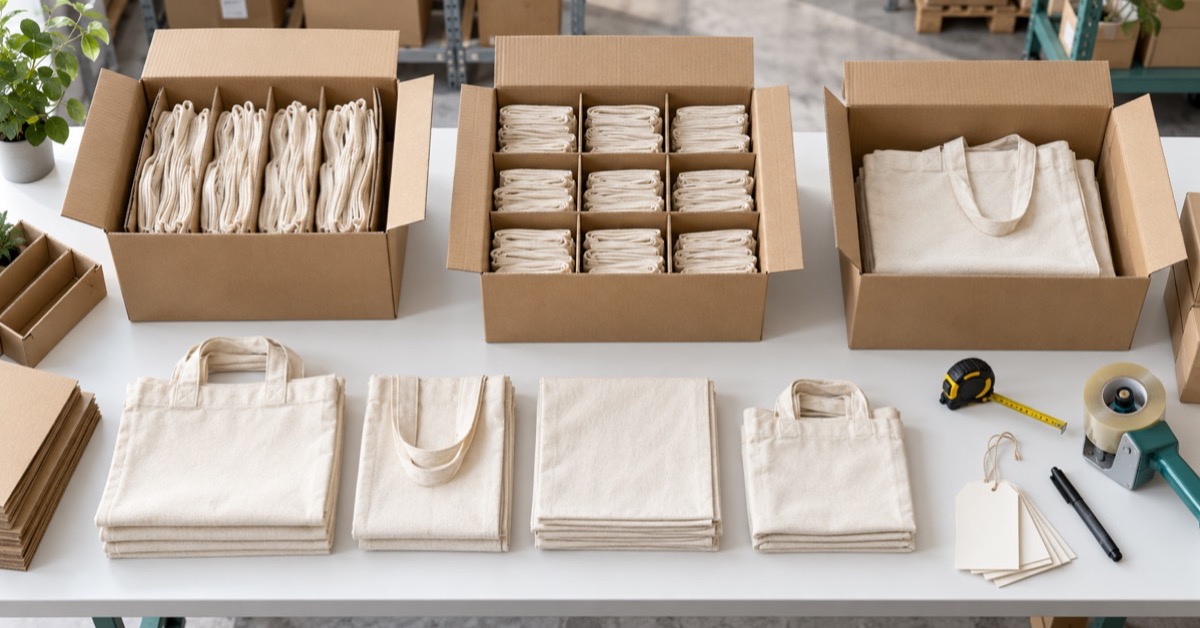
Fold, bundle and carton production-equivalent bags with correct version and destination marks. Measure count, dimensions, weight and packing time.
Reopen cartons after compression or handling and inspect creasing, print transfer, odor, moisture, version mixing and ease of distribution.
Volume release — preserve what the pilot proved
Link material, patterns, artwork, first article, pilot data, approved corrections, inspection and packing to the production order. State what changes reopen approval.
A pilot is valuable only when its learning controls the run. PackMK samples across time, lines, operators and versions rather than assuming the first hour represents all output.
After the campaign — grade the manufacturer with outcomes
Review delivered quantity, timing, defects, distribution speed, recipient use, leftovers and response to issues. Compare these results with the pilot predictions.
The next sourcing decision should reward evidence that predicted reality and corrective action that stayed effective, not only a low opening quotation.
Pilot postmortem: what a good-looking result can still hide
A pilot can finish with attractive bags and still provide weak production evidence. If all pieces used one fabric roll, one printer and the most experienced sewing operator, the result may not represent the planned volume route. The postmortem should ask which sources of variation were actually exercised and which remain open.
Review the time log as well as the samples. Long waits between printing and sewing, repeated machine adjustment, manual sorting or an overloaded packing station may not affect twenty pilot pieces, but they can threaten a campaign schedule. Capacity should be rebuilt around the constrained operation and realistic changeovers.
Defects also need denominators and locations. Three skipped stitches in one operator bundle mean something different from three spread across the run. PackMK maps defects to material, process, time and handler so corrections can target training, equipment, instruction or design rather than a generic reminder to improve quality.
Finally, retest the revised route. A corrective action written after the pilot is only a proposal until a new piece or small follow-up set demonstrates the intended result. Volume release should record what was verified, what will be monitored during production and who has authority to stop the run if the risk returns.
Use textile and quality guidance as supporting context
Standards strengthen material language and process review, while the campaign brief, pilot evidence and actual line determine manufacturer approval. Consult Textile Exchange standards overview and ISO quality management principles as context. PackMK still bases release on the actual specification, physical sample, production route and buyer-approved conditions.
Evaluate a promotional bag manufacturer China through a pilot
A workable promotional bag manufacturer China brief defines campaign brief, material lot, artwork version, cutting bundle, print setup, sewing balance, loaded trial, pilot quantity, production capacity, corrective action. It also identifies PackMK, China, promotional bag, cotton, non-woven, screen printing, MOQ, carton. PackMK uses these fields to turn broad search language into evidence that sourcing, quality and operations can verify.
Ask every supplier to state assumptions, exclusions, approved alternatives, tooling, minimums, inspection scope, packing and lead-time conditions. For promotional bag manufacturer China, an unclear promise should become a sample question, a priced option or a release condition before the purchase order is confirmed.
A pilot does not reproduce every volume-production condition. Material-lot changes, additional lines, new operators, longer run time and shipping pressure may create new variation. The volume plan must include periodic checks and stop rules beyond the pilot.
The right promotional bag manufacturer China can show how a campaign brief becomes repeatable output. PackMK uses pilot data to make schedule, capacity, quality and recovery decisions visible before the order becomes too large to change safely.
Pilot a promotional bag manufacturer China project with PackMK
PackMK can support promotional bag manufacturer China from buyer brief and samples through production checks and export packing. Send PackMK the product or application, artwork, quantities, variants, destination and required date to request a structured quotation for promotional bag manufacturer China.
- Explore PackMK promotional bag formats
- Review PackMK OEM and ODM support
- Request a promotional bag manufacturer China quotation
Promotional-bag pilot questions
What should I send a promotional bag manufacturer China?
Send the campaign brief, contents, load, material, size, handles, artwork versions, quantities, packing, destinations and delivery dates.
How large should a pilot run be?
It should be large enough to exercise production materials, cutting, printing, sewing, inspection, packing and version control.
Why is a pilot better than one sample?
A pilot exposes transfer, setup, variation, bottlenecks, rework, mixed versions and packing conditions that one sample cannot.
What should pilot capacity data include?
Record processing and waiting time, accepted output, changeovers, slow operations, inspection and packing rates under stated conditions.
How should artwork versions be separated?
Use coded files, bundles, work orders, quantities, cartons, allocation records and receiving checks for every version.
What functional testing is useful?
Load common and worst-case contents, then check filling, capacity, balance, handles, seams, carrying and print visibility.
What issues should stop volume release?
Critical material, construction, identity, function or unresolved evidence failures should trigger a defined hold and owner.
What belongs in final inspection?
Check material, dimensions, seams, handles, print, function, cleanliness, quantity, versions, bundles and cartons.
What protects repeat campaign orders?
Keep material references, patterns, artwork, samples, pilot data, corrections, inspection, packing and receiving feedback.
How does PackMK support a promotional-bag pilot?
PackMK coordinates the brief, production-representative pilot, evidence review, volume release, inspection, packing and reorder file.