

A private-label launch often begins with one hero product and quickly expands into sizes, flavors, markets and sales channels. Private label packaging becomes difficult when every new SKU is treated as a separate design instead of part of one operating system.
PackMK starts with portfolio architecture: what must remain recognizably shared, what must vary for the buyer, and which production decisions should be controlled by format rather than by artwork file.
Direct answer: Strong private label packaging separates brand constants from SKU variables, assigns owners to claims and data, groups materials and formats intelligently, and releases launch waves only after physical proof and supply risk are visible.
Start with a portfolio map, not a mood board
| Layer | Shared rule | Permitted variation |
|---|---|---|
| Brand | Logo hierarchy | Campaign badge |
| Product | Naming pattern | Variant and size |
| Information | Required zones | Market copy |
| Format | Construction family | Dimensions |
| Supply | Approval route | Order quantity |
Decide what the shopper must recognize in three seconds
Name the brand cue, product category, variant and key distinction that must remain visible at shelf distance or in a small online thumbnail. Test the hierarchy on several SKUs, not only the easiest pack.
PackMK records the viewing context, physical size and approved priority. This prevents decorative elements from pushing product identity or required copy into secondary positions.
Build the SKU matrix before multiplying files
The matrix should describe each commercial item in operational language, including:
- product and variant identity;
- pack size and packaging format;
- market and language;
- claim and legal owner;
- barcode or variable-data source;
- forecast, launch wave and replenishment route.
PackMK uses the matrix as the source of truth for quotations, artwork status, production quantities and receiving reconciliation.
Group formats by the decisions they actually share
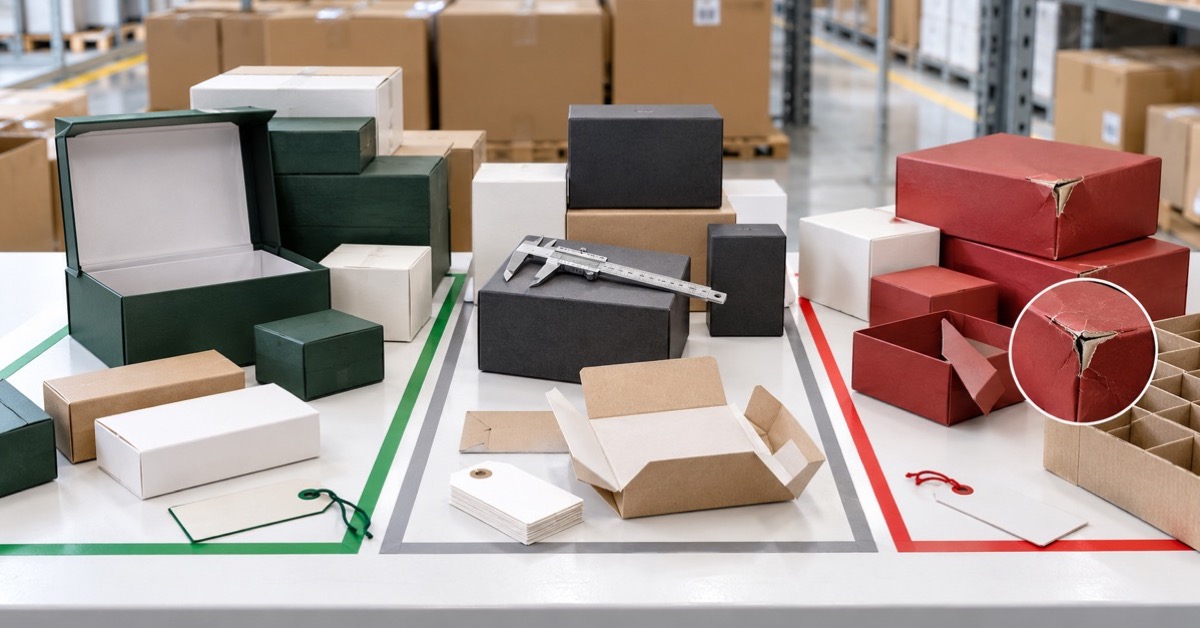
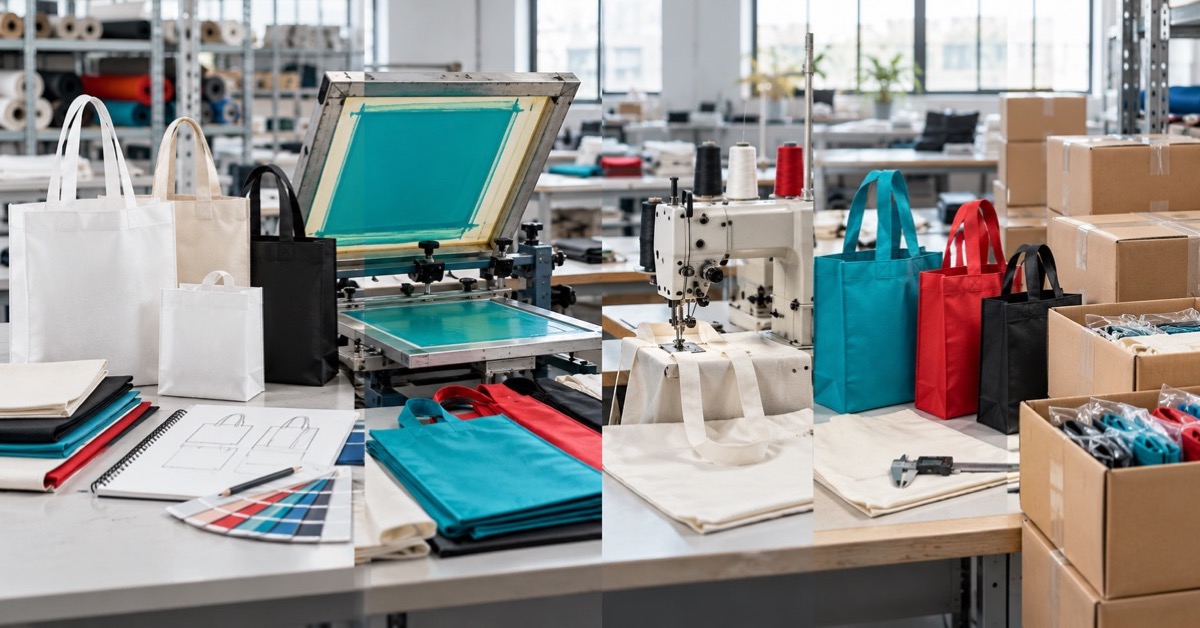
A pouch, paper box, label and shopping bag may share a visual system but not the same dieline, material tests or production risks. Create format families only where structure, print route and approval evidence can genuinely be reused.
The benefit is controlled reuse, not forced uniformity. A new SKU should inherit verified rules while reopening only the fields affected by its product, surface, market or handling route.
Give every claim a source and an expiry point
Create a register for ingredient, performance, origin, environmental and promotional statements. Record the approved wording, source, applicable markets, SKU scope, reviewer and next review trigger.
PackMK does not treat a graphic proof as evidence that the underlying claim is approved. Copy ownership remains with the buyer or qualified reviewer, while manufacturing release checks the approved version.
Use material families without hiding performance differences
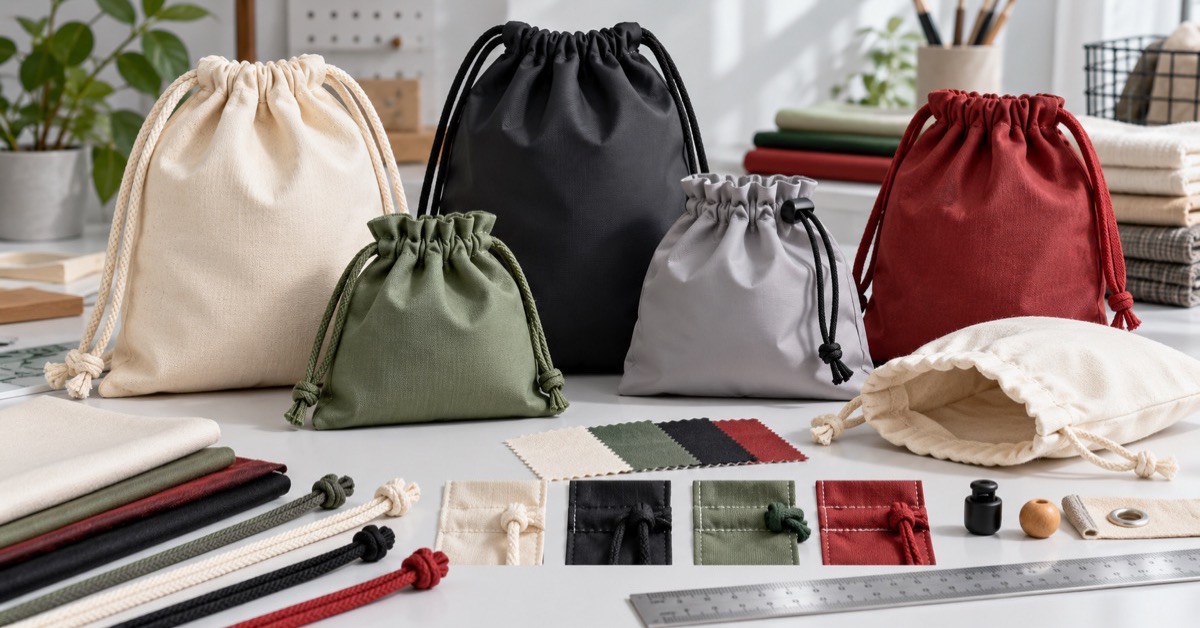
Define paper, board, film, fabric, adhesive, coating or insert constructions by physical reference and application. State approved variation and which changes require fresh sampling or tests.
A common material family can simplify buying, but one material may behave differently across folds, curves, moisture, abrasion or packing pressure. Finished-product evidence remains format specific.
Choose representative proofs for the whole range
| Portfolio risk | Representative SKU | Proof |
|---|---|---|
| Longest copy | Most crowded language | Final-size print |
| Tightest fit | Smallest clearance | Loaded sample |
| Critical color | Most visible pack | Physical reference |
| Complex structure | Most operations | First article |
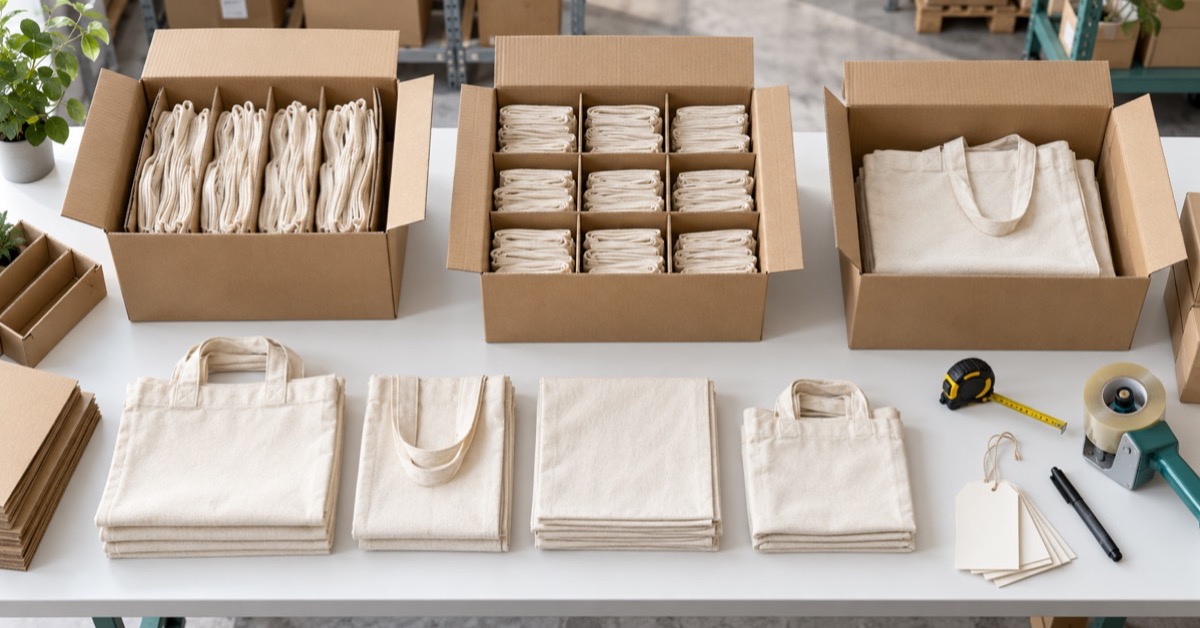
| Mixed shipment | Largest version set | Carton reconciliation |
Plan launch waves around learning, not internal optimism
Place lower-risk or representative SKUs in an early wave, then use real sampling, production and receiving evidence before releasing the full assortment. Define what the first wave must prove.
PackMK links every later wave to unresolved risks, artwork dates, material availability, setup, inspection and destination needs. This makes delay or acceleration a visible business choice.
Normalize minimums across materials, formats and versions
A supplier minimum may apply to raw material, printing, tooling, one design or the full order. Separate those thresholds and show how the SKU mix changes unit cost, inventory and leftover material.
Do not divide a total quantity evenly unless demand supports it. Quote realistic version volumes and compare consolidation savings with the risk of excess stock or obsolete copy.
Release production through a family control board
The board should show specification, artwork, claims, codes, physical proof, material, test status, quantity, packing and approval owner for every SKU. Missing evidence stays visible.
PackMK uses representative proofs where justified, but never assumes that one easy SKU covers a different material, geometry, language, code or production route.
Keep the reorder library small enough to trust
A useful retained file contains only current, auditable assets:
- coded specifications and dielines;
- approved artwork and translations;
- material and color references;
- signed samples and test records;
- inspection criteria and accepted deviations;
- packing standards and receiving feedback.
Archive obsolete files with replacement relationships so teams can understand history without accidentally releasing an old version.
Measure whether the system reduced work
After launch, review artwork corrections, sample cycles, line stops, version errors, receiving time, leftover inventory and reorder questions. The purpose of architecture is operational improvement, not additional documentation.
PackMK updates the shared rules only when evidence shows that a change will help future SKUs. Exceptions remain explicit instead of quietly becoming the new standard.
A practical change scenario: one claim changes in two markets
Imagine a twelve-SKU range using three box sizes and two languages. A buyer updates one benefit statement for only two markets. Without a matrix, designers may duplicate files, factories may reprint unaffected versions, and warehouses may struggle to distinguish old and new stock. The portfolio approach isolates the claim field, applicable markets, affected quantities and replacement date before artwork work begins.
The team then asks four separate questions: Is existing inventory still usable? Does the new wording change layout or dieline? Which proofs need buyer review? How will cartons distinguish transitional stock? This sequence turns a copy change into a controlled commercial decision rather than a rush request sent to every supplier.
PackMK would retain both the retired and released wording with clear status, but production access would show only the current version. A change log explains why the replacement occurred, which SKUs it affects and whether any physical proof or code test reopened. That record supports both immediate containment and future launches.
The example also reveals a limitation of rigid templates: they can preserve visual consistency while hiding market-specific obligations. Good architecture provides reusable rules and explicit exceptions. It does not force every product, language or format through an identical approval path when the underlying risks differ.
Use packaging and quality guidance without copying it
Responsible sourcing and quality principles can strengthen the governance discussion, but they do not replace buyer-owned claims or order-specific performance proof. Consult FSC responsible forestry information and ISO quality management principles as context. PackMK still bases release on the actual specification, physical sample, production route and buyer-approved conditions.
Turn private label packaging into a controlled portfolio
A workable private label packaging brief defines brand architecture, SKU matrix, packaging format, claim register, material family, artwork template, minimum order, launch wave, quality standard, reorder library. It also identifies PackMK, private label, SKU, OEM, ODM, FSC, barcode, carton. PackMK uses these fields to turn broad search language into evidence that sourcing, quality and operations can verify.
Ask every supplier to state assumptions, exclusions, approved alternatives, tooling, minimums, inspection scope, packing and lead-time conditions. For private label packaging, an unclear promise should become a sample question, a priced option or a release condition before the purchase order is confirmed.
A portfolio system cannot eliminate every separate approval. Different food-contact obligations, markets, product hazards, substrates, closures or application conditions may require qualified review and distinct testing. PackMK makes those boundaries explicit rather than claiming that one template fits all.
The strongest private label packaging program gives brand teams room to grow while keeping procurement evidence, SKU identity and production release connected. Buyers should be able to explain what is shared, what varies, who approved it and what must be retested.
Build private label packaging with PackMK
PackMK can support private label packaging from buyer brief and samples through production checks and export packing. Send PackMK the product or application, artwork, quantities, variants, destination and required date to request a structured quotation for private label packaging.
- Explore PackMK private-label packaging formats
- Review PackMK OEM and ODM support
- Request a private-label packaging quotation
Private-label portfolio questions
What information is needed to develop private label packaging?
Provide the product range, formats, markets, claims, languages, artwork, quantities, launch dates, quality needs, packing and destination.
What should stay consistent across a private-label range?
Brand hierarchy, naming logic, information zones, approval fields and selected format rules can stay shared when product and market risks allow.
Does one proof cover every SKU?
No. Representative proofs only cover the risks they actually contain; different materials, geometry, languages, colors or codes may need separate evidence.
How should claims be controlled?
Assign a qualified owner, source, approved wording, market and SKU scope, review date and version status to every claim.
How are packaging minimums calculated?
Separate raw-material, print, tooling, format and artwork-version minimums, then model the real SKU mix and inventory exposure.
What belongs in a launch wave?
Choose SKUs that prove important shared decisions, define success evidence and keep later releases tied to resolved risks.
How is artwork version control maintained?
Use coded files, one released library, status and owner fields, obsolete-file blocking and matching work-order and carton identity.
What belongs in final inspection?
Inspect materials, structure, dimensions, print, copy, codes, function, quantities, version separation, packing and marks.
What protects repeat orders?
Retain current specifications, dielines, artwork, claims, material references, samples, tests, deviations, inspection and packing.
How does PackMK support a private-label range?
PackMK coordinates portfolio structure, samples, supplier quotations, production release, inspection, packing and controlled reorder records.