

A gift box is experienced as a sequence, not a static object. The recipient first sees the outer condition, then finds the opening cue, reveals the product, removes it, handles the empty box and decides whether to retain or discard it. Private label gift boxes should choreograph those physical beats without sacrificing protection, assembly or landed cost.
PackMK turns the unboxing sequence into measurable development gates. This keeps brand intention connected to board, structure, inserts, finish, packing and repeat production instead of relying on a beautiful render.
Direct answer: Define the six physical beats of arrival, opening cue, first reveal, product removal, reclosure and end-of-use, then prove each beat with loaded structural samples and production-equivalent finishes.
Write the six-beat script before drawing the box
| Beat | User action | Evidence |
|---|---|---|
| Arrival | Inspect condition | Packed sample |
| Opening | Find and operate cue | Opening trial |
| Reveal | See hierarchy | Loaded proof |
| Removal | Lift product | Fit trial |
| Reclosure | Close or retain | Cycle check |
| End | Store or dispose | Material review |
The script gives designers and suppliers a shared definition of what the box must do.
Beat one: protect the arrival condition
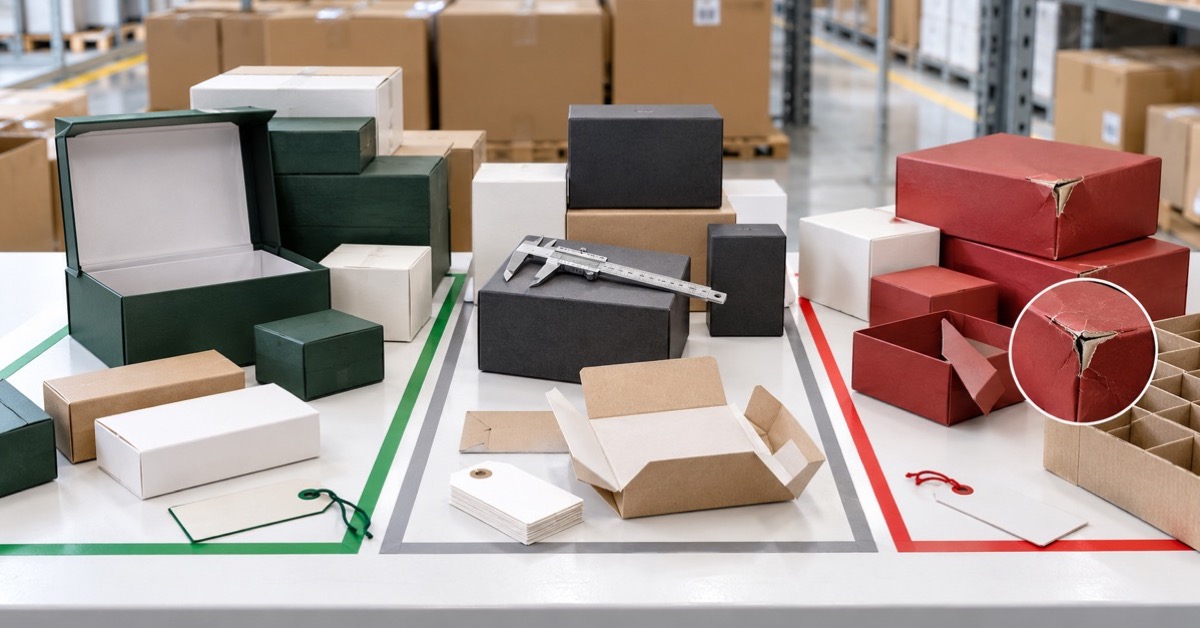
Define which surfaces, edges and details must remain presentable after handling, master-carton transport and opening. Separate retail gift-box protection from the role of the shipping carton.
PackMK reviews the full pack-out. A premium box may still need tissue, sleeves, dividers or orientation control to arrive as intended.
Beat two: make the opening cue obvious
Use lids, ribbons, drawers, tabs, magnets or sleeves only after checking how the recipient identifies and operates them. Consider grip, opening force, noise and accidental inversion.
PackMK tests unfamiliar structures with users who did not see the design explanation. A successful cue should not depend on hidden knowledge from the development team.
Beat three: control the first reveal
The reveal brief should state:
- which product or message appears first;
- how much product is visible;
- orientation and color hierarchy;
- movement allowed inside the insert;
- accessory and document placement;
- acceptable gaps and shadows.
PackMK evaluates the loaded box from the recipient's viewing angle, not only from a flat overhead render.
Beat four: let the product leave cleanly
Check finger access, pull tabs, friction, insert flex, fragile surfaces and whether accessories remain contained while the main item is removed.
PackMK records removal force or observations where appropriate. A tight fit can look controlled but create product damage or an awkward first experience.
Beat five: decide whether reclosure is real
If the box is intended for storage, returns or repeated gifting, test closure alignment, magnet or tab behavior, insert retention and surface wear over credible cycles.
PackMK distinguishes a box that can be closed once from one designed for repeated handling. The latter may need different tolerances and material evidence.
Beat six: connect end-of-use to construction
| Intent | Design implication | Question |
|---|---|---|
| Keep | Durable surface and closure | Will it age well? |
| Reuse | Flexible insert or neutral identity | Is the claim credible? |
| Recycle route | Material separation | Can components be removed? |
| Dispose | Minimal excess | Is complexity justified? |
Environmental statements and disposal guidance should be specific to the actual construction and market, not borrowed from one component.
Choose architecture by the script
Compare folding cartons, lid-and-base, drawer, book-style, collapsible or other routes against the six beats, product protection, tooling, assembly and shipping cube.
PackMK uses white samples before finish decisions. Structural changes are cheaper and clearer while artwork and decorative processes are still open.
Build the insert around removal and protection
Define product tolerances, vulnerable surfaces, orientation, accessory control, finger access and transport movement. Test range extremes rather than one ideal product.
PackMK checks whether the insert supports both arrival and removal. A visually clean cavity can become difficult when real products vary.
Approve finishes after folding and handling
Review color, lamination, foil, embossing, varnish, texture and wrapped edges on the converted box. Flex, rub, stack and open samples under representative conditions.
PackMK retains a physical reference and visible tolerances. Screen color cannot prove scuffing, edge cracking or registration after assembly.
Time the factory assembly sequence
Observe folding, gluing, wrapping, insert placement, cleaning, loading and closing. Record bottlenecks, fixtures, cure time and operator variation.
PackMK includes assembly in the quote comparison. A lower converted-component price can create higher labor, reject and schedule risk.
Release production with a loaded first article
Compare structure, board, finish, artwork, insert, product fit, opening, reveal, removal, closure and pack-out. Identify deviations before the full run continues.
PackMK keeps the approved first article connected to the six-beat script. Production cannot satisfy the brief by matching appearance alone.
Inspect the beats across the run
Sample boxes from different production times and operators. Check identity, dimensions, cuts, creases, finish, opening, reveal, removal, closure, cleanliness and quantity.
PackMK uses defect categories tied to user consequences. A difficult drawer or trapped product is functional failure even when the outer print is attractive.
Pack the gift box as a transport system
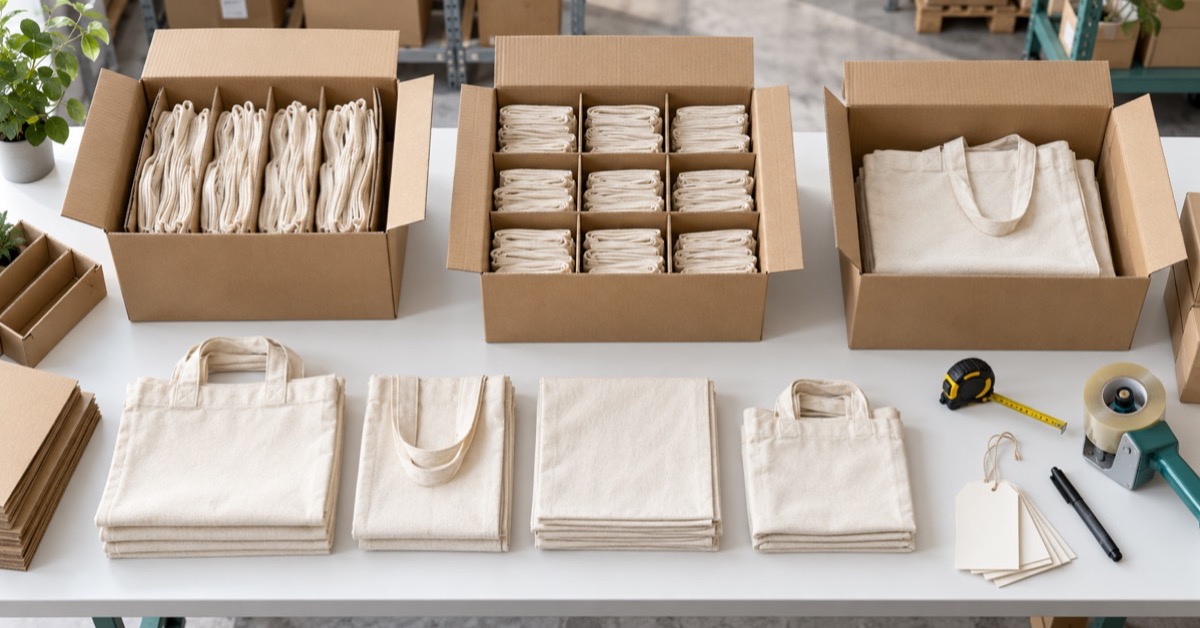
Define inner protection, orientation, units per carton, strength, moisture control, marks and pallet arrangement. Check rubbing and deformation after a representative packed interval.
PackMK treats the master carton as part of arrival quality. The first beat cannot succeed if transport protection is left undefined.
Review the script after launch
Collect damage, opening confusion, product removal, closure, finish wear, disposal questions, returns and packing labor. Compare observations with the original sequence.
PackMK uses the review to simplify or strengthen the next order. Unboxing becomes an operating design system, not a one-time concept.
Unboxing example: a gift set with one hero item and two accessories
A beauty gift set must show the hero item first while keeping two smaller accessories secure. The first insert concept hides finger access and the recipient lifts the entire insert to remove the product.
PackMK would change the reveal hierarchy and add controlled access, then retest transport movement, removal and reclosure. The revised structure might be less visually minimal on a render but more successful in physical use.
Production approval would include the real product range and pack-out. The six beats would remain the reference for inspection and reorder changes.
Use quality and marketing guidance for evidence and claims
Quality principles and marketing guidance can improve decision ownership and prevent unsupported material or performance statements. Use ISO quality management principles and FTC advertising and marketing guidance as context for supplier questions. PackMK still releases the actual order against the buyer brief, approved samples, production evidence and destination-specific requirements.
Brief private label gift boxes through six physical beats
A decision-ready private label gift boxes brief should define unboxing sequence, box architecture, paperboard, opening force, product reveal, insert retention, surface finish, assembly time, master carton, reorder reference. It should also identify PackMK, private label gift boxes, rigid box, folding carton, paperboard, magnet, OEM, MOQ. PackMK turns those fields into a quotation scope, approval route and evidence list that purchasing, quality, operations and receiving can interpret consistently.
Require the supplier to state assumptions, exclusions, approved alternatives, tooling, minimums, inspection scope, packing and lead-time conditions. For private label gift boxes, a broad promise should become a sample question, measurable tolerance, priced option or release gate before the purchase order is confirmed.
Product protection, environmental statements, board performance and market requirements vary by design and destination. Qualified teams should confirm specific legal, safety and disposal obligations.
A gift box succeeds when the physical sequence feels intentional and repeatable. PackMK connects that experience to structures, evidence, factory work and transport control.
Before approval, PackMK recommends a one-page decision record naming the selected route, rejected alternatives, evidence reviewed, open limitations, quantity basis, owner and review date. After delivery, add receiving observations, defects, user feedback, supplier response and retained references. This creates a useful learning loop and lets the next order reopen only the decisions affected by a new SKU, material, market, application or delivery route.
Choreograph a gift-box sequence with PackMK
PackMK can support private label gift boxes from buyer brief and samples through production checks and export packing. Send the product or application, artwork, quantities, variants, destination and required date to request a structured quotation for private label gift boxes.
- Explore PackMK gift box and paper packaging formats
- Review PackMK OEM and ODM support
- Request a private label gift box quotation
Unboxing design questions for gift boxes
What are the six useful unboxing beats?
Use arrival, opening cue, first reveal, product removal, reclosure and end-of-use.
Why start with a white sample?
It tests structure, fit, opening and assembly before decorative decisions make changes expensive.
What should the first reveal brief contain?
State product hierarchy, visibility, orientation, gaps, accessory placement and movement limits.
How is product removal tested?
Use real range extremes and observe access, force, friction, insert flex and surface protection.
Does every gift box need reclosure?
No. Define whether storage, returns or repeated handling is an intended requirement.
How are finishes approved?
Review converted physical samples after folding, rubbing, stacking, opening and relevant handling.
What assembly costs should be compared?
Include folding, gluing, wrapping, insert placement, loading, cleaning, rejects and cure time.
What belongs in first-article approval?
Check structure, board, artwork, finish, insert, fit, all six beats and pack-out.
Why qualify the master carton?
It protects the arrival condition and controls rubbing, deformation, counts and identity.
How does PackMK support gift-box projects?
PackMK coordinates the script, samples, finishes, assembly evidence, inspection, packing and reorder review.