

A paper bag price is the output of a specification, process route and quantity structure. When buyers compare numbers without normalizing those inputs, the cheapest quote often describes a different bag. Paper bag printing cost becomes understandable only when the quotation is walked from blank bag geometry to packed carton.
PackMK uses a cost equation with visible drivers: size, paper, printing, setup, conversion, handles, finishing, inspection, packing, quantity and delivery basis. The equation does not claim one universal price. It shows which decision moves which part of the quote.
Direct answer: Normalize the bag specification and quantity allocation first, then separate recurring unit costs from setup, tooling, sampling, inspection, packing and delivery so every quoted option can be compared on the same basis.
Write the cost equation before requesting prices
| Cost block | Main driver | Buyer control |
|---|---|---|
| Paper | Area, grade and weight | Right-size the bag |
| Method, colors and coverage | Simplify artwork | |
| Setup | Plates and changeovers | Consolidate versions |
| Conversion | Structure and handles | Choose purposeful features |
| Packing | Bundle and carton efficiency | Set delivery needs |
PackMK asks suppliers to identify recurring and one-time blocks instead of hiding every item inside one unit price.
Start with the developed paper area
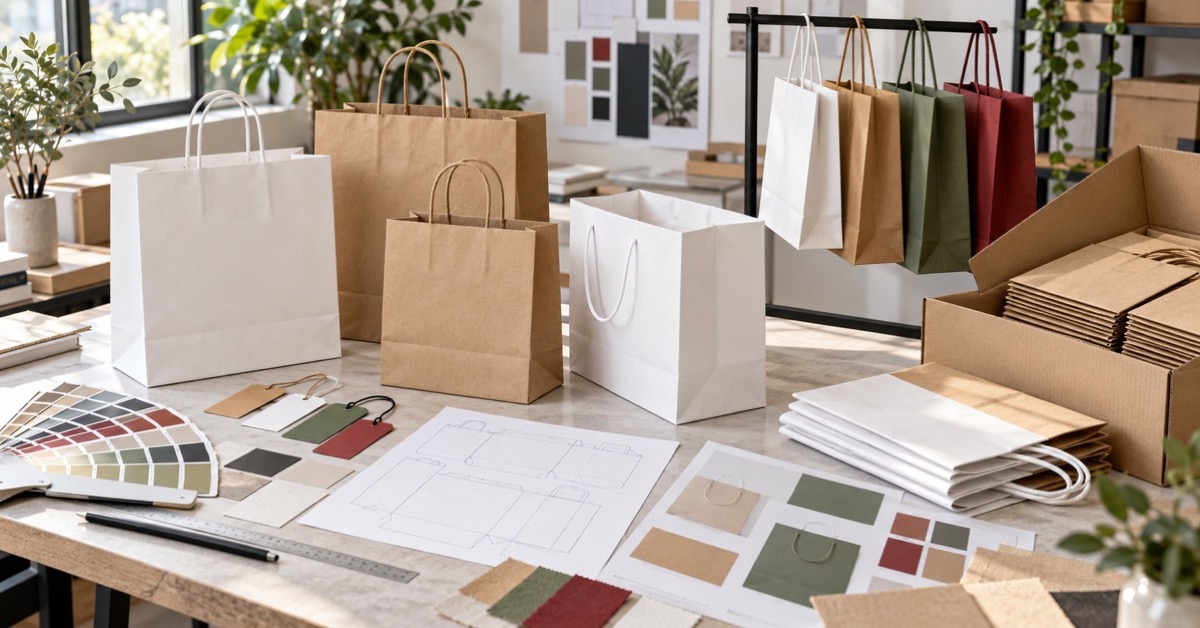
Bag width, height, gusset, top fold, bottom fold and production allowances determine material area. A small change can affect sheet layout, roll width, waste and carton size.
PackMK reviews the dieline and finished dimensions together. Comparing bags only by front-panel size can hide significant differences in construction and paper use.
Paper grade changes more than the material line
Record fiber or grade direction, weight, color, surface, strength needs, certifications requested and approved alternatives. Print settings, creasing, handle reinforcement and appearance may change with the stock.
PackMK prices named constructions and separates optional upgrades. A vague request for premium paper gives suppliers room to quote incomparable materials.
Turn artwork into measurable production variables
The print brief should state:
- number of spot or process colors;
- percentage and location of ink coverage;
- smallest critical detail and reverse type;
- inside, gusset or edge printing;
- color reference and tolerance method;
- versions, languages and quantity split.
PackMK uses the production-sized artwork to request prices. A logo count is not a complete print specification.
Choose the print route by artwork and run profile
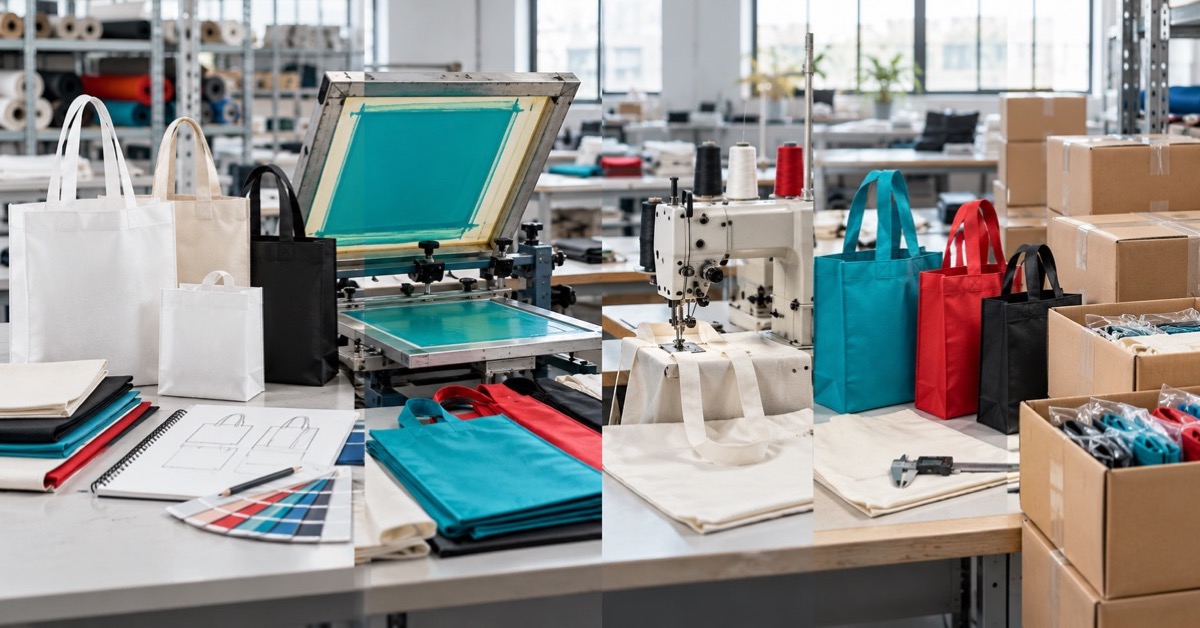
Flexographic, offset, screen, digital and other routes have different preparation, material, coverage, speed and finishing implications. Supplier equipment and bag sequence also matter.
PackMK compares routes against the actual artwork, quantity, bag construction and quality target. It does not label one process as universally cheaper or better.
Separate setup cost from repeat cost
List plates, screens, cylinders, dies, color matching, machine preparation and sample work where relevant. Confirm ownership, storage, usable life and what artwork change requires new setup.
PackMK keeps these items visible so a first order and a true repeat order can be compared honestly. A reorder price may change when tools, materials or files are no longer usable.
Use a quote normalization sheet
| Field | Quote A | Quote B |
|---|---|---|
| Finished size | Named dimensions | Named dimensions |
| Paper | Grade and weight | Grade and weight |
| Method and coverage | Method and coverage | |
| Handles | Type and reinforcement | Type and reinforcement |
| Quantity | Per version and total | Per version and total |
| Delivery | Incoterm and place | Incoterm and place |
PackMK rejects a comparison when critical cells differ or remain blank. The next question is more valuable than a false price ranking.
Handle construction has its own cost tree
Flat paper, twisted paper, rope, ribbon, die-cut and other routes can change components, reinforcement, assembly time, packing profile and user experience. Length, color and attachment method also matter.
PackMK tests the loaded bag before approving a handle upgrade or downgrade. Cost reduction that creates a different functional bag should be named as a new option.
Finishing can add several dependencies
Lamination, varnish, foil, embossing, special textures and interior printing can add materials, tooling, passes, queue time, rejects and inspection points. Effects may interact with folds and handles.
PackMK requests a physical reference and separate price line where practical. A finish should remain only when its visible or functional value justifies the added process risk.
Quantity changes utilization and changeover math
Model total quantity, quantity per artwork, size split, color split and delivery waves. A large total order can still behave like several small runs when many versions require separate setup and packing.
PackMK asks for price breaks based on a stable specification. Comparing quantities while changing material or finish hides the source of savings.
Rejects and inspection belong in the commercial picture
Define defect categories, sampling, first-article approval, report requirements, rework, replacement and quantity tolerance. More demanding evidence can require time and cost but may reduce receiving uncertainty.
PackMK does not assume quality is free or solved by a vague standard. The quotation should show the control route the buyer is actually purchasing.
Packing and freight can reverse a unit-price saving
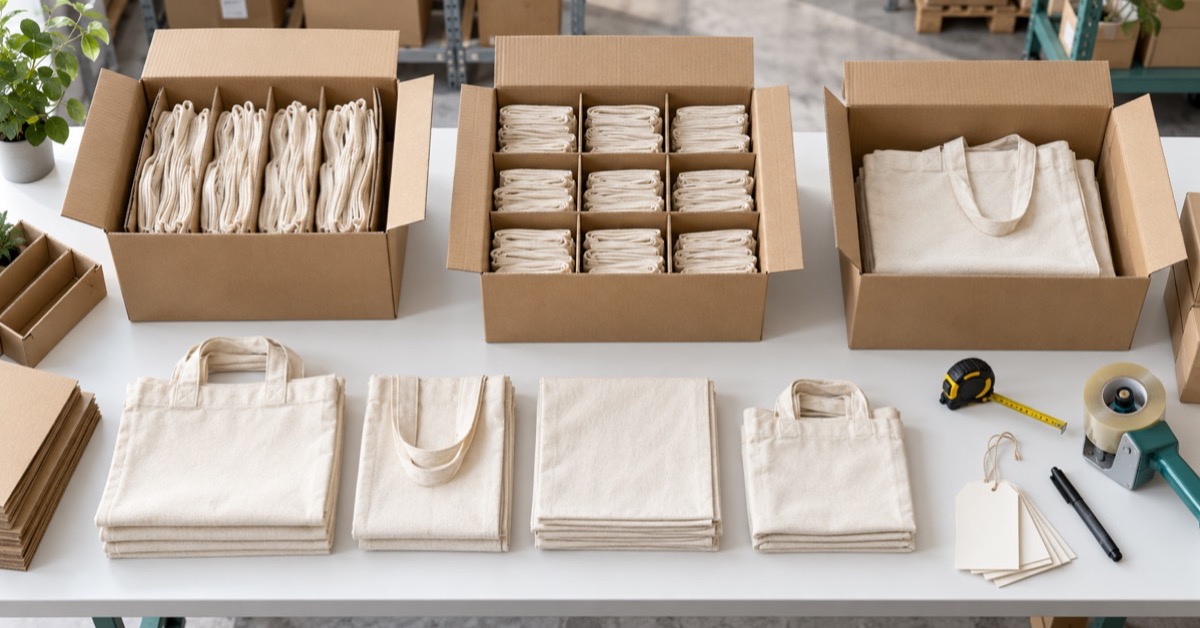
Confirm bundle count, inner protection, master carton, dimensions, weight, palletization, marks, loading and delivery basis. Bulky handles or inefficient bag dimensions can change carton utilization.
PackMK separates ex-factory, shipment and landed-cost assumptions. Incoterm interpretation and duties should be confirmed by qualified commercial parties.
Control paper bag printing cost after approval
Record the approved paper, dieline, print route, colors, coverage, tooling, handles, finish, packing and price basis. State which changes trigger a new quotation or sample.
PackMK turns the cost walk into a reorder baseline. Buyers can then see whether a price movement comes from quantity, input, design, process, packing or delivery.
Cost-walk example: three quotes for one retail launch
A retailer receives three quotes for a medium paper shopping bag. The unit prices differ sharply, but one supplier assumed lighter paper, another excluded rope handles and the third priced one artwork instead of four store versions.
PackMK would normalize finished dimensions, paper construction, ink coverage, print route, handle, reinforcement, finish, quantity allocation, inspection, carton and delivery basis. Setup and recurring costs would be separated.
The normalized sheet may show that the apparent low price requires a structural change or one combined print run. The buyer can then evaluate that option consciously instead of discovering the difference in sampling.
A loaded sample and carton trial would test whether the less expensive route still meets the retail job. If it does, the savings have evidence; if it does not, the comparison identifies the cost of the required function.
The final decision record would preserve the price basis and rejected alternatives. The next reorder can update real variables without rebuilding the entire comparison.
Use quality and trade resources to define quote boundaries
Quality and trade guidance help buyers state ownership, delivery basis and evidence without turning a cost comparison into legal or financial advice. Review ISO quality management principles and ICC Incoterms rules resources as general context. PackMK still releases an order only against the buyer brief, approved samples, production evidence and destination-specific decisions.
Build a paper bag printing cost request from comparable fields
A decision-ready paper bag printing cost brief should define bag dimensions, paper grade, ink coverage, color count, print process, plate cost, handle construction, finishing, order quantity, carton utilization. It should also identify PackMK, paper bag printing cost, kraft paper, offset printing, flexographic printing, screen printing, MOQ, Incoterms. PackMK converts those fields into a quotation basis, approval route and evidence list that purchasing, quality, operations and receiving teams can read consistently.
Ask the supplier to state assumptions, exclusions, approved alternatives, tooling, minimums, inspection scope, packing and lead-time conditions. For paper bag printing cost, every broad promise should become a physical sample question, measurable tolerance, priced option or release gate before the purchase order is confirmed.
Actual prices vary by supplier, location, currency, material market, specification, equipment, capacity, quantity, quality scope, packing and delivery terms. PackMK does not publish a universal price or guarantee future input costs.
A useful paper bag printing cost comparison explains the physical and commercial differences behind each number. PackMK makes those differences visible before the buyer selects a route.
Before approval, PackMK recommends a one-page decision record naming the selected route, rejected alternatives, evidence reviewed, open limitations, quantity basis, owner and review date. After delivery, add receiving observations, defects, user feedback, supplier response and retained references. This learning record prevents the next reorder from relying on memory or an unidentified old sample.
Request a normalized paper bag cost walk from PackMK
PackMK can support paper bag printing cost from buyer brief and physical samples through production checks and export packing. Send the product or application, artwork, quantities, variants, destination and required date to request a structured quotation for paper bag printing cost.
- Explore PackMK custom paper bags
- Review PackMK OEM and ODM support
- Request a normalized paper bag quotation
Paper bag printing cost questions
What information is needed for an accurate quote?
Provide size, paper, structure, print method or artwork, coverage, handles, finish, quantities, versions, packing and delivery basis.
Does more ink always mean a higher price?
Coverage can affect material and process, but the result also depends on print route, colors, run profile and supplier equipment.
Why do four versions cost more than one?
Separate versions can add setup, changeovers, waste, inspection and packing complexity even at the same total quantity.
Are plates included in the unit price?
Suppliers structure quotes differently, so ask for setup and recurring costs to be identified explicitly.
How does paper weight affect cost?
It affects material use and may also change printing, conversion, reinforcement, packing and freight.
Can handle changes reduce cost?
They can, but test whether the new handle construction still meets load, comfort, appearance and packing needs.
Should freight be included in the comparison?
Use the same named delivery basis and place, then add destination costs with qualified commercial support.
Why is a sample still needed after quoting?
The sample verifies that the priced construction, print, handle and finish produce the intended physical result.
What can change a reorder price?
Quantity, material, artwork, tools, capacity, packing, delivery and currency conditions can all change.
How does PackMK normalize quotations?
PackMK aligns specification, quantity allocation, setup, inspection, packing and delivery fields before comparison.