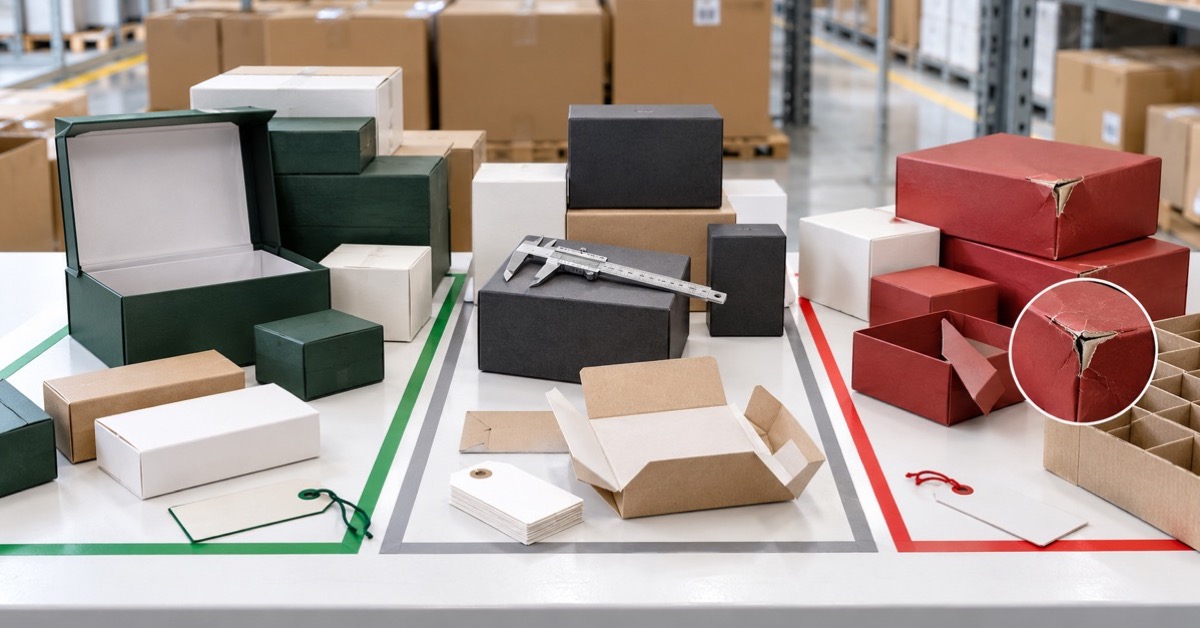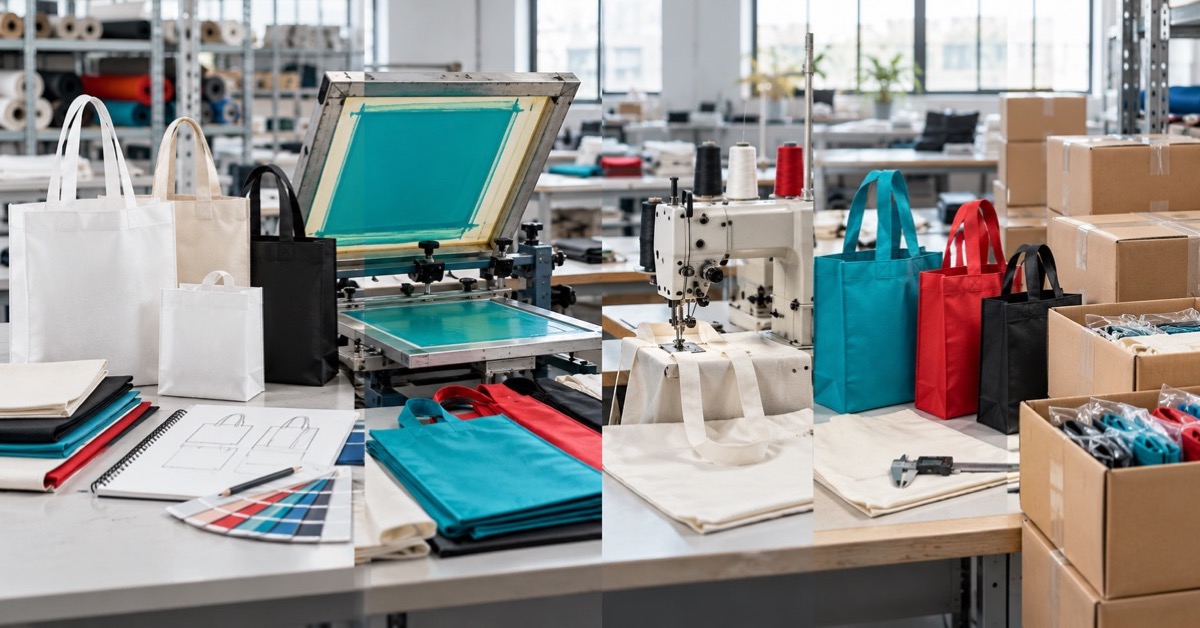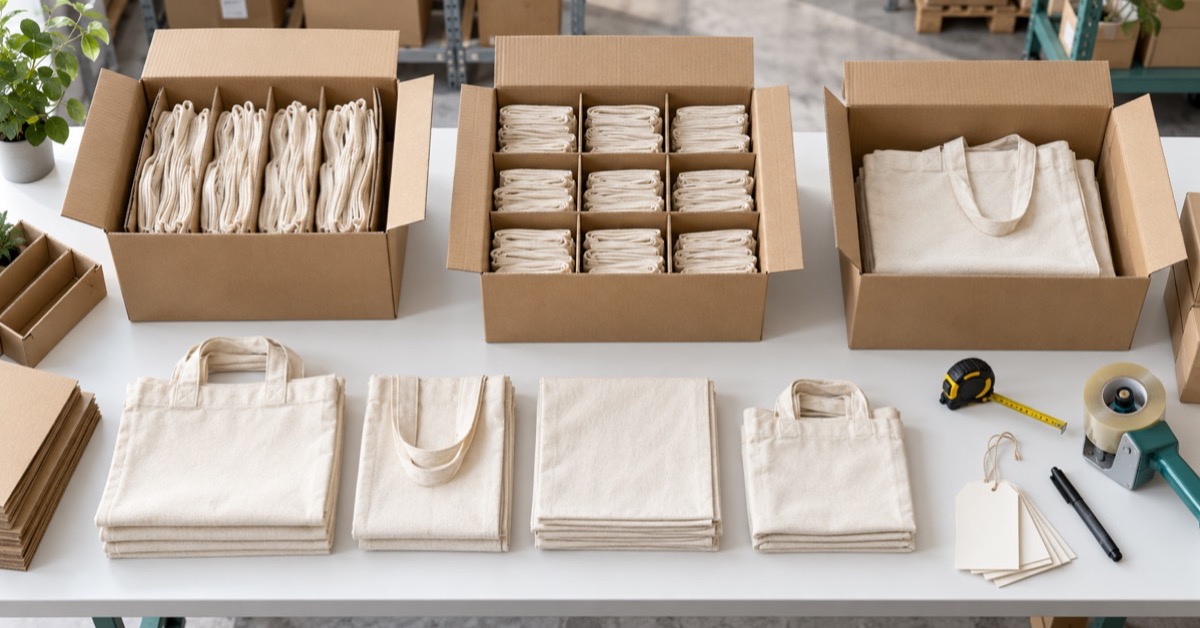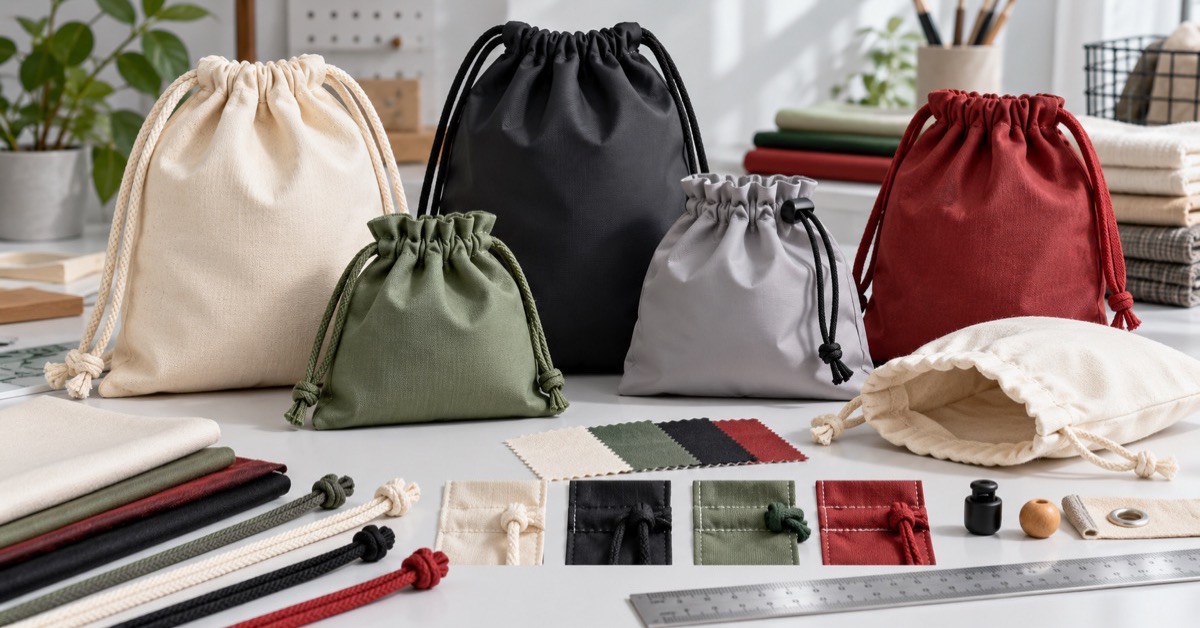


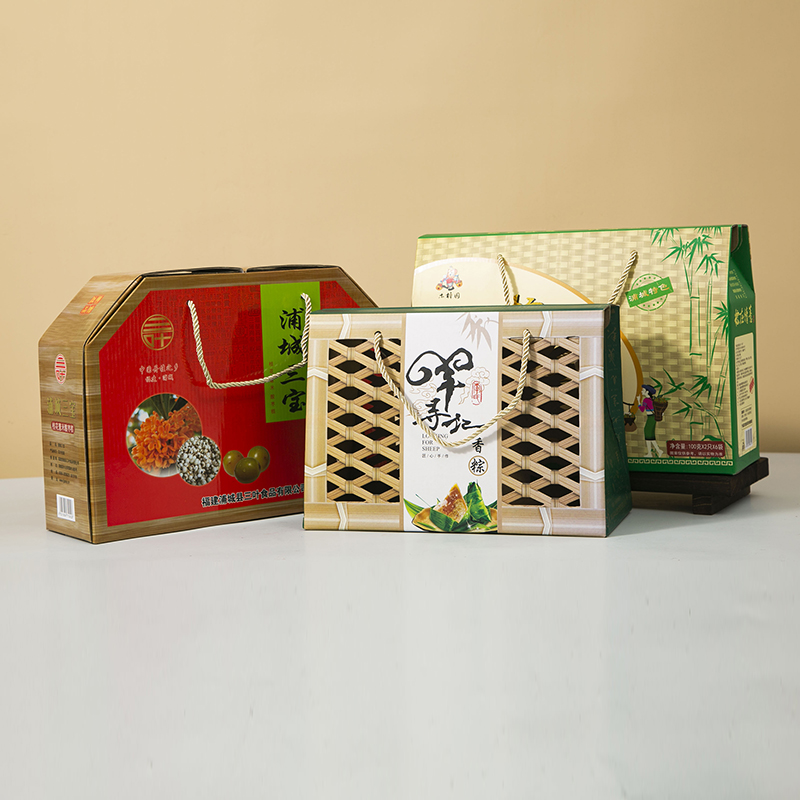
The right packaging manufacturer China supplier is the one whose materials, conversion processes, quality controls and service model fit the actual project. PackMK recommends using a weighted scorecard and a pilot order instead of choosing by factory size, sample appearance or unit price alone.
A supplier can be capable in one category and unsuitable in another. The evaluation should connect every claim to evidence that buyers can inspect, approve and retain.
First define the project the factory must fit
List packaging formats, products, materials, quantities, variants, target market, approval needs and launch timing. Identify the highest-consequence risks: product fit, color, closure, load, compliance content, version mixing or surface damage.
A clear project definition prevents buyers from rewarding impressive but irrelevant equipment.
Map the supplier capability to each process
Ask which steps are completed in-house and which are outsourced: material procurement, printing, lamination, die cutting, sewing, assembly, labels, inspection and export packing. Outsourcing can be acceptable when responsibilities and incoming controls are clear.
Request a process route for the actual item, not a general factory presentation.
Score capability with project evidence
| Area | Weight | Evidence | Buyer question |
|---|---|---|---|
| Category fit | 20% | Similar process samples | Can this route make our specification? |
| Sample process | 15% | Approval stages and records | How are changes controlled? |
| Quality system | 20% | Project checklist and defect flow | What prevents critical failures? |
| Capacity | 15% | Schedule and material plan | Can the mix meet our date? |
| Communication | 15% | Version and action log | Who owns each decision? |
| Packing and reorders | 15% | Carton and retained records | Can output arrive and repeat correctly? |
Audit the sample process, not only the sample
Ask how product data becomes a dieline, how blank structures are approved, how artwork is checked and which sample is production-equivalent. A polished sample has limited value if dimensions, material and changes are not documented.
Review sample lead time, revision ownership and what happens to obsolete files.
Look for a project-specific quality system
The ISO quality management principles provide useful context, but a certificate alone does not define the order. Ask for incoming, first-piece, in-process and final inspection points tied to the product.
Check how critical defects, accepted variation and production deviations are recorded and escalated.
Verify capacity against the real product mix
Equipment lists do not show available capacity. Review material lead time, tooling, staffing, planned output, peak-load orders and the schedule for every version. Hand assembly and complex finishing often control the final timeline.
Ask what happens if one component or outsourced process is delayed.
Test communication and change control
Use one specification, version codes, written approvals and an action log during sampling. Observe whether the supplier summarizes changes accurately and identifies decisions that affect price, quality or timing.
Strong change control is especially important when OEM and ODM responsibilities overlap.
Confirm material and claim evidence
Ask for material specifications and approval references. If certified paper claims are required, the FSC chain-of-custody overview explains traceability context. Verify the order-specific supplier and claim before artwork release.
The product owner should retain responsibility for market-specific compliance and claims.
Inspect export packing as part of product quality
Confirm folding or assembly condition, surface protection, inner packs, carton quantity, labels, orientation and pallet requirements. Open a packed sample after realistic storage and handling to inspect recovery and rubbing.
A correct loose sample can still arrive damaged if export packing was developed too late.
Recognize supplier red flags
| Red flag | Possible consequence | Required response |
|---|---|---|
| Quote without specification assumptions | Scope changes later | Normalize the brief |
| Immediate promise before material review | Unrealistic schedule | Request process timeline |
| No version codes | Wrong artwork production | Create controlled register |
| Sample differs from stated bulk route | Production surprise | Approve equivalent sample |
| Substitution allowed verbally | Uncontrolled quality change | Require written approval |
Use a pilot order to test the operating system
A pilot order can validate production output, inspection, packing, receiving and communication. Set pass-fail criteria before ordering and retain samples from the beginning, middle and end of production.
Review defects, delivery, documentation and corrective action, not only whether the shipment arrived.
Build a repeat-production handover
Keep the final specification, dieline, artwork, materials, physical samples, inspection plan, packing diagram and change history. Confirm which substitutions require written approval and how tools or color references are stored.
Repeat production is the strongest proof that a supplier system works beyond one carefully managed sample.
Evaluate packaging manufacturer China projects with PackMK
PackMK can support buyers seeking a packaging manufacturer China partner across bags, boxes, labels, stickers and printed components. The evaluation begins with category fit and ends with controlled records for inspection and reorders.
Send PackMK the product data, packaging list, quantities, quality risks and schedule to prepare a project route, sample plan and quotation.
- Explore PackMK packaging manufacturing categories
- Review PackMK OEM and ODM capabilities
- Discuss a packaging manufacturer China project
Prepare a focused factory audit
A factory audit should follow the product route from material receipt through production and packing. Select questions around the project's highest risks rather than using a generic checklist with equal weight for every department.
During a remote audit, request live views of relevant equipment, material identification, in-process checks and retained samples instead of relying only on prepared slides.
Compare commercial scope as carefully as equipment
Normalize development fees, tooling, samples, material assumptions, inspection, packing and delivery terms. Ask how price changes are approved and how long quotations remain valid. A technically capable supplier can still create commercial risk when scope is unclear.
Use the same brief for every shortlisted packaging manufacturer China proposal.
Check sample-to-production parity
Confirm that the approved sample uses the intended material, print process, tooling and assembly route. Handmade presentation samples may show design intent but not production variation. Request a production-equivalent approval before the main quantity.
Record every difference between the design sample and bulk route, including finish, glue, sewing or packing.
Evaluate corrective action behavior
Present one realistic defect scenario and ask how the supplier would contain stock, identify cause, verify correction and prevent recurrence. Strong answers name records, owners and evidence rather than promising that the problem cannot happen.
After a pilot order, judge the speed and quality of corrective action alongside the original defect rate.
Use the supplier scorecard after delivery
The supplier scorecard should continue through sampling, production, shipping and receiving. Update scores with version accuracy, schedule, inspection findings, packing recovery, documentation and response to issues.
PackMK can support a pilot order and repeat-production review so the chosen packaging manufacturer China route is evaluated by operating evidence, not only initial claims.
Check business continuity for critical processes
Ask how the supplier manages equipment failure, material shortage, staff peaks and unavailable subcontractors. Review alternative equipment or approved sources for the processes most likely to stop the project. A continuity answer should explain notification and approval, not promise an invisible substitution.
For time-sensitive launches, identify the last date when a delay can be recovered without changing freight or launch scope.
Define the buyer's own responsibilities
Supplier selection cannot correct missing product data, late artwork or unclear claims. The buyer should provide controlled inputs, timely decisions and qualified market review. Assign one person to consolidate feedback so the factory does not receive conflicting approvals.
A balanced project scorecard separates supplier performance from buyer-caused delay and makes the next sourcing decision more accurate.
Document response deadlines for proofs, samples and deviations. The production schedule should show which buyer approval releases material or capacity so accountability remains visible to both teams.
Packaging manufacturer China selection questions
How should buyers choose a packaging manufacturer China supplier?
Define the product, packaging format, quality risks, quantities and service needs, then compare evidence against the project rather than ranking factories by price alone.
What capabilities should a packaging factory show?
The supplier should explain which materials, printing, conversion, assembly, inspection and packing steps it controls and which are outsourced.
Why is the sample process important?
Sampling shows whether the supplier can convert a brief into controlled structure, artwork, material and approval records before bulk production.
What quality evidence should buyers request?
Ask for inspection flow, first-piece controls, critical tolerances, defect handling, version separation and examples of project-specific checklists.
How can buyers check production capacity?
Review equipment, staffing, material lead times, typical output, peak-load planning and the proposed schedule for the actual order.
Does a factory need to make every component in-house?
Not necessarily. Outsourcing can be acceptable when responsibilities, approved suppliers, incoming checks and final quality ownership are clear.
What communication records protect a packaging project?
Use one specification, version codes, written approvals, action owners, change logs and a clear route for production deviations.
How should export packing be evaluated?
Confirm inner protection, pieces per carton, carton strength, labels, orientation, pallet needs and whether finished surfaces recover after transport packing.
Should buyers start with a pilot order?
A pilot can validate production output, inspection, packing, receiving and communication before a larger commitment, especially for a new structure or supplier.
How can PackMK support supplier evaluation?
PackMK can align bags, boxes, labels and printed components with documented samples, quality checks, packing details and repeat-order records.