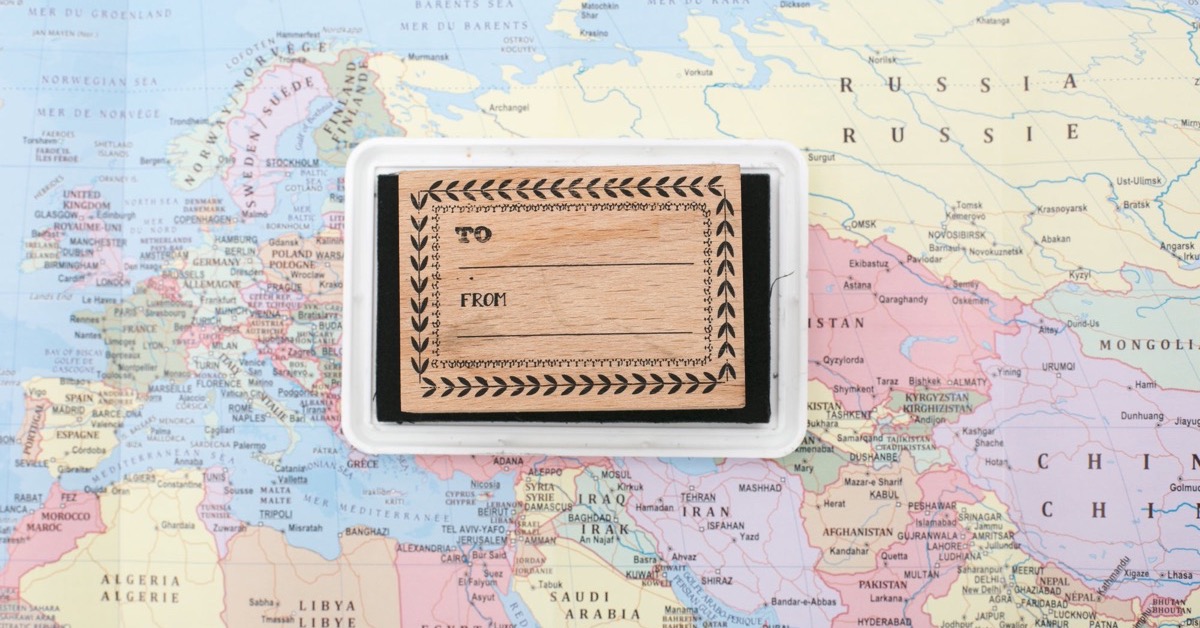


OEM product labels do more than show a logo. They help customers identify the product and help retailers or warehouses scan, sort and track it. A small label can cause big problems if the adhesive, material or barcode is wrong.
Define the label job first
A front brand label needs strong visual clarity. A barcode label needs scanning reliability. A seal label needs adhesive that stays in place. The use case decides the material and format.
Material and format choices
| Need | Possible direction | Check |
|---|---|---|
| Dry box label | Paper label | Print clarity and glue |
| Bottle label | PP or PET film | Water and curve adhesion |
| Barcode label | Roll label | Scan quality and placement |
| Premium clear look | Transparent film | Background visibility |
Barcode details matter
For OEM product labels with barcodes or QR codes, test the proof at actual size. GS1 US provides barcode placement guidance that buyers can use as a reference.
Test on the real surface
Apply the label to the actual product or package. Check peeling, bubbles, edge lift and readability after handling. This simple step is especially useful for curved bottles or textured packaging.
PackMK can review artwork, material and roll or sheet format for OEM product labels. See PackMK products, read About Us, or send artwork and quantity through Contact Us.
Clear application details help OEM product labels perform well after shipment.
FAQ
What should OEM product labels include?
They may include logo, product name, barcode, SKU, batch code, ingredients, warnings or usage details.
Do barcode labels need testing?
Yes. Barcode size, contrast and placement should be checked at actual print size.
Which label format should I choose?
Roll labels suit repeated application, while sheets can be easier for smaller manual use.
What surface details should I send?
Tell the supplier whether the label goes on paper, plastic, glass, metal, fabric or a curved surface.