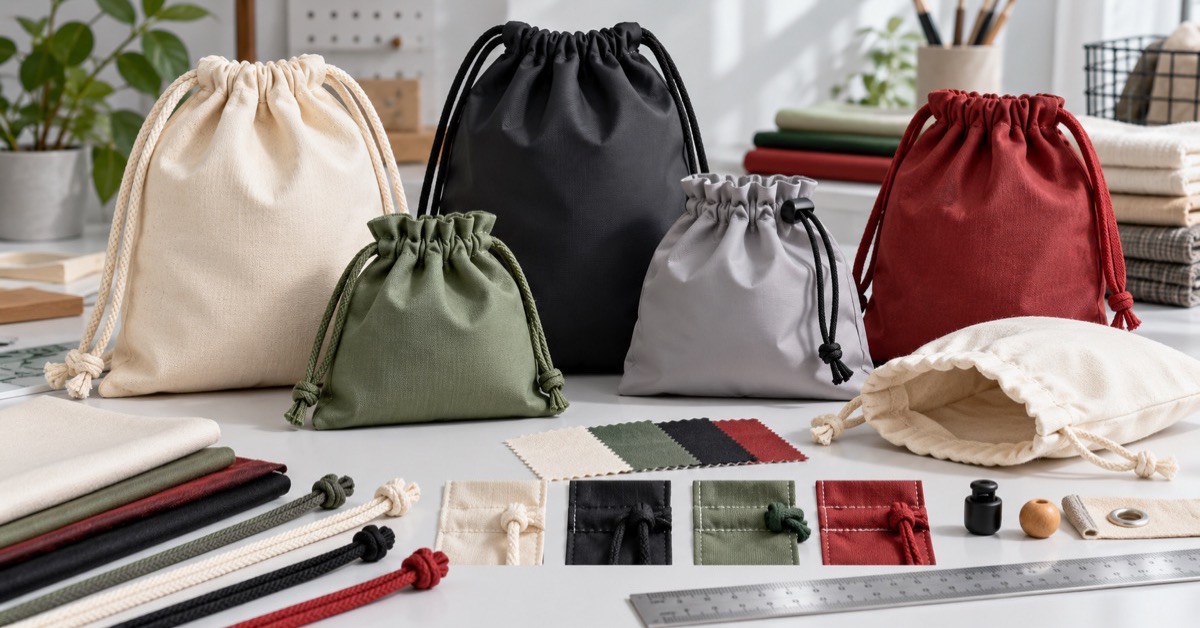


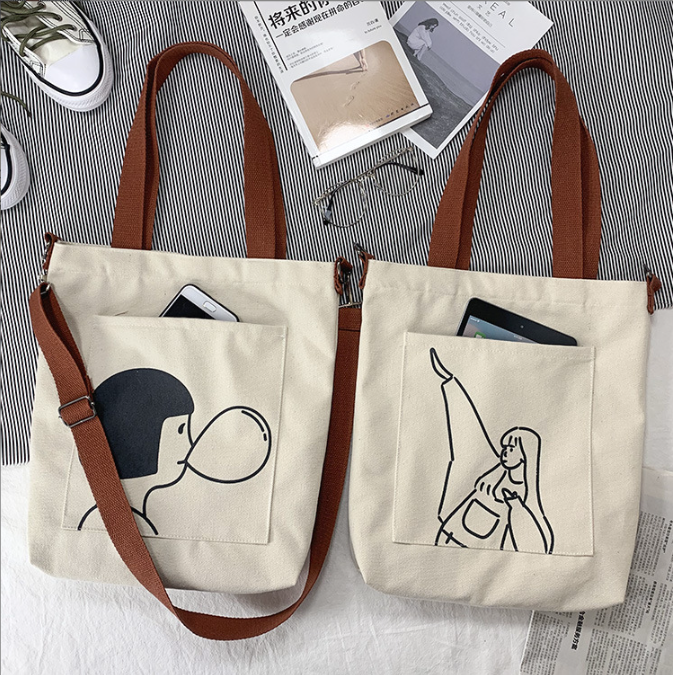
A packaging bag is part of the product experience, not merely an outer shell. ODM packaging bags should be selected from the contents, handling route, display moment and repeat-order needs before a material or logo is chosen.
PackMK uses a use-case map so the buyer can compare a paper, cotton, non-woven or other route against the actual job. The useful question is not which bag looks best in isolation, but which format performs the whole journey.
Direct answer: Choose ODM packaging bags by matching product load, handling, opening, material, branding, storage and delivery route, then validate the selected format with a production-equivalent sample.
Start with the job the bag must perform
| Use case | Primary need | Evidence |
|---|---|---|
| Retail handoff | Fast access | Loaded handling |
| Gift presentation | Appearance | Finished sample |
| Travel or carry | Comfort | Distance trial |
| Storage | Protection | Stacking check |
| Repeat sale | Reorder stability | Controlled file |
Use case one: the bag completes a retail handoff
Record what the shopper places inside, how quickly the bag is filled, how far it travels and whether the branding must remain visible while carried.
PackMK times a realistic handoff and checks opening, balance, handle comfort, load movement and the moment at which the bag becomes difficult to use.
Use case two: the bag protects a gift experience
Define first impression, surface feel, print visibility, tissue or insert needs, closure and the way the recipient removes the product.
A premium appearance still needs production evidence. Approve the formed and finished bag after folding, packing and handling rather than only a flat visual.
Use case three: the bag must travel with the customer
State filled weight, carry distance, hand positions, weather exposure, repeated use and any sharp or bulky contents.
Run loaded distance and lifting trials while checking handle attachment, seam behavior, bottom shape, balance and print rubbing.
Use case four: the bag waits in storage
Define folding, stacking, moisture, sunlight, carton pressure, odor and the period before the bag reaches the end user.
PackMK inspects production-equivalent packing and recovery. A material that looks good at the factory may crease, transfer print or lose shape during storage.
Compare material routes with the same evidence
For each candidate, record:
- paper or textile construction;
- basis weight or physical reference;
- surface and print route;
- load and seam behavior;
- folding and packing cube;
- storage and handling limits;
- approved alternatives and minimums.
The comparison should keep use conditions constant so material preference does not hide a different functional standard.
Choose the opening and branding together
| Decision | Why it changes | Check |
|---|---|---|
| Open top | Fast access | Fill trial |
| Drawcord | Retention | Cycle test |
| Handle drop | Comfort | Loaded carry |
| Print zone | Visibility | Filled sample |
| Patch or seam | Strength | Repeated lift |
Let the product define the usable capacity
Record the smallest, common and maximum product sets. Include clearance, tipping, bulky edges, inserts, tissue and the way staff actually load the bag.
Flat dimensions are not enough for flexible packaging. PackMK measures empty and filled conditions and links the result to the intended product mix.
Make the sample prove the selected route
The sample should use the intended material, dimensions, construction, print, handles, closure and packing presentation. State which remaining risks still need a run check.
A sample is a decision tool. It should show what the buyer is approving and what the factory must keep unchanged in production.
Plan the reorder before launch
Retain specification, artwork, material, color, measurement method, inspection, carton standard, accepted deviations and version owner.
PackMK treats the reorder file as part of the first quotation. This prevents the second order from becoming a different bag because a visual reference was lost.
Use ODM as managed choice, not open-ended invention
ODM can shorten development when the supplier contributes proven formats, materials or construction options. The buyer still needs ownership of claims, files, approval gates and changes.
The best route shows which decisions PackMK can propose, which the buyer must approve and which require new testing before release.
Scenario: one brand serves two very different channels
A brand may sell the same product through a boutique and a subscription shipment. The boutique needs immediate presentation and comfortable carrying; the subscription route may prioritize folded storage, carton cube and protection during parcel handling. Using one bag without testing both routes creates a false economy.
PackMK would keep the brand architecture shared while allowing separate dimensions, closures or packing rules where the channel requires them. The buyer can then compare total cost and customer experience instead of forcing the same physical solution everywhere.
The decision remains auditable because the differences are tied to use conditions, not taste. Each channel receives its own sample evidence, quantity plan, carton mark and reorder note while the shared artwork rules remain controlled.
This is also where limitations matter. A bag cannot promise protection, sustainability or durability beyond the defined material and test conditions. PackMK records those boundaries so sales language does not outrun the approved product.
The same channel comparison should be repeated at reorder time. Demand may shift, packaging may be consolidated, or a new fulfillment partner may change the packing route. A retained brief lets the buyer reopen only the affected fields instead of redesigning the whole range.
This use-case method also gives sales teams a clearer answer when customers ask for a different size or material. They can explain the evidence behind the recommendation, the cost and lead-time effect, and which sample is needed before a new promise is made.
Use material and quality resources as context
Material references can improve vocabulary and responsible sourcing questions, while actual contents, handling and finished samples control acceptance. Review Textile Exchange standards overview and ISO quality management principles as context. PackMK still bases release on the actual brief, samples, production route and buyer-approved conditions.
Specify ODM packaging bags by use case
A useful ODM packaging bags brief defines product use case, content profile, bag format, material choice, load path, opening experience, brand placement, packing route, sample evidence, reorder logic. It also identifies PackMK, ODM, packaging bag, cotton, non-woven, paper, MOQ, carton. PackMK turns those fields into evidence that sourcing, quality and operations can verify.
Ask suppliers to state assumptions, exclusions, approved alternatives, tooling, minimums, inspection scope, packing and lead-time conditions. For ODM packaging bags, an unclear promise should become a sample question, a priced option or a release condition before the purchase order is confirmed.
A use-case map does not replace product-specific safety, regulatory or performance review. Different contents, markets, closures or claims may require separate qualified checks.
The strongest ODM packaging bags program connects product story with physical evidence. PackMK helps buyers make the tradeoffs visible before selecting a format and protects the decisions that should survive into the reorder.
Before approval, PackMK recommends a short decision memo stating the chosen route, rejected alternatives, evidence reviewed, open limitations, quantity assumption, responsible owner and review date. This keeps the work useful beyond the first quote. If the product, market, material, packing or delivery route changes, the buyer can reopen only the affected decision instead of repeating a broad search. After delivery, record what worked, what failed, how the supplier responded and which evidence should be retained. This creates a practical learning loop for sourcing, quality and operations and prevents a good first sample from becoming an uncontrolled second order.
The decision should also name what is not being promised. A sample, certificate, supplier statement or past shipment can support a question, but it cannot automatically prove every future condition. PackMK keeps limitations beside the approval record so sales, procurement and quality teams use the same language. That protects trust and makes the next comparison more efficient when quantity, customer, surface or delivery route changes.
Develop ODM packaging bags with PackMK
PackMK can support ODM packaging bags from buyer brief and samples through production checks and export packing. Send PackMK the product or application, artwork, quantities, variants, destination and required date to request a structured quotation for ODM packaging bags.
- Explore PackMK packaging bag formats
- Review PackMK OEM and ODM support
- Request an ODM packaging bag quotation
ODM packaging-bag questions
What should I send before developing ODM packaging bags?
Provide product dimensions, contents, load, use case, channel, artwork, quantity, material preference, packing, destination and date.
How is bag format selected?
Match opening, capacity, carry, protection, appearance, storage, packing cube and repeat-order needs to the actual route.
Is one bag suitable for every sales channel?
Not always. Retail, gift, parcel and subscription routes can require different capacity, closure, packing or protection evidence.
How should materials be compared?
Use the same load, handling, branding, packing and storage conditions for each candidate so the comparison is fair.
What should a sample prove?
It should identify the material, finished dimensions, construction, branding, load behavior, opening and packing presentation.
How are brand and product variations controlled?
Keep shared brand rules separate from variable product, channel, market and quantity fields in a coded specification.
What belongs in final inspection?
Check material, dimensions, seams, handles, branding, function, quantity, versions, bundles and cartons.
What protects a reorder?
Retain material references, artwork, samples, measurements, inspection, packing, deviations and approved alternatives.
How are ODM changes approved?
Assign owners and require a change record showing affected files, samples, cost, timing and any reopened test.
How does PackMK support ODM packaging bags?
PackMK coordinates use-case mapping, format development, samples, production checks, packing and reorder control.