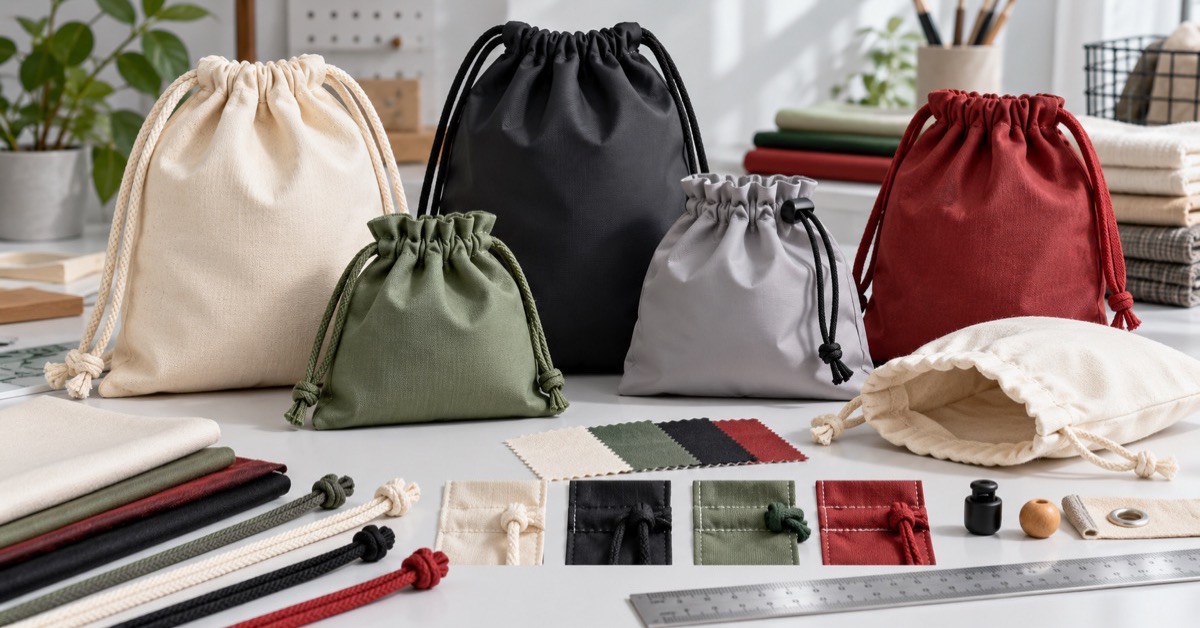


An advertising-bag program rarely has one deadline. Artwork freeze, sampling, launch, regional distribution and replenishment each create a different decision point. ODM advertising bags need a version map that connects these dates to materials, quantities and physical approvals.
PackMK works backward from the handoff experience and campaign calendar. The aim is to keep creative development flexible while preventing late changes from entering production without a visible cost, schedule and quality decision.
PackMK begins with the buyer's operating question, the physical reference and the decision owner. The working brief records assumptions, tolerances, open risks and the evidence needed before quantity, price or schedule is treated as firm.
Milestone 1: define the recipient action
Describe what recipients place in the bag, how far they carry it and whether the bag is intended for one event or continued use. PackMK connects this decision to the campaign calendar, version owner, distribution point and reorder file so creative changes do not become silent production changes.
Simulate the actual handoff with representative contents and observe filling, grip, balance and message visibility. This reduces a visually strong design failing at the campaign moment. Store the result beside the live specification so quotation, sampling, production, inspection and reorders use the same basis.
Milestone 2: map every campaign date
List creative freeze, sample review, production release, warehouse receipt, kitting, distribution, event and replenishment dates. PackMK connects this decision to the campaign calendar, version owner, distribution point and reorder file so creative changes do not become silent production changes.
Add the decision owner and latest safe change point beside every date. This reduces one late approval quietly consuming all production contingency. Store the result beside the live specification so quotation, sampling, production, inspection and reorders use the same basis.
Milestone 3: separate audiences and locations
Record the contents, setting, weather, walking distance and brand message for each audience or distribution point. PackMK connects this decision to the campaign calendar, version owner, distribution point and reorder file so creative changes do not become silent production changes.
Group variants only where construction and handling needs are genuinely shared. This reduces one generic bag being forced across incompatible uses. Store the result beside the live specification so quotation, sampling, production, inspection and reorders use the same basis.
Milestone 4: set the load envelope
Define common and maximum contents, filled weight, sharp edges, bulky items and any brochures that must remain flat. PackMK connects this decision to the campaign calendar, version owner, distribution point and reorder file so creative changes do not become silent production changes.
Load sample bags in normal and off-center arrangements, then repeat lifting and carrying. This reduces a nominal size concealing poor usable capacity. Store the result beside the live specification so quotation, sampling, production, inspection and reorders use the same basis.
Milestone 5: choose a material route
Compare paper, non-woven, cotton, canvas or other options against handling, print, storage, packing cube and desired life. PackMK connects this decision to the campaign calendar, version owner, distribution point and reorder file so creative changes do not become silent production changes.
Review finished decorated samples and record any evidence required for material claims. This reduces material vocabulary replacing product performance. Store the result beside the live specification so quotation, sampling, production, inspection and reorders use the same basis.
Milestone 6: design the opening and handles
Set opening access, handle type, drop, width, reinforcement and comfort for the real loading process. PackMK connects this decision to the campaign calendar, version owner, distribution point and reorder file so creative changes do not become silent production changes.
Time filling and handoff, then run loaded carry cycles with representative users. This reduces a handle that photographs well but slows distribution. Store the result beside the live specification so quotation, sampling, production, inspection and reorders use the same basis.
Milestone 7: build the artwork family
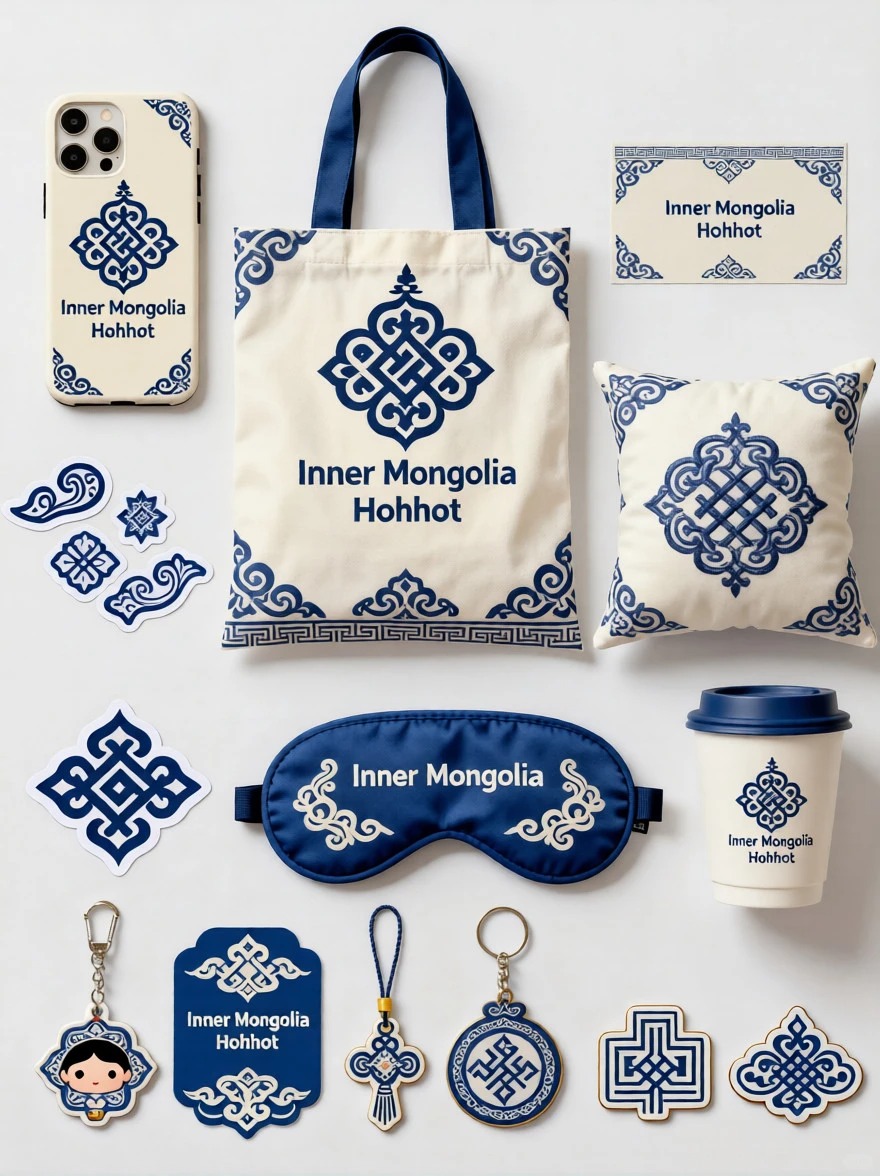
Lock shared brand hierarchy, safe areas, mandatory copy and variable zones for events, regions, sponsors or codes. PackMK connects this decision to the campaign calendar, version owner, distribution point and reorder file so creative changes do not become silent production changes.
Create a master layout and representative worst-case versions before multiplying files. This reduces every new version reopening the full design. Store the result beside the live specification so quotation, sampling, production, inspection and reorders use the same basis.
Milestone 8: code every version
Give each artwork, bag specification, quantity allocation, inner bundle and carton a unique version identity. PackMK connects this decision to the campaign calendar, version owner, distribution point and reorder file so creative changes do not become silent production changes.
Trace a selected carton back to the approved file and destination plan. This reduces correct bags reaching the wrong campaign location. Store the result beside the live specification so quotation, sampling, production, inspection and reorders use the same basis.
Milestone 9: approve production-equivalent samples
Use intended material, print method, construction, handles and finishing for the signed reference. PackMK connects this decision to the campaign calendar, version owner, distribution point and reorder file so creative changes do not become silent production changes.
State which features are final and which remain subject to a named production check. This reduces a presentation mockup being mistaken for manufacturing proof. Store the result beside the live specification so quotation, sampling, production, inspection and reorders use the same basis.
Milestone 10: freeze allocation
Confirm quantity by version, location, overage rule, spare stock, bundle count and delivery sequence. PackMK connects this decision to the campaign calendar, version owner, distribution point and reorder file so creative changes do not become silent production changes.
Reconcile the approved allocation with purchase order, production plan and warehouse instructions. This reduces an accurate total hiding a regional shortage. Store the result beside the live specification so quotation, sampling, production, inspection and reorders use the same basis.
Milestone 11: release the first article
Check the current material, dimensions, construction, color, artwork identity, handles and packing marks at setup. PackMK connects this decision to the campaign calendar, version owner, distribution point and reorder file so creative changes do not become silent production changes.
Photograph measuring methods and record who can stop or release production. This reduces one approved sample failing to control the real run. Store the result beside the live specification so quotation, sampling, production, inspection and reorders use the same basis.
Milestone 12: monitor mixed production
Sample across time, lines, shifts and artwork versions while keeping work in progress separated. PackMK connects this decision to the campaign calendar, version owner, distribution point and reorder file so creative changes do not become silent production changes.
Use named defect categories and reconcile accepted, rejected and reworked quantities by SKU. This reduces version mixing or drift spreading through the order. Store the result beside the live specification so quotation, sampling, production, inspection and reorders use the same basis.
Milestone 13: test packing and dispatch
Set folding, inner packs, carton strength, marks, pallet layout and location-specific loading order. PackMK connects this decision to the campaign calendar, version owner, distribution point and reorder file so creative changes do not become silent production changes.
Open a packed carton and simulate warehouse picking or event replenishment. This reduces good bags becoming slow or error-prone at distribution. Store the result beside the live specification so quotation, sampling, production, inspection and reorders use the same basis.
Milestone 14: close the campaign loop
Record consumption, leftovers, damage, recipient feedback, version errors and replenishment needs after the event. PackMK connects this decision to the campaign calendar, version owner, distribution point and reorder file so creative changes do not become silent production changes.
Compare the results with the forecast and revise the retained program brief. This reduces the same planning errors returning in the next campaign. Store the result beside the live specification so quotation, sampling, production, inspection and reorders use the same basis.
Put campaign dates beside production decisions
| Date | Decision | Evidence |
|---|---|---|
| Creative freeze | Version scope | Coded proof |
| Sample review | Material and build | Signed bag |
| Run release | Setup | First article |
| Warehouse receipt | Counts and marks | Receiving check |
| Event | Handoff | Field feedback |
Control variation without losing the brand
| Field | Shared | Variable |
|---|---|---|
| Construction | Load standard | Size if required |
| Brand | Hierarchy | Campaign message |
| Artwork | Safe areas | Sponsor or region |
| Packing | Protection | Destination mark |
| Reorder | Core file | Quantity and date |
Use textile and quality references as context
External guidance can improve material language and process discipline, but campaign-specific handling and signed production evidence control acceptance. Use Textile Exchange standards overview and ISO quality management principles as context. The actual product, signed sample, production records and buyer-approved conditions remain the release evidence in the PackMK file.
Specify ODM advertising bags with a campaign map
For ODM advertising bags, define campaign calendar, audience, distribution point, product load, material route, artwork version, allocation plan, first article, carton mark, reorder file. The controlled record also identifies PackMK, ODM, advertising bag, cotton, non-woven, SKU, MOQ, carton. These fields turn a search phrase into a quotation and inspection language that different teams can apply consistently.
Require suppliers to state exclusions, approved alternatives, minimums, tooling, setup, testing, packing and lead-time assumptions. A vague item should become a priced option, a sampling question or a release condition rather than remain an informal promise.
Match every proof to the risk it can actually answer. A material swatch can support color or hand-feel review, but it does not prove finished construction, application, run consistency, transit protection or receiving accuracy. Assign the later check before approving the sample.
After the first shipment, compare receiving results with the signed sample and inspection record. Document what predicted the result, what changed and which field should be revised. PackMK moves that learning into the next controlled brief rather than leaving it in separate messages.
This buyer-question method keeps ODM advertising bags useful across sourcing, marketing, quality and operations. It makes tradeoffs visible, gives every decision an owner and creates a recovery route when artwork, material, quantity, destination or timing changes.
Build an advertising-bag program with PackMK
PackMK can develop ODM advertising bags from buyer brief and physical samples through production checks and export packing. Send PackMK the intended use, contents or surface, artwork, quantity, variants, destination and required date to request a structured quotation for ODM advertising bags.
- Explore PackMK advertising bag formats
- Review PackMK OEM and ODM support
- Request an ODM advertising bag quotation
Advertising-bag campaign questions
What should an advertising-bag development brief include?
Include the campaign objective, dates, audiences, contents, load, locations, materials, artwork versions, quantities, packing and delivery plan.
When should artwork be frozen?
Set a latest safe date from the material, sampling, production, inspection and delivery route, then price or schedule any later change visibly.
How should campaign variants be coded?
Use unique codes on files, proofs, work orders, bundles, cartons, allocation records and receiving documents.
How is bag size selected?
Load the common and maximum content sets and check access, closure, balance, message visibility and packing cube.
Which material is suitable for an advertising bag?
Choose according to load, handling, intended life, print, storage, packing, budget and evidence required for any claim.
What should a signed sample prove?
It should identify material, dimensions, construction, handles, print, artwork version, loaded use and packing presentation.
How are regional quantities controlled?
Link each version and destination to approved quantities, overage rules, bundle counts, carton marks and a final reconciliation.
What belongs in production inspection?
Check material, size, seams, handles, print, version, loaded function, quantity, bundles, cartons and destination marks.
What should be recorded after the campaign?
Record usage, leftovers, damage, version errors, distribution speed, feedback and the assumptions that should change.
How does PackMK support campaign programs?
PackMK coordinates the brief, samples, version control, production checks, allocation, export packing and retained reorder file.