

A factory tour can be impressive and still miss the operation most likely to fail. Rows of machines say little about roll identity, print changeover, weld settings, handle reinforcement, in-process checks or the way rejected bags are separated. A useful review of a non woven bag factory China follows one defined bag through the actual production sequence.
PackMK treats the walk as a trace exercise. We begin with a released code and ask each station what it receives, what it changes, what it checks and what record moves forward. The aim is not to collect theatrical photos. It is to learn whether the line can repeat the approved construction and contain an exception before it reaches a carton.
Short answer: Audit a non woven bag factory China by tracing one bag code through material receiving, conditioning, printing, cutting, sealing or sewing, handle attachment, in-process testing, counting and carton release, then checking whether each handoff preserves identity.
Choose the trace bag before the visit
Send a one-page definition with finished dimensions, gusset, material type and weight, handle construction, reinforcement, print, quantity and case pack. Mark any approved alternative. A generic tote does not give the line enough detail for a meaningful walk, and a showroom sample may not represent the requested process.
PackMK selects the difficult feature as the trace point. It may be a full-color panel, a long handle, a bottom gusset, a small seam allowance or a mixed-SKU pack. Following that feature keeps the review tied to the buyer's risk rather than the factory's easiest example.
Follow a non woven bag factory China line in sequence
| Station | Input identity | Process question | Evidence |
|---|---|---|---|
| Roll receiving | Supplier, lot, weight and color | How is the roll accepted? | Receiving record |
| Printing | Artwork, ink and panel | How is first-off approved? | Marked print sample |
| Cutting | Size, direction and allowance | What controls drift? | Measured pieces |
| Joining | Seam or weld settings | Which checks run in line? | Test log |
| Packing | Bag code and count | How are versions separated? | Carton release |
PackMK asks the operator to show the current record, not describe a perfect future process. A blank form and a completed record answer different questions.
Read the roll label before touching the machine
The roll should connect to material supplier, lot, nominal weight or thickness, width, color and receiving status. Ask how off-color, damaged, wet or out-of-range rolls are marked and isolated. If recycled content or another material attribute matters, keep the supporting document attached to the specific purchased material rather than to a broad factory claim.
PackMK compares roll identity with the approved sample and purchase order. We also note storage, conditioning and the point where a partial roll loses or keeps its label. Traceability often breaks after the first roll is opened, not at the receiving door.
Watch a print changeover, not only a print run
Ask how artwork is retrieved, plates or screens are identified, inks are prepared and the previous version is removed. The first acceptable piece should carry an approval time and owner. Keep color targets practical for the substrate and process; a monitor image is not a production reference.
During the run, look for registration drift, pinholes, rub, setoff and inconsistent coverage near seams or folds. PackMK records the sampling interval and the response to a failed check. A factory that finds defects but mixes them back into work-in-process has not contained the problem.
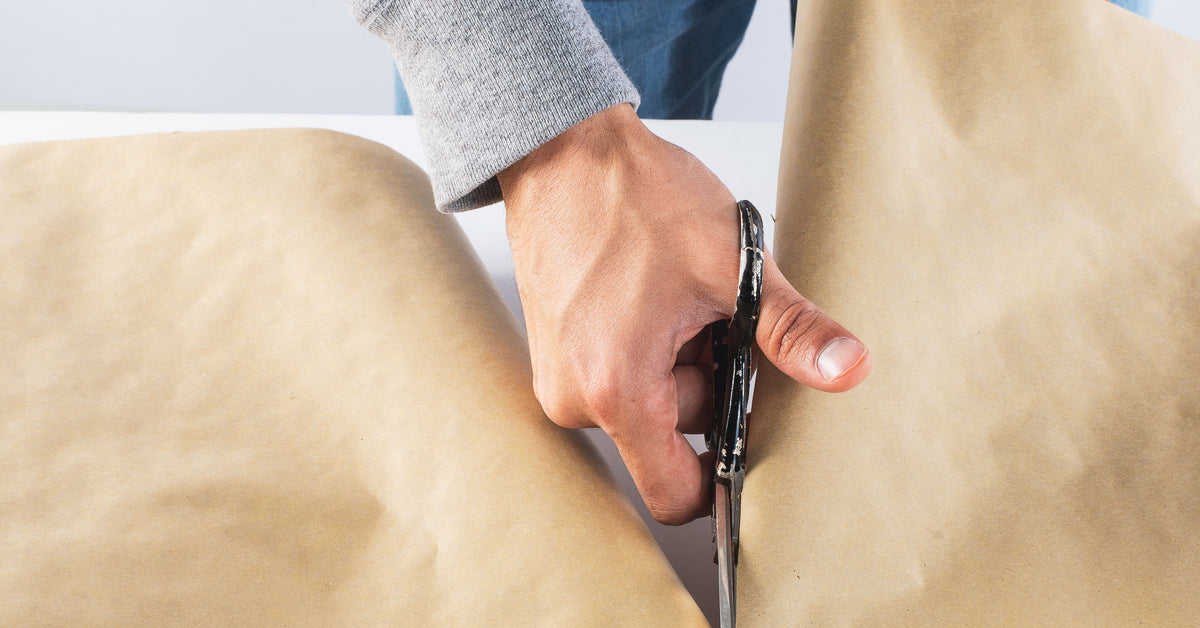
Stand beside cutting and joining
At the conversion stations, check a small set of facts repeatedly:
- finished width, height, gusset and opening;
- cut direction, edge condition and seam allowance;
- weld or stitch position and continuity;
- handle length, spacing and reinforcement;
- temperature, pressure, speed or stitch settings used for the job;
- start-up pieces, repairs and rejected units.
PackMK links each measurement to the bag code and time. A single good piece at the end of the tour does not show whether the process stayed centered through a shift.
Match the check to the likely failure
| Feature | Simple check | Failure signal | Next question |
|---|---|---|---|
| Opening | Measure and load | Tight or uneven access | Cut or seal drift? |
| Handle | Spacing and pull check | Peel or tear near joint | Reinforcement or setting? |
| Body seam | Visual and defined load | Skipped bond or opening | Contamination or speed? |
| Reference comparison and rub | Shift, transfer or weak cure | Ink, surface or hold? | |
| Count | Independent carton count | Short or mixed pack | Bundle and reconciliation? |
The table is a starting point, not a universal test method. PackMK writes the actual load, dwell, sample size and acceptance rule for the order so the result can be repeated.
Ask the line leader one useful question
Show me the last time this check failed, where the affected quantity was held and who decided what happened next.
The answer reveals more than a polished capability list. PackMK looks for a dated record, a physical identification method and a decision path that prevents questionable bags from moving quietly to packing.
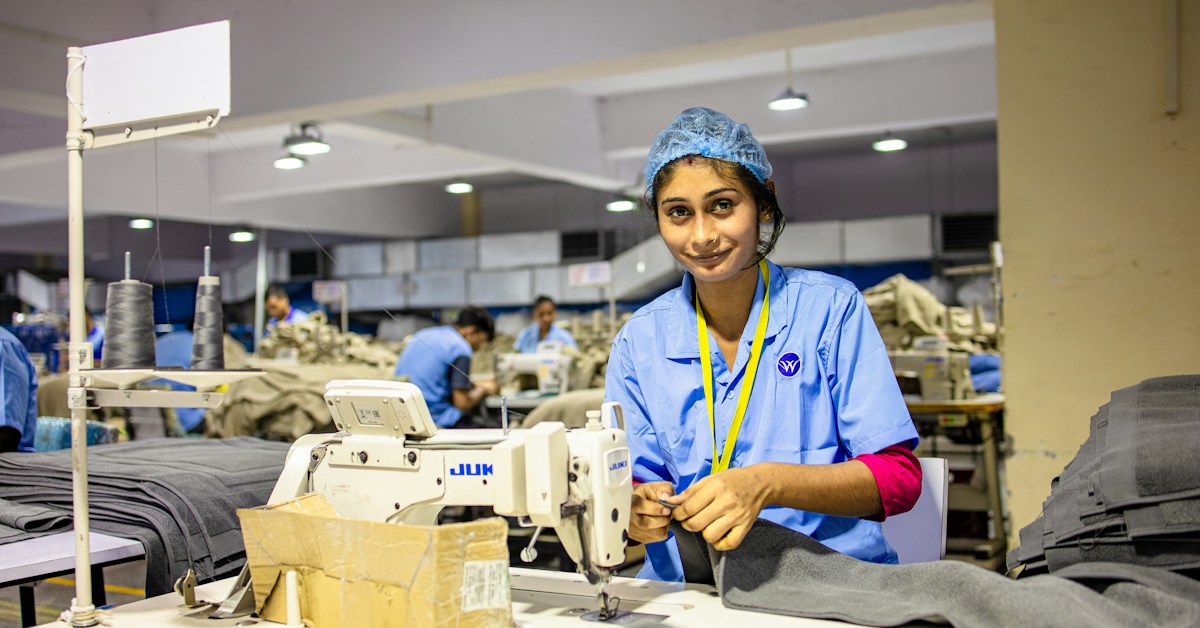
Look for the handoff between automation and manual work
Handle placement, trimming, folding, bundling and accessory fitting may involve manual stations even on a fast line. Note how jigs, visual references and piece counts are controlled. Repetitive handwork can be stable, but only when the operator can recognize the correct position and separate a miss.
PackMK checks the first and last bundle from a shift and compares operators when the risk justifies it. We avoid assuming that an automated label on the machine controls a manual operation downstream.
Reconcile good pieces, rejects and rework
Start with issued material or planned pieces, then follow accepted quantity, rejects, repaired units, samples and scrap. The arithmetic should explain the carton count within the agreed method. A replacement made later needs the same bag identity and an updated release record.
PackMK does not expect zero waste. We expect the factory to know where the difference went. That record helps distinguish a real short pack from a counting convention and prevents reworked pieces from bypassing the relevant inspection.
Open a finished carton on the floor
Check folding direction, bundle count, inner protection, master carton dimensions, gross weight, marks and mixed-SKU rule. Pull bags from different layers. Compression and warm packing can leave print transfer, creases or misshapen handles that were not visible at the machine.
PackMK compares the carton with the shipping and receiving plan. The floor review ends only when a buyer can identify what is inside, which run produced it and which evidence released it.
Turn the walk into a short action list
Write observations as facts: the record seen, the sample measured, the missing identity or the decision that lacked an owner. Assign a due date and evidence for closure. Avoid turning every preference into a corrective action; focus on gaps that affect the released bag or its containment.
For a new supplier, PackMK may recommend a first-article hold, a limited pilot or an independent inspection at named points. For a proven line, a narrower review can concentrate on the changed material, artwork or joining step before the next non woven bag factory China order.
Line-walk example: a conference tote with a long handle
A conference organizer orders a non woven tote with a full front print, long handles and a bottom gusset. The bag must carry a booklet, bottle and small giveaway. Artwork is stable, but the buyer worries about handle failure during registration.
PackMK would choose handle attachment as the trace feature. The walk would start with roll and artwork identity, then check print first-off, cut dimensions, handle spacing, reinforcement, joining settings and the defined load check at start-up and during the run.
Bundles would be reconciled with rejected and repaired units. A packed carton would be opened after a representative hold to inspect transfer, folding and handles from several layers, not only the top bundle.
If failures cluster after a speed change, the factory could contain the affected time window, reset the operation and retest. The release record would preserve the approved setting range and evidence for the reorder.
Use quality principles and social due diligence carefully
Quality-management principles and responsible-business guidance can support a structured factory review while buyer requirements and qualified audits remain project specific. Buyers can use ISO quality management principles and OECD Guidelines for Multinational Enterprises as working context. These references do not certify a particular PackMK order.
Prepare the factory line-walk sheet
A decision-ready non woven bag factory China brief should identify roll lot, artwork revision, print first-off, cut dimension, handle attachment, seam setting, in-process test, reject control, carton count, trace record. It should name PackMK, non woven bag factory China, SKU, roll, screen, handle, carton wherever they affect approval, packing, delivery or a reorder. PackMK uses those fields to organize questions, samples, quotation assumptions and release evidence.
Keep a factory walk within its evidence
A visit or remote review observes selected people, records, materials and production moments. PackMK can structure the trace and follow-up, but the review does not guarantee every future unit or replace legal, labor, safety, environmental or accredited certification work.
Plan the line walk with PackMK
Send PackMK the bag drawing, material, print, handle construction, expected load, quantity, packing and timing. We can prepare a non woven bag factory China trace sheet and a focused quote request.
Non woven bag factory review questions
What should I audit at a non woven bag factory China?
Trace one released bag through roll receiving, printing, cutting, joining, handle attachment, inspection, counting and carton release.
Why choose one trace bag?
It keeps the review tied to the buyer's construction and highest-risk feature instead of a generic showroom sample.
Which roll information matters?
Check supplier, lot, material, nominal weight or thickness, width, color, status and the identity of partial rolls.
What should print approval include?
Use the correct artwork, substrate and color reference, with a marked first-off, approver and changeover control.
How are handles checked?
Define spacing, attachment, reinforcement, load, dwell, sample timing and the action after a failed result.
Should the factory have zero rejects?
No. It should identify, contain and reconcile rejects and rework so they cannot bypass inspection.
Why inspect during changeover?
Old artwork, settings or material can remain at the line and create mixed or unstable early production.
What should be checked in the carton?
Review bag code, bundle and total count, fold, protection, marks, mixed-SKU rule, weight and packed condition.
Can a remote factory walk be useful?
Yes, when the camera follows named records, stations and samples, though it has limits and may need physical verification.
What does PackMK need before the review?
Provide the bag specification, critical feature, artwork, quantity, test concerns, packing plan and required date.