

A coffee brand once asked for a price on 2,000 printed boxes but did not send the coffee bag dimensions. The first box looked good on screen and was too tight when the filled bag arrived. Buyers asking how to order custom packaging can avoid that loop by beginning with the product in hand, not the logo file.
A useful order moves through a few connected decisions. The package must fit and protect the product; the artwork must suit the real structure; the sample must survive normal use; and the purchase record must tell both sides exactly what was approved.
Put the product on the table first
Measure the filled product, including caps, seams and parts that move. Note the weight and any surface that scratches, leaks or bends. Then describe where staff will fill the package, how customers will see it and what shipping carton will carry it. A sample product is often more informative than a long email.
| What to send | Detail that helps | Question it answers |
|---|---|---|
| Product | Filled dimensions, weight and sensitive areas | Will the package fit and protect it? |
| Order plan | Total quantity and quantity per design | Which production method is practical? |
| Sales route | Retail shelf, ecommerce, event or distributor | How should the package be handled and displayed? |
| Artwork | Logo, required text, barcode and versions | How much usable print area is needed? |
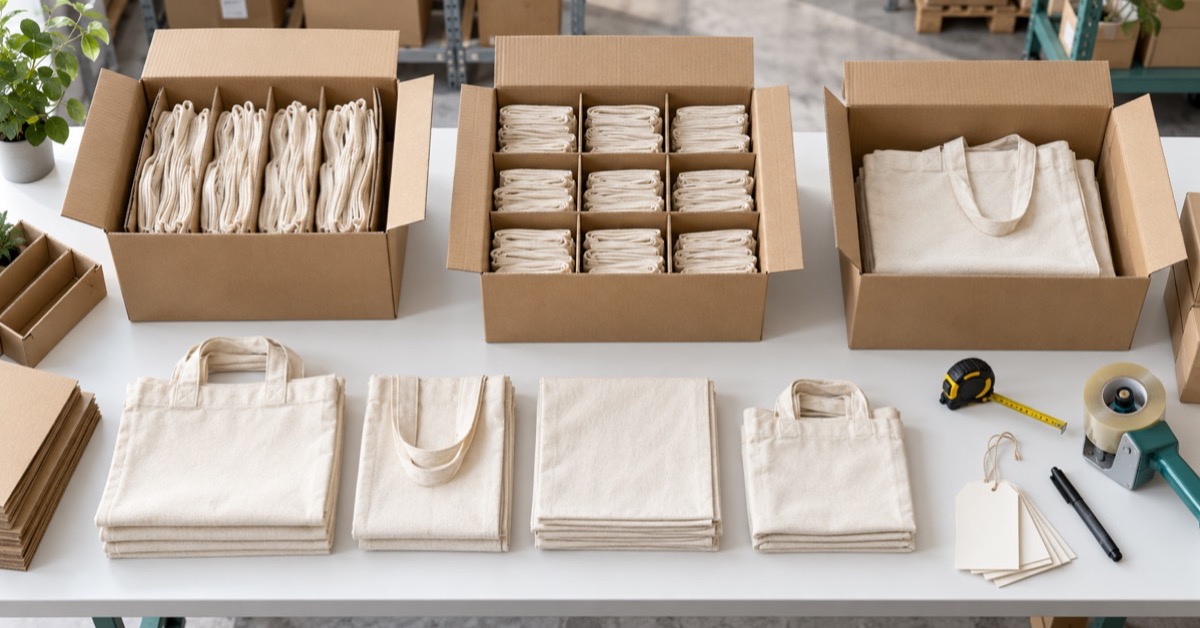
| Delivery | Destination and the date goods are needed | What schedule and packing method are realistic? |
Choose the package before decorating it
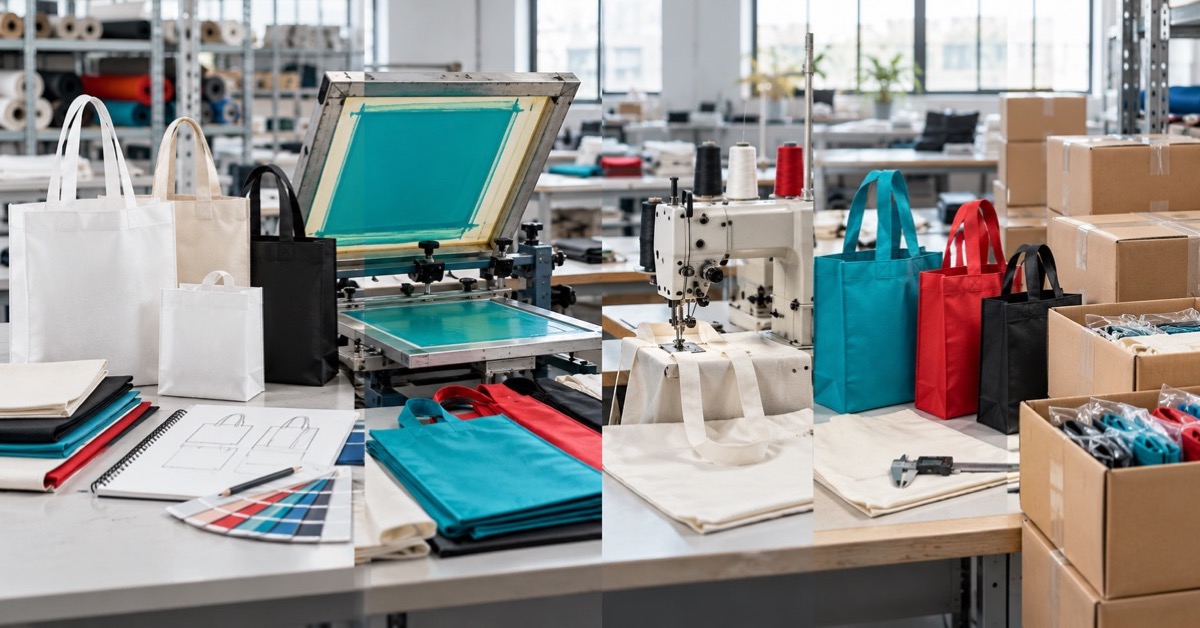
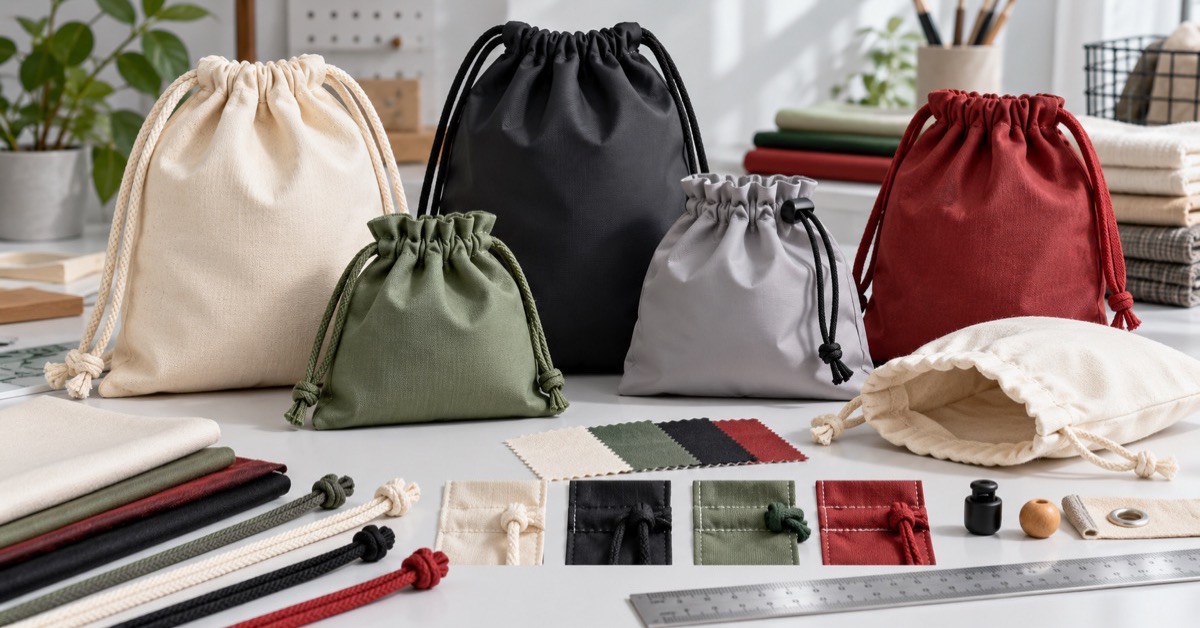
A rigid gift box, folding carton and fabric bag solve different problems. Confirm the basic format, opening and material before adding foil, embossing or other finishes. Decoration can improve presentation, but it cannot correct a poor fit or an awkward filling process.
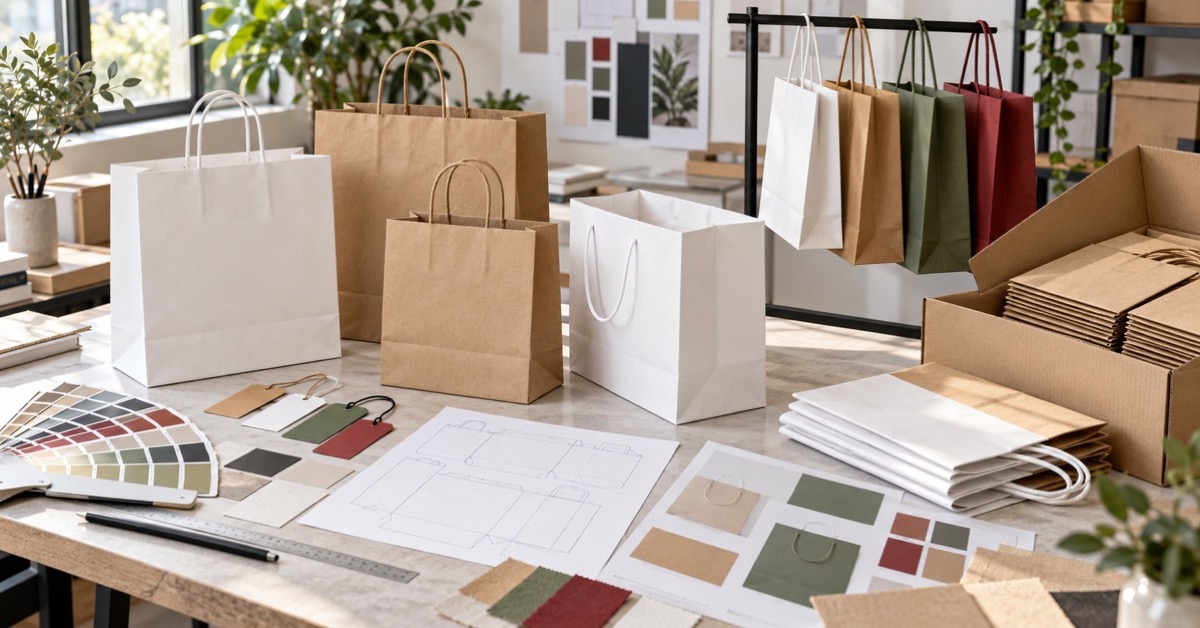
Wait for the real dieline before finishing artwork
Approximate templates create surprises around folds, seams and glue areas. Build final artwork on the supplier's confirmed dieline and print it at full size. If the product carries a retail barcode, the GS1 barcode standards overview can help the artwork team reserve appropriate identification space.
Make the sample do an ordinary day's work
Put the product inside. Carry the bag, stack the box, open the closure and place the packed item in its shipping carton. Let someone who did not design the package try to use it. This is where a buyer learning how to order custom packaging usually finds the most useful changes: a wider opening, more finger room or a simpler insert.
Write down what the sample approval means
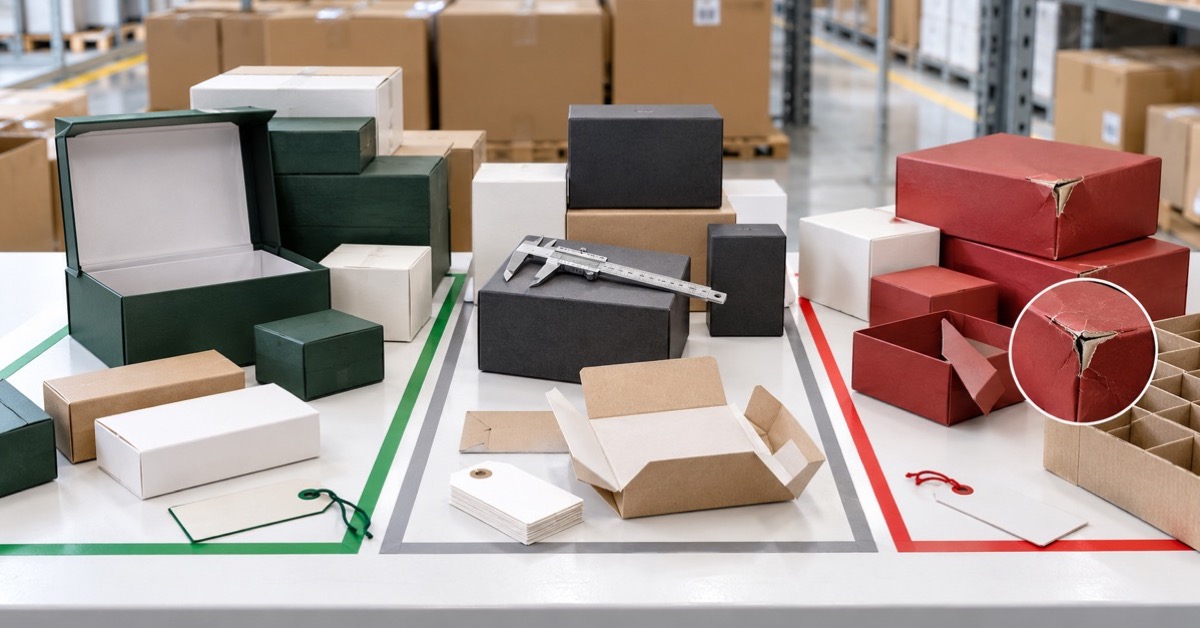
The order record should identify dimensions, material, printing, finish, quantity per design, packing, price, delivery basis and payment milestones. Attach the approved artwork and sample reference. Also state which later changes would affect cost or timing; otherwise a small revision can quietly become a different production job.
Inspect bulk goods against the same reference
- Explore PackMK packaging formats
- Review the PackMK OEM and ODM process
- Start a PackMK packaging request
Open cartons from different parts of the shipment and compare size, construction, color, finish and packing with the approved record. The practical answer to how to order custom packaging is simple: make each decision visible, testable and difficult to misunderstand.
Custom packaging order questions
What information is needed to learn how to order custom packaging?
Prepare product dimensions, weight, required format, quantity per design, artwork, material needs, destination and target date.
Should artwork be finished before contacting a supplier?
No. The supplier may need to confirm the structure and dieline before final artwork is prepared.
Is a physical sample necessary?
It is strongly recommended for checking fit, assembly, opening, printing and shipping performance before bulk production.
What should be approved before production?
Approve the dimensions, material, structure, artwork, colors, finishes, quantity, packing method, price and schedule.