


Choosing packaging material is often framed as a shortlist of paper, fabric, film or board. That skips the more useful question: what failure must the material prevent? How to choose packaging material becomes clearer when the buyer follows a failure tree from product sensitivity to handling, shipping, print, assembly and end-of-use.
PackMK uses an elimination method. A material stays in the running only when it has evidence against the risks that matter for the specific product and route. The method does not declare one material universally sustainable, strong or compliant; it creates a defensible path to a tested construction.
Direct answer: List the product and route failures first, eliminate materials that cannot address them, then compare the remaining constructions with physical samples, process evidence, quantity, cost and end-of-use requirements.
Build the material failure tree
| Branch | Failure question | Evidence |
|---|---|---|
| Product | What can be damaged or contaminated? | Loaded sample |
| Handling | Where is the force applied? | Grip or drop trial |
| Environment | What moisture or heat occurs? | Conditioned test |
| Process | Can it be printed and assembled? | Production sample |
| Route | What does shipping add? | Carton or transit trial |
PackMK begins with failure modes because material names do not describe the full construction, process or use boundary.
Define the product sensitivity profile
Record breakage, scratching, oil, odor, dust, light, moisture, temperature, compression, abrasion and contamination concerns. Separate true product risk from a preferred look or marketing phrase.
PackMK maps each sensitivity to a required barrier, cushion, separation or handling control. A thicker material is not automatically the correct answer if the failure occurs at a seam or closure.
Trace the load path through the package
Identify where weight, impact, compression and grip forces travel: base, gusset, handle, corner, insert, fold, seam or carton wall. Use the product in the intended orientation.
PackMK tests the assembled package rather than judging material swatches. A strong sheet can still fail when a fold, adhesive joint or handle concentrates the load.
Collect a material evidence packet
Ask suppliers to identify:
- material grade and construction;
- weight, thickness or relevant tolerance;
- surface, coating and print route;
- approved alternatives and change triggers;
- sample and inspection scope;
- packing, minimums and lead-time conditions.
PackMK turns the packet into comparable options instead of accepting vague material adjectives.
Treat moisture and temperature as a sequence
State where exposure occurs, how long it lasts, whether the package is filled, chilled, warm or condensed, and what visible or functional change is unacceptable.
PackMK records observed swelling, softening, staining, blocking, curl, lift or loss of function within the defined test. It does not convert one trial into a universal waterproof or thermal claim.
Compare barrier need with the actual product
A barrier can protect against grease, vapor, light, odor or abrasion, but it can also change print, recyclability, stiffness, cost and end-of-use. Name the specific failure the barrier solves.
PackMK requests a complete construction and use test. A coating on a swatch does not prove the folded, printed and sealed package will meet the same need.
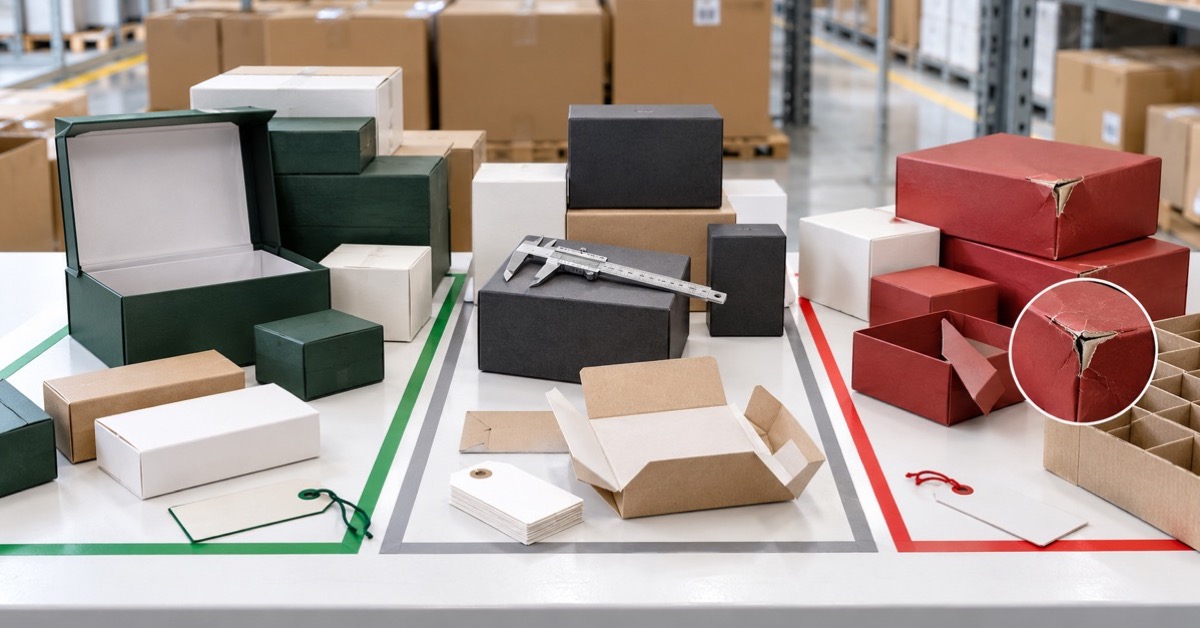
Eliminate by evidence, not preference
| Candidate | Keep when | Remove when |
|---|---|---|
| Paperboard | Fit and compression pass | Moisture or crease fails |
| Fabric | Load and print pass | Shape or contamination fails |
| Film | Barrier and seal pass | Handling or end-use fails |
| Non-woven | Route and print pass | Handle or seam fails |
| Mixed build | Interfaces are controlled | No owner for joints |
PackMK keeps alternatives visible while stating the conditions that remove them. The result is an evidence map, not a material popularity contest.
Review print and assembly as material tests
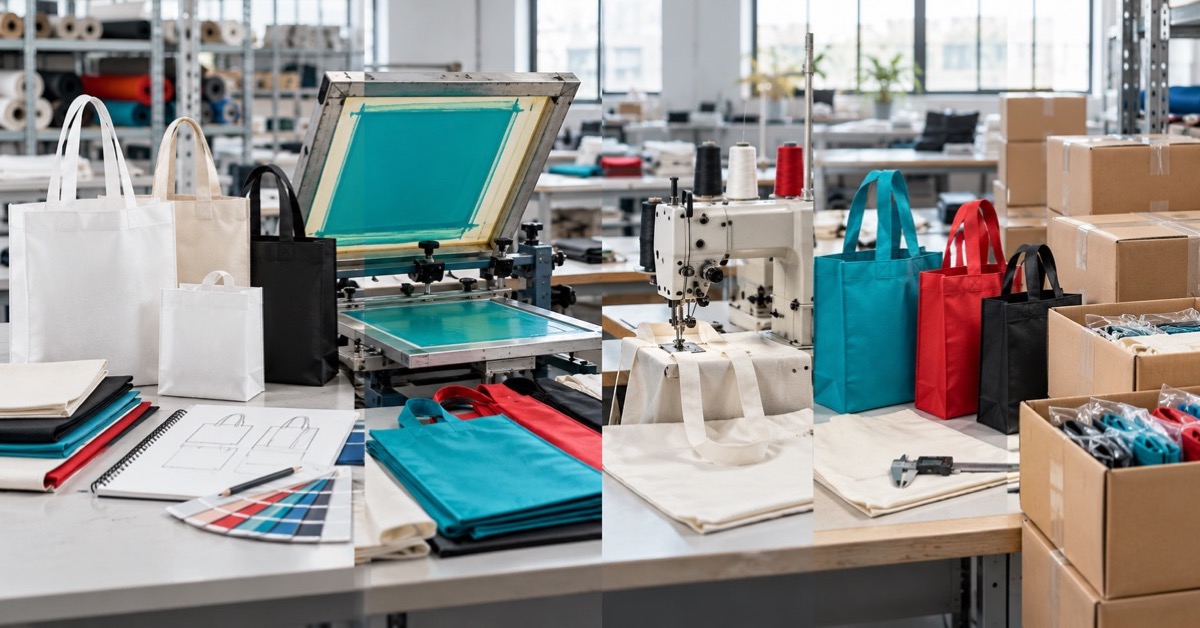
Check ink or transfer adhesion, color, fold cracking, sewing, heat sealing, gluing, stitching, die cutting and closure on production-equivalent samples.
PackMK links print and assembly failures back to the material choice. A material that cannot hold the intended identity or process may be functionally unsuitable even if its raw sheet specification looks right.
Include the shipping route early
Record parcel, pallet, ocean, air, warehouse and last-mile conditions as relevant. Observe compression, vibration, rub, carton stacking, temperature and humidity in the intended route.
PackMK separates factory completion from delivery evidence. Packaging material should be chosen against the real route and handoff, not an assumed warehouse shelf.
Measure assembly and storage consequences
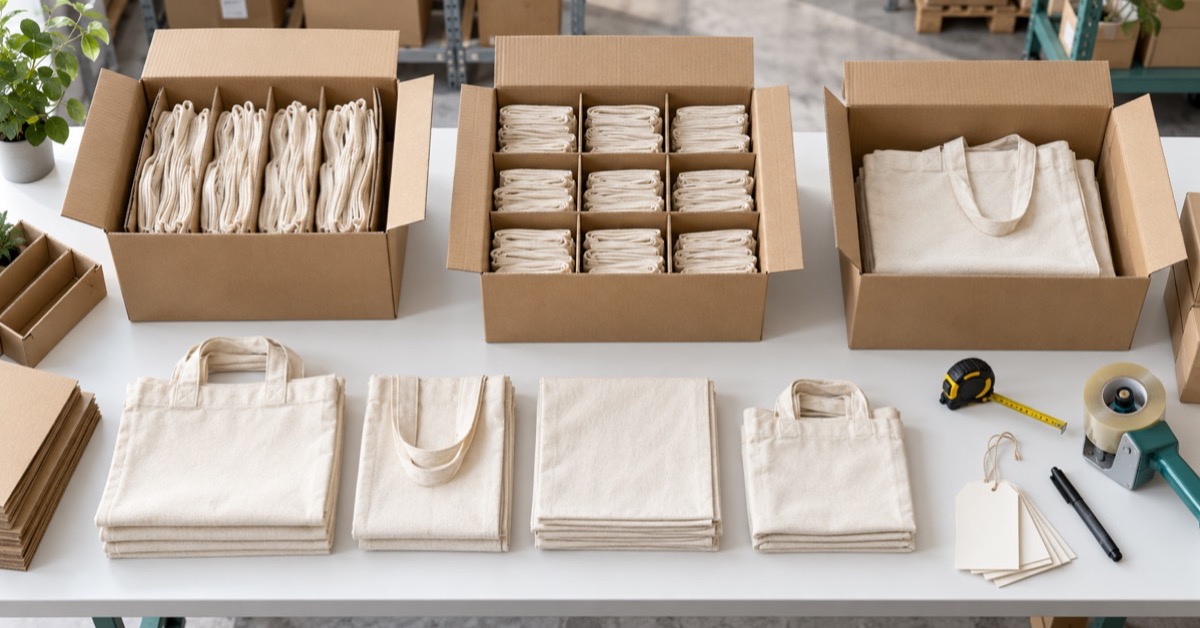
Compare flat-pack volume, nesting, bundle count, operator steps, tools, dust, odor, storage footprint and picking clarity. A material can reduce product risk while creating an operational bottleneck.
PackMK includes the team that will pack and receive the order. Material choice is incomplete until the package can be stored, assembled and identified consistently.
Discuss end-of-use without overclaiming
Ask what components are present, how they are joined, whether separation is practical and what destination guidance applies. Avoid treating a single material word as proof of an environmental outcome.
PackMK records the buyer's stated end-of-use goal and the evidence needed to support it. Claims remain within documented construction and market review.
Freeze the construction code
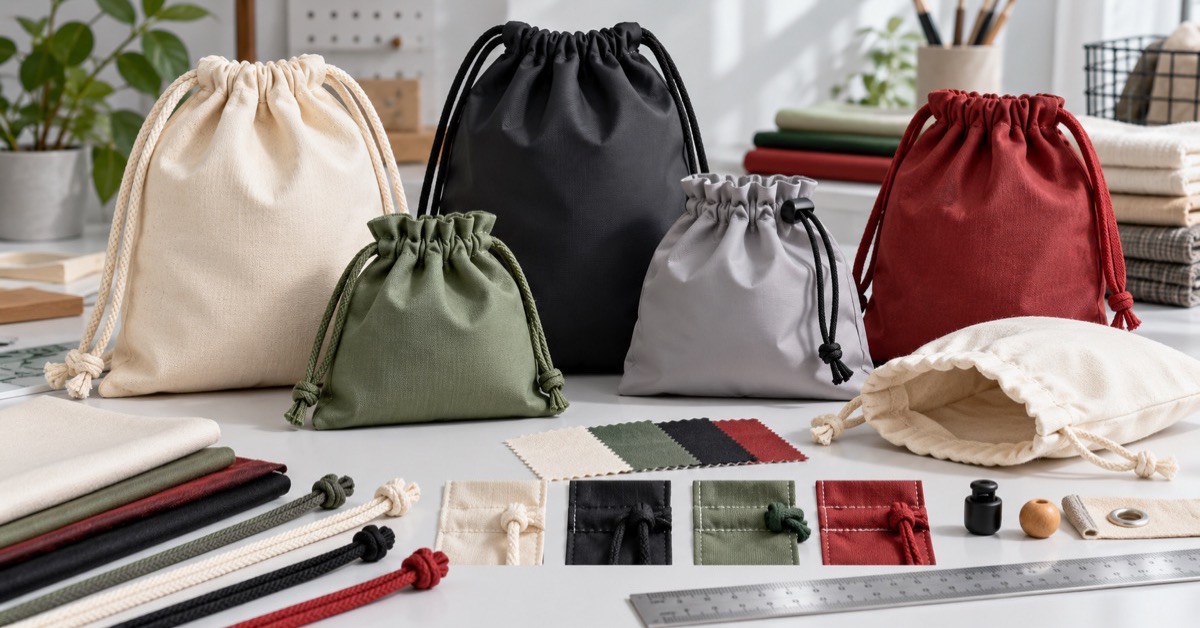
Name substrate, weight or thickness, coatings, adhesive, thread, handle, print, finish, insert, closure and approved alternatives. Store the code with the drawing, sample and quotation.
PackMK makes the construction reproducible. A reorder should not silently substitute a cheaper or more available component without reopening the affected failure branch.
Reopen how to choose packaging material when the route changes
New product sensitivity, quantity, channel, shipping route, climate, print, assembly method, supplier or end-of-use objective can change the tree.
PackMK keeps the decision tree and evidence together. The team can revisit one branch without losing the reasons the other branches were accepted.
Failure-tree example: a gift set with a fragile glass component
A brand needs a gift set containing a glass bottle, paper insert and small metal accessory. The set will ship direct to customers and may sit in a warm delivery vehicle.
PackMK would map breakage, scratch, movement, heat, moisture, print and assembly risks before selecting board, molded insert, fabric pouch or mixed construction. The load path would be checked at corners, base and closure.
A material that looks sustainable but allows bottle movement would be removed unless another interface solves the risk. A printed and loaded parcel trial would compare fit, carton utilization, assembly and receiving evidence.
The final construction code would state board, insert, adhesive, pouch, print and outer carton assumptions. End-of-use discussion would identify the actual joined materials and destination guidance needed.
A new bottle shape would reopen the product-fit branch and possibly the insert, while stable print and carton marks could remain approved if their interfaces are unchanged.
Use quality and trade resources to frame material decisions
Quality principles and trade resources help buyers assign evidence and delivery responsibilities, but they do not establish a universal material ranking. Review ISO quality management principles and ICC Incoterms rules resources as general context. PackMK still releases an order against the buyer brief, approved samples, production evidence and destination-specific decisions.
Turn how to choose packaging material into a decision brief
A decision-ready how to choose packaging material brief should define product sensitivity, load path, moisture exposure, temperature range, barrier need, print surface, assembly method, shipping route, end-of-use, approved alternative. It should also identify PackMK, how to choose packaging material, paperboard, cotton, non-woven, film, OEM, MOQ. PackMK turns these fields into a quotation basis, approval route and evidence list that purchasing, quality, operations and receiving teams can interpret consistently.
Ask the supplier to state assumptions, exclusions, approved alternatives, tooling, minimums, inspection scope, packing and lead-time conditions. For how to choose packaging material, each broad promise should become a physical sample question, measurable tolerance, priced option or release gate before the purchase order is confirmed.
Material performance depends on product, construction, process, load, climate, route, storage, quantity, supplier controls and end-of-use conditions. Environmental, food-contact, safety and regulatory claims require product- and destination-specific evidence.
The best answer to how to choose packaging material is a traceable failure tree. PackMK helps buyers eliminate weak options and approve the remaining construction against real evidence.
Before approval, PackMK recommends a one-page decision record naming the selected route, rejected alternatives, evidence reviewed, open limitations, quantity basis, owner and review date. After delivery, add receiving observations, defects, user feedback, supplier response and retained references so the next order can reopen only changed decisions.
Build a material failure tree with PackMK
PackMK can support how to choose packaging material from buyer brief and physical samples through production checks and export packing. Send the product or application, artwork, quantities, variants, destination and required date to request a structured quotation for how to choose packaging material.
- Explore PackMK custom packaging materials
- Review PackMK OEM and ODM support
- Request a material-selection quotation
How to choose packaging material questions
What is the first material question?
Ask what product, handling, environment, process or route failure the package must prevent.
Is thicker material always better?
No. Failure may occur at a seam, fold, handle, closure or interface rather than in the material sheet.
How should moisture be tested?
Define exposure sequence, product state, time, temperature and visible or functional acceptance criteria.
Why test print and assembly together?
Material, coating, fold, glue, sewing and sealing behavior interact in the finished package.
When should alternatives be quoted?
Quote alternatives when they address the same risk with defined differences in cost, process or evidence.
How does shipping affect material choice?
Compression, vibration, rub, temperature and humidity can add failures after factory release.
Can a material be called sustainable from its name?
No. Review the complete construction, joining, destination guidance and substantiation for any claim.
What is a construction code?
It is a reproducible description of substrate, components, finishes, closure, print and approved alternatives.
When should the decision tree reopen?
Reopen after a product, route, process, supplier, quantity, climate or end-of-use change.
How does PackMK support material selection?
PackMK maps risks, samples constructions, compares evidence, defines inspection and records reorder triggers.