

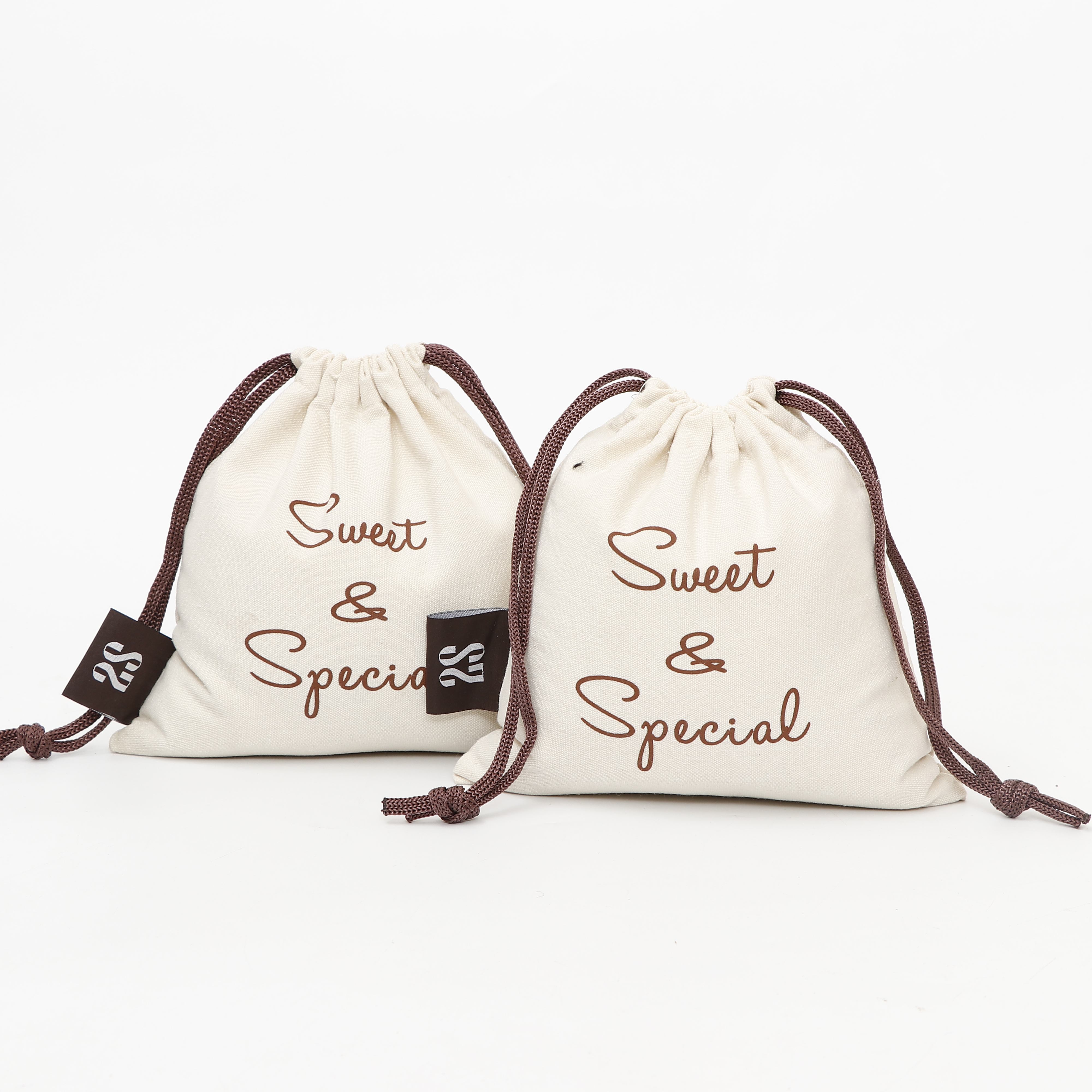
A hotel laundry bag moves through a small service chain: the guest finds it, fills it, identifies the request and leaves it for housekeeping. Staff collect, sort and return the order. Practical hotel laundry bags make those handoffs clear without adding work at the room or laundry desk.
The guest must understand the bag in a few seconds
Place instructions where they remain visible before filling. If a separate form is required, provide a logical pocket or attachment point. The bag opening should be obvious, and the closure should work without a knot that housekeeping must cut.
Capacity should match the service, not the wardrobe
A bag for paid laundry collection may need only one day's items. An in-room reusable bag may also serve as a temporary hamper. Define the service volume, then test a realistic mix of garments rather than choosing dimensions from an empty sample.
| Workflow step | Bag requirement | Trial |
|---|---|---|
| Guest use | Visible instructions and simple opening | Ask a new user to prepare a collection |
| Room pickup | Secure closure and clear room identity | Carry several filled bags on a cart |
| Sorting | Readable tag or document area | Match bags to sample orders |
| Return | Clean presentation and correct contents | Repack the finished service order |
| Storage | Compact folding and replenishment count | Load a housekeeping shelf or trolley |
Moisture changes the material decision
Guests may place damp swimwear or towels inside. Breathable fabric, coated material and disposable film manage moisture differently. State whether the bag is intended for dry garments, damp items or both, and test odor and surface transfer during the expected holding time.
Room identification needs a protected place
Tags, forms and barcodes should remain attached during collection. Avoid tying identity documents to a cord that may be removed. If information is written directly on the bag, test the pen or marker on the chosen surface.
Decide whether the bag is washed, wiped or replaced
Reusable bags need a care process that suits the fabric, print and cord. Disposable formats need storage and replenishment planning. If textile testing is relevant, the OEKO-TEX Standard 100 overview provides context for harmful-substance testing.
Test collection with a housekeeping trolley
Fill several samples, place them on the cart and walk a normal route. Check whether cords snag, tags hide or bags slide into one another. The best format for a single room may change when staff collect ten rooms.
Keep room and laundry teams on one specification
Record size, fabric, color, print, cord, identity method, care and packing. This helps purchasing reorder the same hotel laundry bags and lets operating teams report a specific problem instead of requesting a vague replacement.
- Explore PackMK fabric packaging formats
- Review PackMK custom bag development
- Discuss a hotel laundry bag project
Useful hotel laundry bags make guest instructions, room identification, collection and return easier across the full service workflow.
Hotel laundry bag questions
What size should hotel laundry bags be?
Base the size on the normal service volume and a realistic garment mix, then check handling on housekeeping carts.
Can hotel laundry bags hold damp clothing?
That depends on material and holding time. Define damp-item use and test moisture, odor and surface transfer.
How should a room number be attached?
Use a protected tag, form pocket, barcode or writable area that remains with the bag through collection and sorting.
Are reusable laundry bags washable?
Some are, but fabric, print, cord and construction must be tested using the intended care process.