

Food label projects fail when copy review, print production and application are treated as separate jobs. Reliable food packaging labels connect the approved information to the exact package, SKU, production version and labeling process.
Assign an owner to every information field
Marketing may own the product name and brand copy, operations may own batch coding, and a qualified adviser may review market-specific requirements. Put each field in a content register with its owner, source, approval date and artwork location.
Separate fixed artwork from changing production data
Logos and stable design elements can remain in the master artwork. Dates, lot numbers, weights, flavors and barcodes may change by run or SKU. Reserve controlled areas for variable information and define which device prints each item.
| Audit layer | Question | Evidence to retain |
|---|---|---|
| Content | Is every approved field present and current? | Signed content register |
| Artwork | Does hierarchy remain readable at final size? | Actual-size proof |
| Package fit | Does the label avoid folds, seals and curves? | Applied filled-package sample |
| Production data | Can codes be printed and read reliably? | Coder and barcode trial |
| Release | Can the correct version be identified? | Revision and effective-date record |
Test the real package surface and environment
Film, glass, coated paper and textured surfaces need different adhesive behavior. Apply samples after the package has been filled and closed. Include refrigeration, condensation, oil, dust or handling conditions that the product may encounter.
Check small text and barcodes at production size
Do not approve only a zoomed PDF. Print the label at 100 percent, inspect contrast and scan every barcode using representative packaging. Curves and wrinkles can reduce usable barcode width even when the digital artwork is correct.
Use a controlled release gate for every version
Name versions by SKU and revision, set an effective date and identify obsolete stock. Production should receive one released file, not choose among attachments. When copy changes, decide whether old food packaging labels must be isolated, consumed or destroyed.
Confirm market requirements before print approval
Labeling obligations depend on product and destination. For U.S. context, the FDA food labeling and nutrition resource provides official information. Use current rules and qualified review for the specific product and market.
Observe a normal labeling shift before bulk release
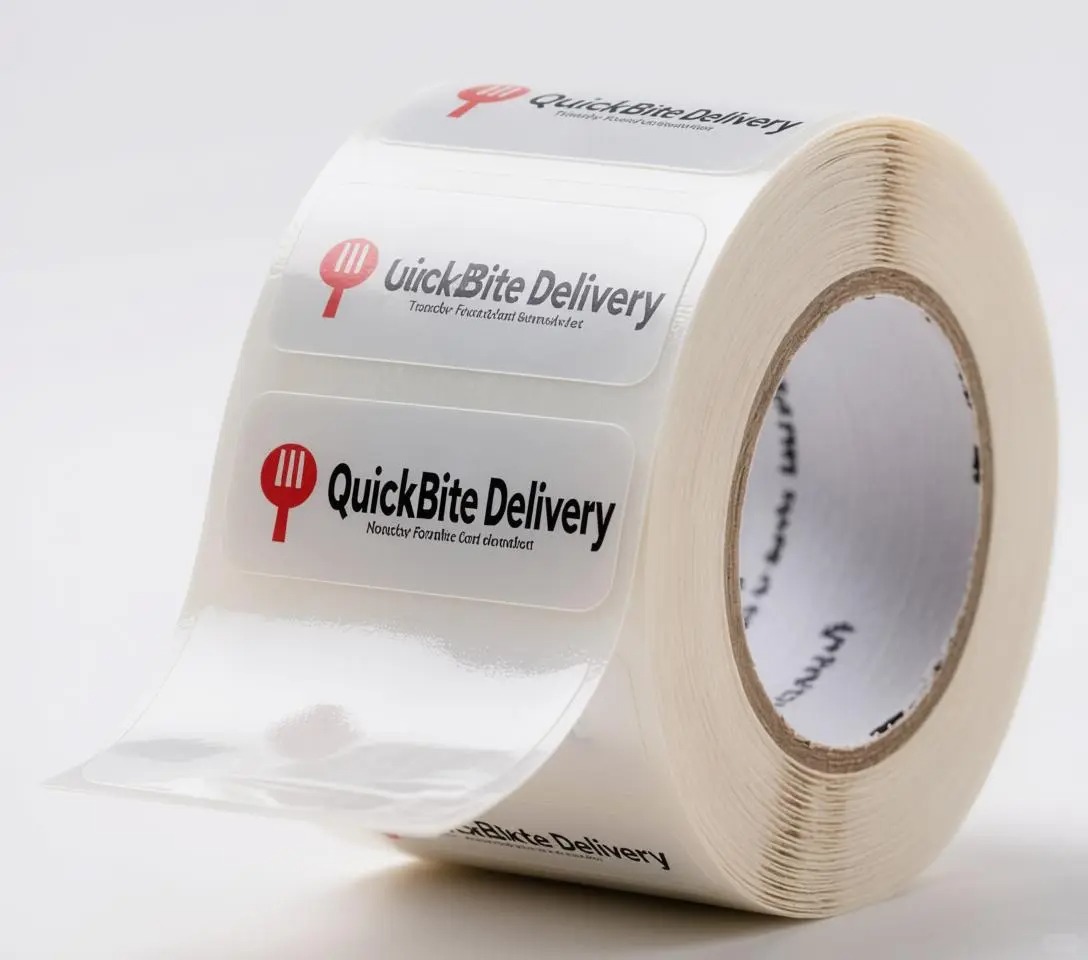
Run labels through the actual dispenser or application station. Check roll direction, core, gap, liner release, placement speed and reject handling. Record the approved roll specification beside the artwork version.
Well-controlled food packaging labels link approved content, physical performance and version release, helping packing teams use the right label on the right product.
Food packaging label questions
What should be checked before printing food packaging labels?
Check approved content, final-size readability, package fit, adhesive performance, variable coding, barcode scanning and version identity.
Why should food labels be tested on filled packages?
Filling reveals curves, folds, seals, condensation, surface contamination and handling conditions that flat samples do not show.
How can multiple food label versions be controlled?
Use SKU-based revision names, approval records, effective dates and a process for removing obsolete files and label stock.
Can the same adhesive work on every food package?
No. Surface material, texture, temperature, moisture, oil and application conditions can change adhesive performance.