

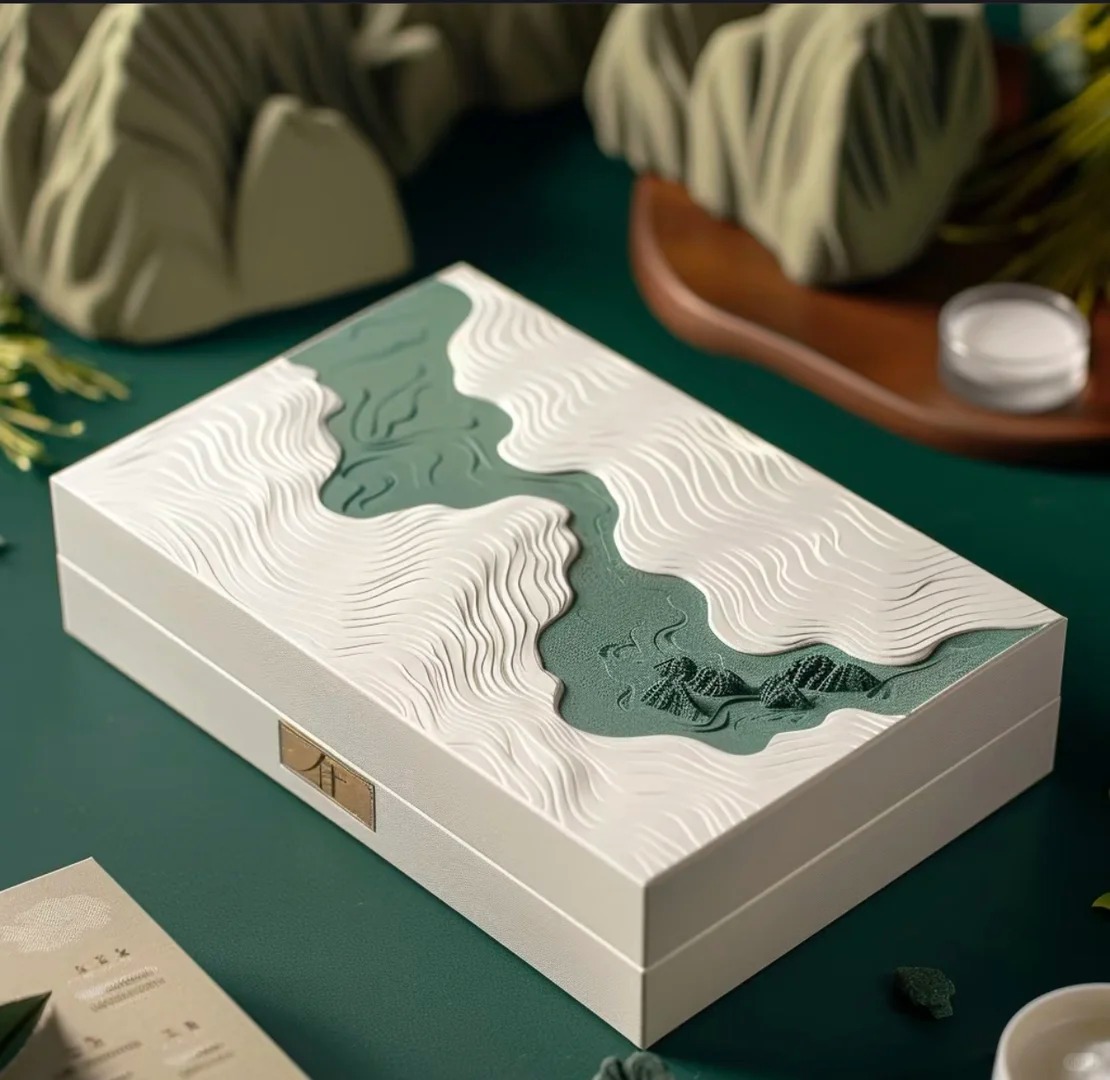
Foil can create a sharp metallic detail that ordinary ink cannot reproduce. It can also expose every weakness in a thin line, textured paper or crowded design. Successful foil stamping packaging is built through a sequence of artwork, die, material and press decisions rather than by selecting a gold color on screen.
What foil changes on the finished package
The foil reflects light instead of behaving like printed metallic ink. This makes small brand marks, borders or product details noticeable as the viewing angle changes. The effect is strongest when the foil area has a clear purpose and enough space around it.
Follow the foil detail through five production stages
| Stage | Main decision | Common problem |
|---|---|---|
| Artwork | Define the exact foil area on a separate layer. | Hairlines, gaps or overlapping print elements. |
| Die preparation | Translate the shape into a practical stamping tool. | Fine detail that cannot release cleanly. |
| Material test | Match foil and surface. | Texture, coating or dust reduces transfer. |
| Press setup | Balance heat, pressure and dwell time. | Incomplete coverage or crushed material. |
| Inspection | Compare position, coverage and edge quality. | Small defects missed under one lighting angle. |
Design the foil area as its own print separation
Keep foil instructions separate from ordinary CMYK artwork and name the layer clearly. Avoid using visual effects that have no physical production definition. Adobe's color separations guidance provides useful background for artwork teams preparing special print elements.
Material texture changes the edge and coverage
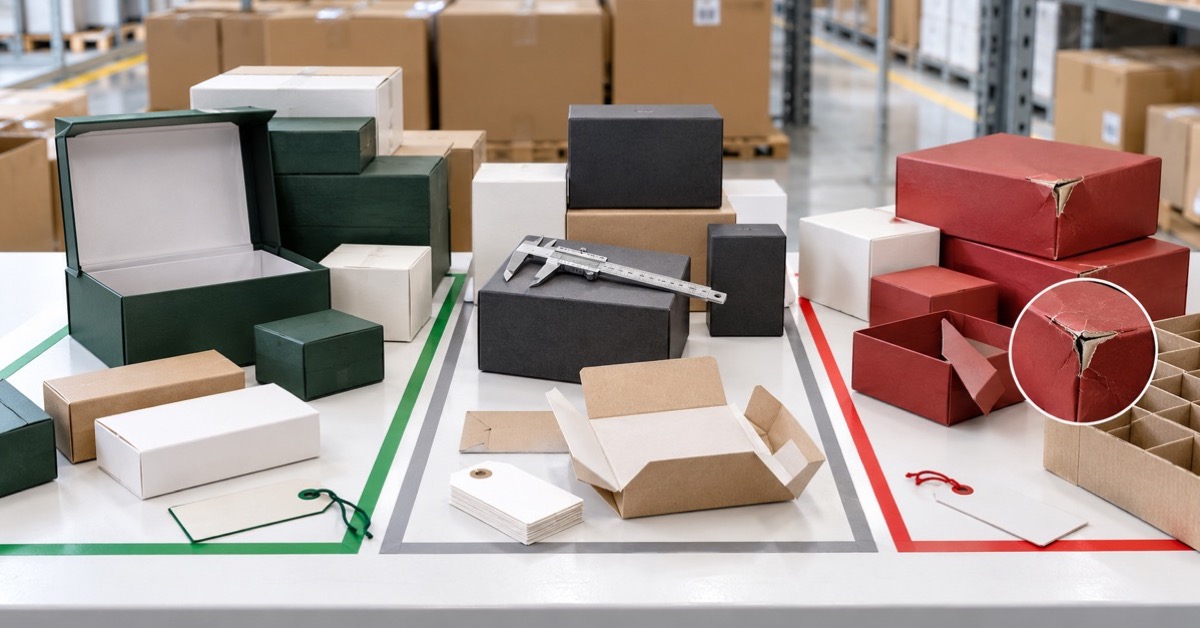
Smooth coated paper can produce a different result from uncoated or deeply textured stock. Laminations and existing ink layers also affect transfer. A foil stamping packaging sample should use the proposed production material, not a generic foil card from a sample book.
Foil is not the right answer for every premium design
Large foil areas can show scratches or unevenness more readily. Very fine details may fill in or break. If the package will rub against other items during shipping, the finish needs protection. Sometimes a strong ink color, embossing or a smaller foil accent produces a cleaner and more durable result.
Inspect the sample in the light customers will see
Turn the package under retail lighting, daylight and normal room light. Check whether the foil supports readability or competes with it. Fold and assemble the sample because foil crossing a crease can behave differently from a flat panel.
Protect the finish after production
- Explore PackMK rigid gift box options
- Review PackMK printing and finishing support
- Submit foil artwork for a production review
Inner wrapping, dividers and carton quantity can matter as much as the stamping itself. Record the foil reference, die, position, material and approved sample so future foil stamping packaging orders can be checked against the same result.
Foil finishing questions
What artwork is needed for foil stamping packaging?
Provide vector artwork with the foil area shown on a separate, clearly named layer at the final production size.
Can foil stamping be applied to textured paper?
It may be possible, but the material and foil combination should be tested because texture can affect coverage and edge definition.
Is foil stamping the same as metallic ink?
No. Foil is transferred to the surface and reflects light differently from printed metallic ink.
Why can large foil areas be difficult?
Large areas may show uneven transfer, scratches, dust or surface variation more clearly than small accents.