

The phrase factory direct stickers is useful only when the quotation reveals who controls material selection, printing, cutting, inspection and packing. PackMK asks the supplier to prove those controls against the real application instead of treating a short supply-chain label as a quality guarantee.
A credible quote should make the sticker construction and production route visible. These checkpoints help buyers compare offers that may use the same finished size but very different materials, adhesives, tooling and quality assumptions.
Reality check 1: ask which processes are actually controlled
Request a simple process map from artwork review through printing, finishing, cutting, waste removal, slitting, counting and packing. Identify outsourced steps and who approves them. Direct communication can be valuable, but ownership matters more than a claim that every operation happens under one roof.
Ask where production records and retained samples are kept. The answer should connect the quote to repeatable controls.
Reality check 2: begin with the application surface
Describe whether the sticker is applied to paper, glass, metal, plastic, coated board or flexible film. Include texture, curvature, cleanliness, application temperature and later exposure to moisture, oil, cold, heat or abrasion.
A supplier that recommends one adhesive for every surface has not yet assessed the project. Test labels on production-equivalent packaging under the expected handling sequence.
Reality check 3: reveal the complete construction
The quote should name the face material, adhesive, liner, print process, ink or toner system, protective finish and finished thickness where relevant. A generic description such as vinyl sticker can hide material and adhesive differences that affect use.
Request manufacturer or supplier references when performance is critical, while keeping acceptance tied to applied tests on the actual package.
Reality check 4: lock the artwork version
Provide editable artwork when possible, outlined fonts, linked images, finished size, bleed and a controlled cut path. Put the revision code on the proof and purchase order. If several designs share a run, give each a unique SKU and quantity.
Review small text, reverse type, line weight and quiet zones at actual size. A large screen view can hide printability and cutting problems.
Reality check 5: approve color on the chosen material
White paper, clear film, metallic stock and kraft surfaces change color and opacity. Ask which proof represents production and whether critical colors use a named reference. Check white ink layers on clear or colored materials.
Approve the combination of stock, ink and finish. Moving approved artwork to another face material can require a new proof.
Use the quote as an evidence checklist
| Quote field | Acceptable evidence | Hidden variable | Buyer test |
|---|---|---|---|
| Material | Named construction | Generic stock | Applied sample |
| Adhesive | Application match | One-grade assumption | Condition exposure |
| Printing | Process and proof | Color expectation | Physical proof |
| Cutting | Tolerance and tool | Liner damage | Dispensing trial |
| Packing | Roll or sheet details | Counting method | Receiving check |
Reality check 6: specify the cut result
Confirm finished dimensions, shape, corner radius, border alignment, gap between labels and whether the product is die-cut or kiss-cut. The cut should release cleanly without damaging the liner or entering important artwork beyond the agreed tolerance.
The FINAT test methods overview provides industry context for label testing. Select methods that correspond to the actual application.
Reality check 7: make roll geometry operational
For rolls, define core size, maximum outside diameter, web width, winding direction, label orientation, gap, splice rules and quantity per roll. Match them to the labeling equipment or operator workflow. For sheets, define sheet size, layout and backing margin.
A technically correct label can still stop production if it arrives wound in the wrong direction.
Reality check 8: test codes after printing and application
If the sticker carries a barcode or QR code, scan production-size samples before and after application. Curvature, reflection, print contrast, folds and clear material can change readability. Use the actual scanner and viewing conditions where possible.
GS1's barcode standards resources provide system context, while the buyer must validate the specific package workflow.
Reality check 9: ask how counts are verified
Sticker orders may be packed by roll, sheet, bundle or individual piece. Ask whether quantity is controlled by machine count, roll length, weight or manual packing and how joins or waste are handled. Define allowed quantity variation and label every pack clearly.
For multiple versions, require segregation before cartons are closed and a reconciliation by SKU.
Reality check 10: see the quality evidence before production
Request the proposed checks, frequency and records for material, artwork, color, registration, cut depth, dimensions, roll build, counts and packing. General statements about strict quality are not acceptance criteria.
Ask which defects stop production, which can be reworked and how nonconforming rolls or sheets are isolated from accepted product.
Separate setup cost from recurring unit cost
Identify artwork preparation, plates, dies, proofs, special material minimums and freight separately from unit conversion. Confirm whether tooling is retained and can be reused for an unchanged reorder. Compare quotes at the same quantity, packing and delivery assumptions.
Small price differences are less important than avoiding a label that fails application or stops a packing line.
Run a small applied pilot when risk is high
When the surface or exposure is unusual, test a controlled pilot on real products before the full run. Apply labels using the actual cleaning, pressure and dwell-time process. Observe edges, bubbles, lifting, residue, scuffing and legibility.
Document the acceptable result and keep labeled samples. The pilot should answer a defined risk, not serve as an informal visual preview.
Normalize competing quotations
Place finished size, material construction, adhesive, printing, finish, cut format, quantity, setup, roll or sheet packing, inspection and delivery in the same columns. Mark missing fields and send them back for clarification.
If one quote is cheaper because it omits lamination, uses a different adhesive or changes roll quantity, it is not a like-for-like comparison.
Inspect cartons as a production system
Sample rolls or sheets from several cartons and positions. Check identity, physical construction, printing, cutting, dispensing, counts and pack labels. Verify that artwork versions are not mixed. Apply and expose representative samples as agreed.
For repeat orders, compare against retained evidence instead of relying on memory or a supplier's general product catalog.
Keep a direct reorder file
Retain the approved artwork and cut path, material construction, adhesive, proof, applied sample, roll geometry, inspection criteria, packing and carton labels. Record authorized changes with dates and owners.
This file is what makes factory direct stickers repeatable. The sales phrase by itself does not preserve materials, versions or machine settings.
Use PackMK to close the gaps in the quote
PackMK can coordinate factory direct stickers from surface assessment and artwork through material selection, proofs, converting, inspection and packing. Buyers receive a specification that can be checked rather than an offer built from assumptions.
Send PackMK the package surface, exposure, artwork, size, application method, quantity, roll or sheet needs and destination to request a detailed quotation.
Score the offer before choosing a supplier
| Decision area | Weight | Strong answer | Weak answer |
|---|---|---|---|
| Application fit | High | Surface-specific recommendation | Universal adhesive |
| Version control | High | Coded proof workflow | Untracked files |
| Converting | Medium | Defined cut and roll controls | Only finished photos |
| Inspection | High | Recorded checks | Quality promise |
| Price | Medium | Complete normalized scope | Unexplained low unit price |
Put sticker terminology into the final purchase order
State the adhesive test, color proof, die cutting method, barcode scan, reorder control, dieline reference and MOQ. Link each term to an approval or inspection record instead of leaving it as descriptive text.
This language turns factory direct stickers into a defined supply item. A future buyer can reorder factory direct stickers without reopening decisions that the original project already settled.
- View PackMK custom adhesive label options
- Explore PackMK special printed sticker formats
- Request a factory-direct sticker quotation
Factory-direct sticker sourcing questions
What does factory direct stickers mean for a buyer?
It generally describes purchasing closer to production, but buyers should still verify which processes, materials, inspections and outsourced operations the quoted supplier actually controls.
What information is needed for a sticker quote?
Provide finished size, artwork and cut path, application surface, exposure conditions, quantity, material preference, roll or sheet format, application method and destination.
How should sticker adhesive be selected?
Match it to the actual surface, curvature, cleanliness, temperature, moisture, expected service life and required permanent or removable behavior, then test applied samples.
Why does the liner matter?
Liner material, release, thickness and stability affect printing, cutting, dispensing, storage and compatibility with manual or automatic label application.
What is roll direction?
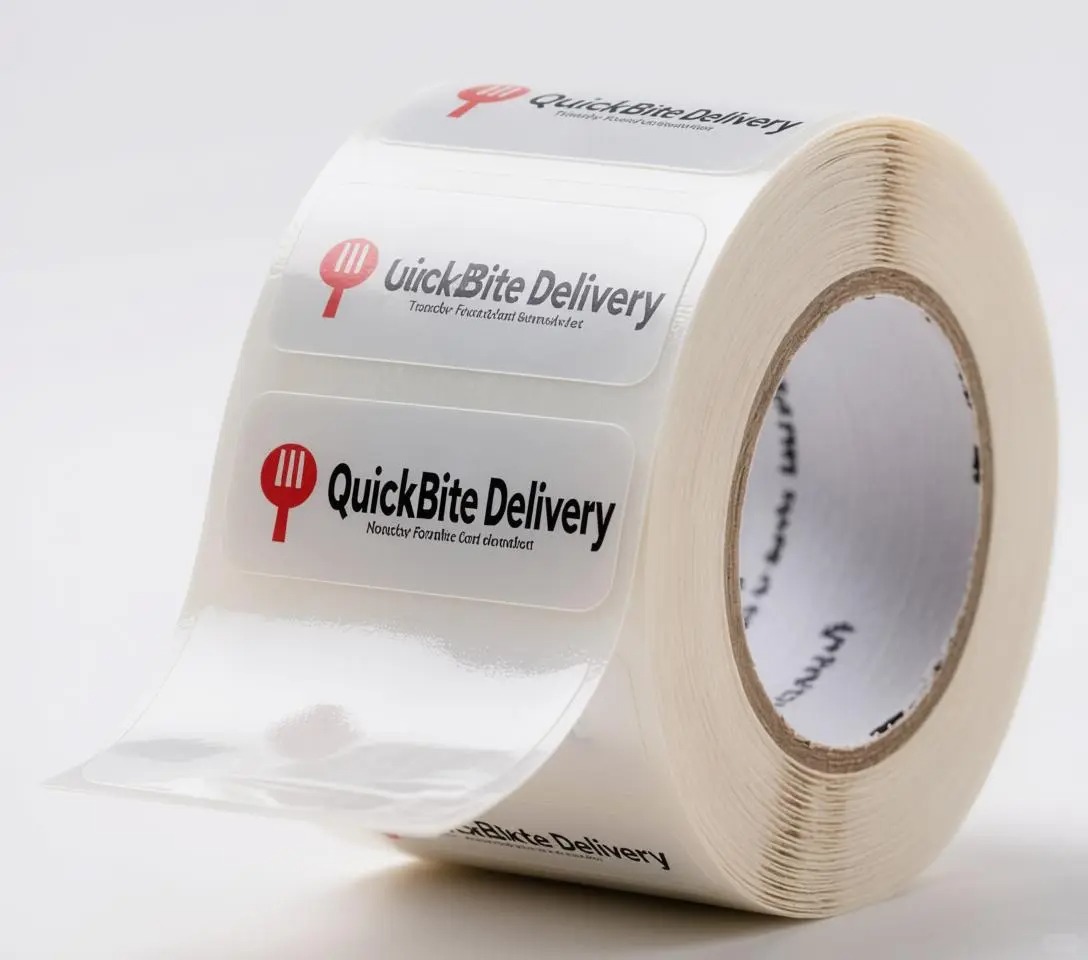
It describes how labels are oriented and wound on the roll; the leading edge, core, web width and winding direction must match the applicator.
How should buyers approve sticker color?
Approve a physical production-equivalent proof on the intended face material and finish, using controlled references for critical colors rather than relying only on screens.
How are die-cut stickers inspected?
Check dimensions, artwork version, material, print, registration, color, cut position and depth, liner condition, dispensing, counts, roll build and packing.
Can several sticker designs share an order?
Often yes, subject to print and material minimums, but every design needs its own version code, approval, quantity, segregation and pack identification.
What causes stickers to lift after application?
Possible causes include an unsuitable adhesive, contaminated or textured surfaces, tight curvature, low application pressure, insufficient dwell time or unexpected temperature and moisture.
What should be retained for sticker reorders?
Keep approved artwork, cut path, material and adhesive construction, physical proof, applied test sample, roll setup, inspection criteria, quantities and packing specification.