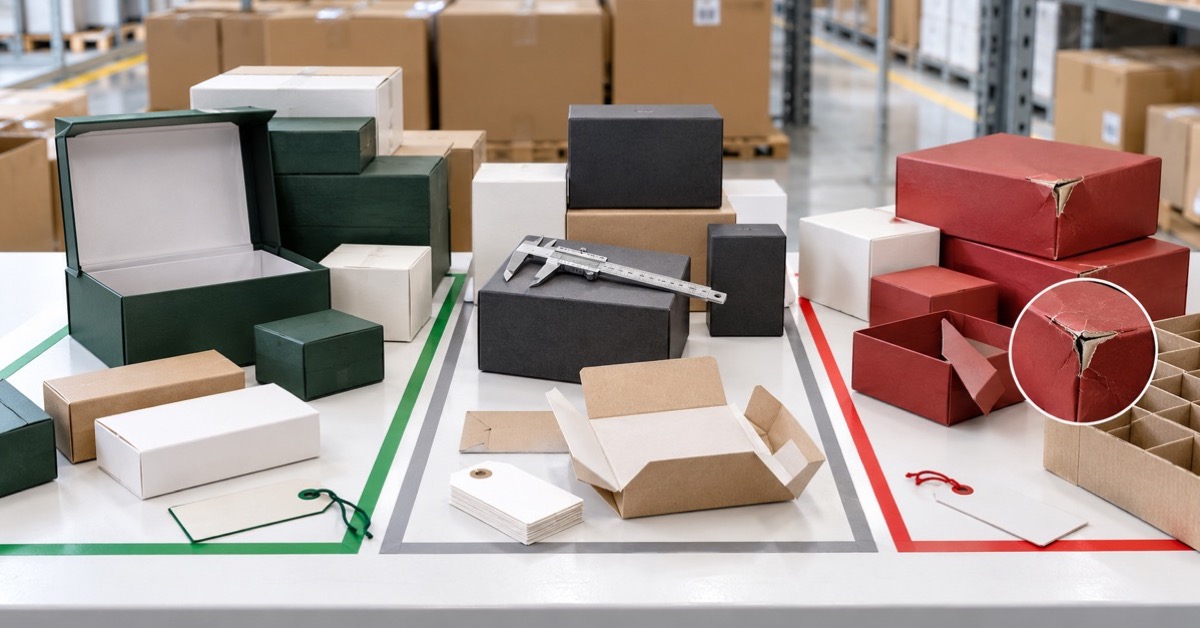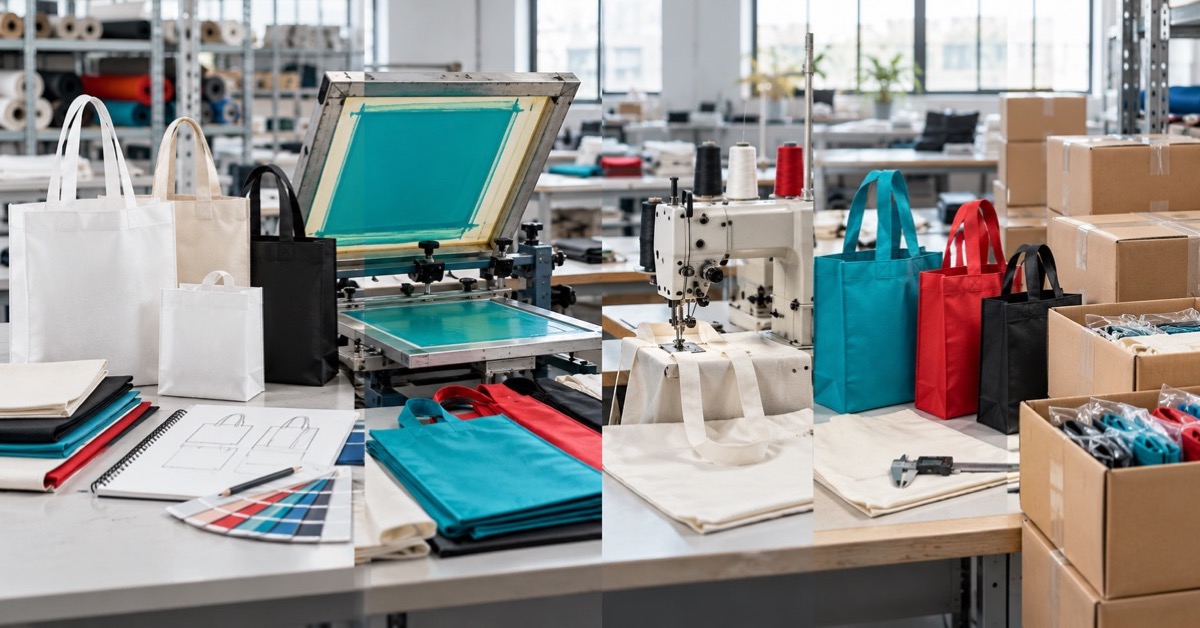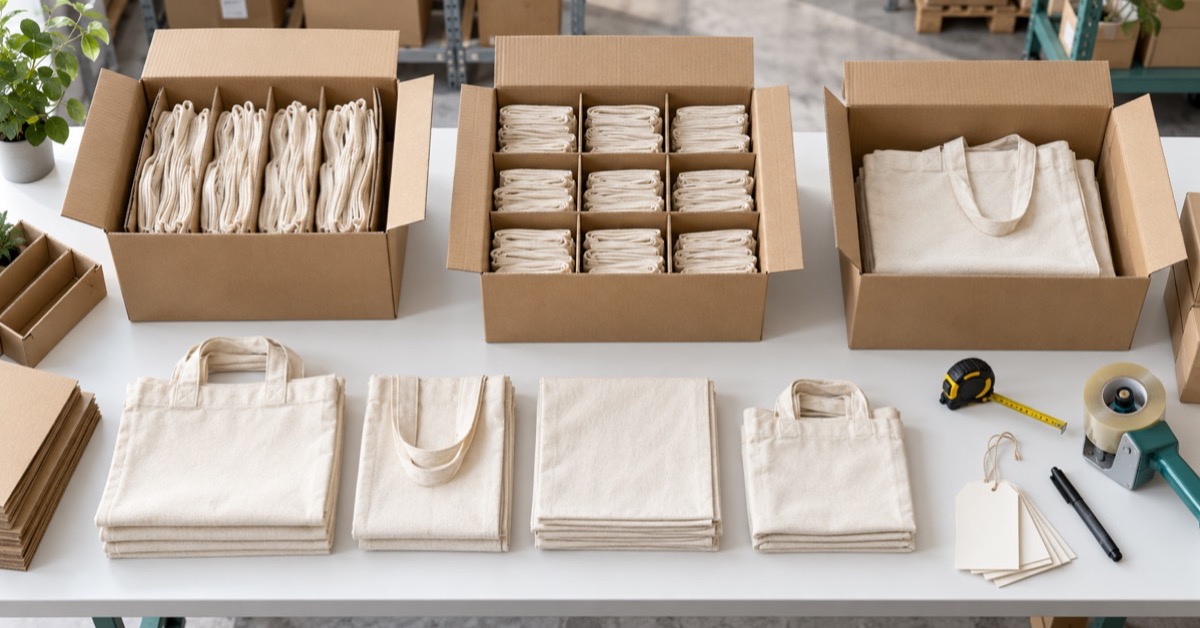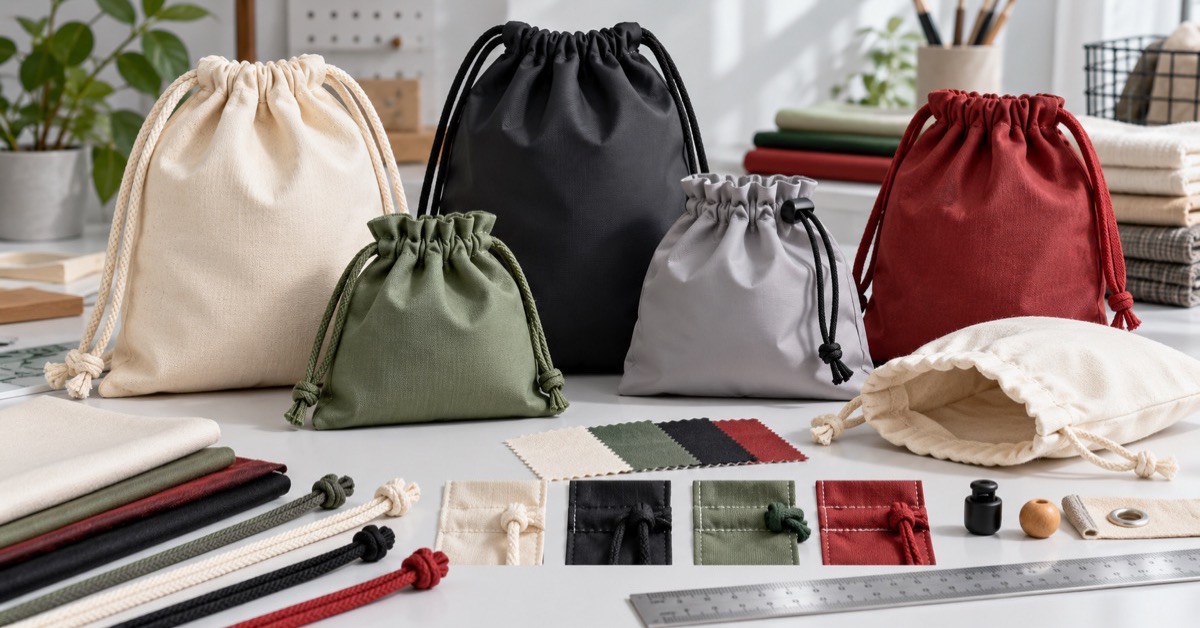


Factory-direct buying removes one commercial layer, but it does not make every quote comparable. Factory direct paper bags still carry cost decisions in paper yield, printing, forming, handles, inspection, packing and freight cube.
PackMK builds a unit-price waterfall from the approved specification. Buyers can see which decisions create value, which create avoidable setup, and which apparent savings merely move cost or risk downstream.
PackMK begins with the buyer's operating question, the physical reference and the decision owner. The working brief records assumptions, tolerances, open risks and the evidence needed before quantity, price or schedule is treated as firm.
Cost line 1: normalize the bag geometry
Compare finished width, height, gusset, top treatment, bottom format and usable capacity under the same measuring method. PackMK separates the quoted assumption from the physical evidence and the commercial consequence, allowing buyers to compare like with like.
Load the intended contents and calculate material and carton implications from the approved geometry. This reduces a lower quote representing a smaller usable bag. Store the result beside the live specification so quotation, sampling, production, inspection and reorders use the same basis.
Cost line 2: identify the paper grade
State fiber type, basis weight, finish, color, strength need, physical reference and approved variation. PackMK separates the quoted assumption from the physical evidence and the commercial consequence, allowing buyers to compare like with like.
Trace quoted paper to a sample and incoming inspection plan. This reduces generic kraft terminology hiding a different input. Store the result beside the live specification so quotation, sampling, production, inspection and reorders use the same basis.
Cost line 3: test paper yield
Review sheet or web width, grain direction, trim, nesting and defect allowance for the chosen size. PackMK separates the quoted assumption from the physical evidence and the commercial consequence, allowing buyers to compare like with like.
Ask the factory to state yield assumptions and the consequence of a dimensional change. This reduces minor size changes causing unexpected material jumps. Store the result beside the live specification so quotation, sampling, production, inspection and reorders use the same basis.
Cost line 4: price print architecture
Separate colors, coverage, sides, white ink, registration, coating, plates and changeovers by artwork family. PackMK separates the quoted assumption from the physical evidence and the commercial consequence, allowing buyers to compare like with like.
Approve a physical formed proof and identify setup charges separately from unit production. This reduces one unit price hiding nonrecurring print costs. Store the result beside the live specification so quotation, sampling, production, inspection and reorders use the same basis.
Cost line 5: compare handle systems
Define handle material, length, width, color, attachment, patch and loaded comfort requirement. PackMK separates the quoted assumption from the physical evidence and the commercial consequence, allowing buyers to compare like with like.
Run loaded carry cycles and review both component and assembly cost. This reduces cheap handles increasing failure or packing volume. Store the result beside the live specification so quotation, sampling, production, inspection and reorders use the same basis.
Cost line 6: examine forming complexity
List gussets, bottom folds, reinforcements, turn-tops, windows, closures and manual finishing. PackMK separates the quoted assumption from the physical evidence and the commercial consequence, allowing buyers to compare like with like.
Walk the exact manufacturing sequence and identify constrained or hand-work steps. This reduces a simple drawing masking slow assembly. Store the result beside the live specification so quotation, sampling, production, inspection and reorders use the same basis.
Cost line 7: expose quantity breaks
Request prices at realistic volumes with the same specification, overage rule and version mix. PackMK separates the quoted assumption from the physical evidence and the commercial consequence, allowing buyers to compare like with like.
Separate material minimum, print setup, forming efficiency and packing effects at each level. This reduces a headline MOQ being mistaken for the best economic quantity. Store the result beside the live specification so quotation, sampling, production, inspection and reorders use the same basis.
Cost line 8: count artwork versions
Treat size, color, language, store, campaign or code changes as controlled SKUs with individual quantities. PackMK separates the quoted assumption from the physical evidence and the commercial consequence, allowing buyers to compare like with like.
Recalculate setups, run lengths, reconciliation and packing for the actual mix. This reduces a total order volume hiding many short runs. Store the result beside the live specification so quotation, sampling, production, inspection and reorders use the same basis.
Cost line 9: define quality scope
State incoming checks, first article, line frequency, loaded tests, final inspection and reporting. PackMK separates the quoted assumption from the physical evidence and the commercial consequence, allowing buyers to compare like with like.
Ask which checks are included, who releases the run and what third-party work costs. This reduces quality effort disappearing from the cheapest quote. Store the result beside the live specification so quotation, sampling, production, inspection and reorders use the same basis.
Cost line 10: design packing
Set folding, bundle count, inner protection, carton dimensions, strength, marks and pallet pattern. PackMK separates the quoted assumption from the physical evidence and the commercial consequence, allowing buyers to compare like with like.
Pack production-equivalent bags and measure count, cube, compression and unpacking time. This reduces unit savings creating freight or receiving cost. Store the result beside the live specification so quotation, sampling, production, inspection and reorders use the same basis.
Cost line 11: state delivery terms
Clarify Incoterm, pickup point, export documents, duties responsibility, destination and delivery assumptions. PackMK separates the quoted assumption from the physical evidence and the commercial consequence, allowing buyers to compare like with like.
Compare landed scenarios using the same route and carton data. This reduces factory price being compared with a delivered price. Store the result beside the live specification so quotation, sampling, production, inspection and reorders use the same basis.
Cost line 12: price change control
Set deadlines and fees for artwork, size, material, quantity, destination or schedule changes. PackMK separates the quoted assumption from the physical evidence and the commercial consequence, allowing buyers to compare like with like.
Use a change form showing inventory, tooling, production and delivery impact before approval. This reduces late changes becoming hidden disputes. Store the result beside the live specification so quotation, sampling, production, inspection and reorders use the same basis.
Cost line 13: include failure recovery
Define containment, replacement, rework, sorting, evidence, affected-lot trace and communication owners. PackMK separates the quoted assumption from the physical evidence and the commercial consequence, allowing buyers to compare like with like.
Test the process with a representative critical defect and record response time. This reduces low purchase price creating high recovery cost. Store the result beside the live specification so quotation, sampling, production, inspection and reorders use the same basis.
Cost line 14: compare reorder economics
Retain plates, material references, signed samples, tests, deviations and packing data with ownership and life. PackMK separates the quoted assumption from the physical evidence and the commercial consequence, allowing buyers to compare like with like.
Request a reorder quotation against the controlled file and explain every changed assumption. This reduces the second order silently becoming a different product. Store the result beside the live specification so quotation, sampling, production, inspection and reorders use the same basis.
Build a transparent unit-price waterfall
| Cost block | Primary driver | Buyer evidence |
|---|---|---|
| Paper | Grade and yield | Coded sample |
| Colors and coverage | Physical proof | |
| Forming | Operations | Process map |
| Quality | Check scope | Inspection plan |
| Packing | Count and cube | Packed carton |
Compare quotes on one basis
| Quote field | Normalize | Watch for |
|---|---|---|
| Size | Finished method | Smaller capacity |
| Quantity | SKU mix | Setup omission |
| Handle | Full construction | Missing patch |
| Delivery | Same Incoterm | Freight gap |
| Reorder | Same evidence | Substitution |
Use forestry and quality references carefully
Responsible sourcing and quality resources improve questions, while the exact grade, finished-bag evidence and commercial scope determine the order. Use FSC responsible forestry information and ISO quality management principles as context. The actual product, signed sample, production records and buyer-approved conditions remain the release evidence in the PackMK file.
Compare factory direct paper bags with a cost map
For factory direct paper bags, define paper grade, bag dimensions, print coverage, handle system, forming setup, order quantity, quality inspection, carton packing, freight cube, change control. The controlled record also identifies PackMK, paper bag, kraft paper, FSC, MOQ, printing plate, carton, Incoterms. These fields turn a search phrase into a quotation and inspection language that different teams can apply consistently.
Require suppliers to state exclusions, approved alternatives, minimums, tooling, setup, testing, packing and lead-time assumptions. A vague item should become a priced option, a sampling question or a release condition rather than remain an informal promise.
Match every proof to the risk it can actually answer. A material swatch can support color or hand-feel review, but it does not prove finished construction, application, run consistency, transit protection or receiving accuracy. Assign the later check before approving the sample.
After the first shipment, compare receiving results with the signed sample and inspection record. Document what predicted the result, what changed and which field should be revised. PackMK moves that learning into the next controlled brief rather than leaving it in separate messages.
This buyer-question method keeps factory direct paper bags useful across sourcing, marketing, quality and operations. It makes tradeoffs visible, gives every decision an owner and creates a recovery route when artwork, material, quantity, destination or timing changes.
Request a normalized paper-bag quote from PackMK
PackMK can develop factory direct paper bags from buyer brief and physical samples through production checks and export packing. Send PackMK the intended use, contents or surface, artwork, quantity, variants, destination and required date to request a structured quotation for factory direct paper bags.
- Explore PackMK paper bag formats
- Review PackMK OEM and ODM support
- Request a factory-direct paper bag quotation
Factory-direct paper-bag buying questions
What should a comparable paper-bag quote include?
It should include geometry, paper, print, handles, forming, quantity mix, tooling, quality, packing, delivery terms and lead-time assumptions.
Does factory direct always mean the lowest landed cost?
No. Specification gaps, short versions, inspection, packing cube, freight, receiving and recovery can change the total.
Why does a small size change affect price?
It can change paper yield, web or sheet usage, grain direction, forming setup, carton count and freight cube.
How should paper grade be stated?
Define fiber type, basis weight, finish, color, strength need, approved variation and a physical reference.
What print costs should be separated?
Separate plates or setup, colors, coverage, sides, white ink, coating, changeovers and physical proofing.
How should quantity breaks be evaluated?
Compare the same specification and SKU mix while separating material minimums, setups, efficiency, packing and inventory risk.
What does a handle specification need?
State material, dimensions, color, attachment, reinforcement, loaded comfort and the approved physical sample.
What belongs in final inspection?
Check paper, size, folds, seams, bottom, handles, print, loaded function, quantities, bundles, cartons and marks.
What protects a repeat order?
Retain material and print references, tooling identity, signed samples, tests, deviations, packing and approved alternatives.
How does PackMK support direct sourcing?
PackMK connects normalized quotations with samples, production evidence, inspection, export packing and reorder control.