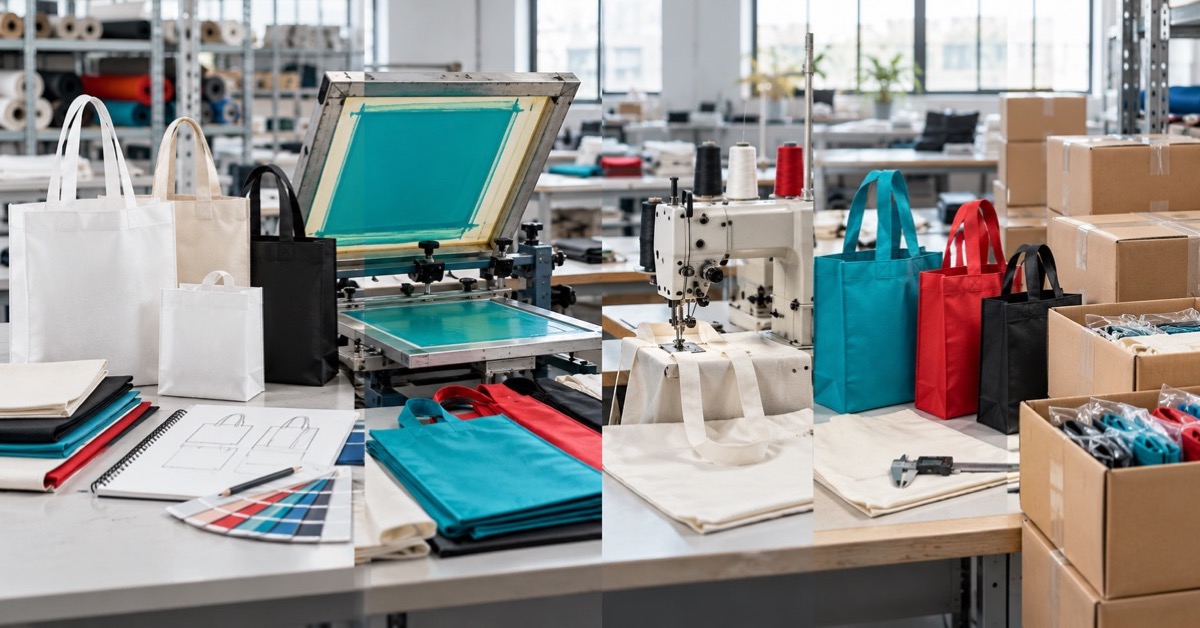


The value of factory direct fabric packaging is created across a sequence of material, cutting, printing, sewing, trim, inspection and packing decisions. PackMK follows that value stream to identify which operations the supplier controls and where buyer evidence should be approved.
Direct purchasing can shorten communication, but it does not remove technical risk. The route below shows how a product brief becomes repeatable fabric packaging and where cost or defects can enter.
PackMK assigns every final decision an owner, approval date and retained reference.
Workstation 1: receive the buyer specification
Translate product, load, dimensions, material, construction, artwork, quantity, destination and delivery into controlled fields. This workstation changes either fit, appearance, durability, cost or repeatability. PackMK records the input, output and inspection evidence before the item moves to the next operation.
Return unanswered questions and confirm units, version codes and owners before quoting. The main failure to prevent is production starting from an incomplete sales description. The approved response is stored with the current specification so production and reorders use the same evidence.
Workstation 2: receive and identify fabric
Record fabric type, weight, color, weave, coating, supplier reference and lot identity on arrival. This workstation changes either fit, appearance, durability, cost or repeatability. PackMK records the input, output and inspection evidence before the item moves to the next operation.
Compare incoming material with approved references and isolate unverified substitutions. The main failure to prevent is the same fabric name covering different lots or constructions. The approved response is stored with the current specification so production and reorders use the same evidence.
Workstation 3: inspect usable fabric width
Measure usable width, edge condition and defects that influence pattern placement and yield. This workstation changes either fit, appearance, durability, cost or repeatability. PackMK records the input, output and inspection evidence before the item moves to the next operation.
Record representative checks across rolls and connect them to the cutting plan. The main failure to prevent is quote assumptions based on nominal width rather than usable material. The approved response is stored with the current specification so production and reorders use the same evidence.
Workstation 4: stabilize material when needed
Define any relaxation, conditioning or pre-treatment required before accurate cutting or printing. This workstation changes either fit, appearance, durability, cost or repeatability. PackMK records the input, output and inspection evidence before the item moves to the next operation.
Measure relevant dimensional change and document the approved method for repeat lots. The main failure to prevent is finished size movement after material leaves the cutting table. The approved response is stored with the current specification so production and reorders use the same evidence.
Workstation 5: release the pattern
Approve panels, seam allowances, gussets, handles, lining, closure and trim positions with a revision code. This workstation changes either fit, appearance, durability, cost or repeatability. PackMK records the input, output and inspection evidence before the item moves to the next operation.
Build a blank sample and compare finished dimensions with the pattern before bulk markers are made. The main failure to prevent is an old pattern used with current artwork or product dimensions. The approved response is stored with the current specification so production and reorders use the same evidence.
Workstation 6: create an efficient marker
Arrange pattern pieces for yield while respecting fabric direction, print placement and defect zones. This workstation changes either fit, appearance, durability, cost or repeatability. PackMK records the input, output and inspection evidence before the item moves to the next operation.
Review any size change or nesting proposal against product fit and approved orientation. The main failure to prevent is material savings that rotate artwork or weaken structure. The approved response is stored with the current specification so production and reorders use the same evidence.
Workstation 7: control cutting
Define layer count, alignment, tool condition, notches, bundle identity and tolerance for each component. This workstation changes either fit, appearance, durability, cost or repeatability. PackMK records the input, output and inspection evidence before the item moves to the next operation.
Measure pieces from different positions and preserve bundle labels through sewing. The main failure to prevent is mixed sizes or cumulative variation hidden inside stacked layers. The approved response is stored with the current specification so production and reorders use the same evidence.
Workstation 8: route artwork to printing
Match the print method to fabric texture, color, coverage, detail and order quantity. This workstation changes either fit, appearance, durability, cost or repeatability. PackMK records the input, output and inspection evidence before the item moves to the next operation.
Approve artwork at final size on the selected fabric and identify special layers or underbase requirements. The main failure to prevent is a paper proof that cannot represent fabric print behavior. The approved response is stored with the current specification so production and reorders use the same evidence.
Workstation 9: monitor print production
Check color, registration, position, coverage, curing and hand feel across the run. This workstation changes either fit, appearance, durability, cost or repeatability. PackMK records the input, output and inspection evidence before the item moves to the next operation.
Compare beginning, middle and end samples with the controlling physical proof. The main failure to prevent is drift or incomplete curing that appears after sewing. The approved response is stored with the current specification so production and reorders use the same evidence.
Workstation 10: prepare trims and components
Identify thread, handles, cords, zippers, snaps, labels, linings and reinforcement by code and color. This workstation changes either fit, appearance, durability, cost or repeatability. PackMK records the input, output and inspection evidence before the item moves to the next operation.
Verify counts and compatibility before components enter sewing bundles. The main failure to prevent is correct fabric combined with the wrong trim version. The approved response is stored with the current specification so production and reorders use the same evidence.
Workstation 11: approve the first sewn unit
Compare finished dimensions, seam allowance, stitch construction, reinforcement, trim position and appearance. This workstation changes either fit, appearance, durability, cost or repeatability. PackMK records the input, output and inspection evidence before the item moves to the next operation.
Load the unit and cycle closures or handles before releasing full-line production. The main failure to prevent is a line producing quantity before construction is verified. The approved response is stored with the current specification so production and reorders use the same evidence.
Workstation 12: balance sewing operations
Map bottlenecks such as handles, lining, zippers, binding or detailed reinforcement rather than quoting total factory capacity. This workstation changes either fit, appearance, durability, cost or repeatability. PackMK records the input, output and inspection evidence before the item moves to the next operation.
Review operator method, jigs, in-process checks and realistic output for the exact design. The main failure to prevent is delivery promises based on unrelated simple products. The approved response is stored with the current specification so production and reorders use the same evidence.
Workstation 13: control in-process identity
Keep size, color and artwork bundles separated and use line-clearance rules between similar variants. This workstation changes either fit, appearance, durability, cost or repeatability. PackMK records the input, output and inspection evidence before the item moves to the next operation.
Reconcile issued, accepted, rejected and packed quantities by SKU. The main failure to prevent is variant mixing discovered only after cartons reach the buyer. The approved response is stored with the current specification so production and reorders use the same evidence.
Workstation 14: run the functional sample
Fill the production-equivalent item, close it, carry or handle it repeatedly and inspect the product interaction. This workstation changes either fit, appearance, durability, cost or repeatability. PackMK records the input, output and inspection evidence before the item moves to the next operation.
Record load, cycles, seam movement, print condition, trim behavior and shape. The main failure to prevent is appearance approval without proof of intended function. The approved response is stored with the current specification so production and reorders use the same evidence.
Workstation 15: conduct final inspection
Check material, dimensions, construction, print, trims, function, cleanliness, quantity and version identity. This workstation changes either fit, appearance, durability, cost or repeatability. PackMK records the input, output and inspection evidence before the item moves to the next operation.
Sample across production periods and cartons using named acceptance evidence. The main failure to prevent is selected top pieces hiding bulk variation. The approved response is stored with the current specification so production and reorders use the same evidence.
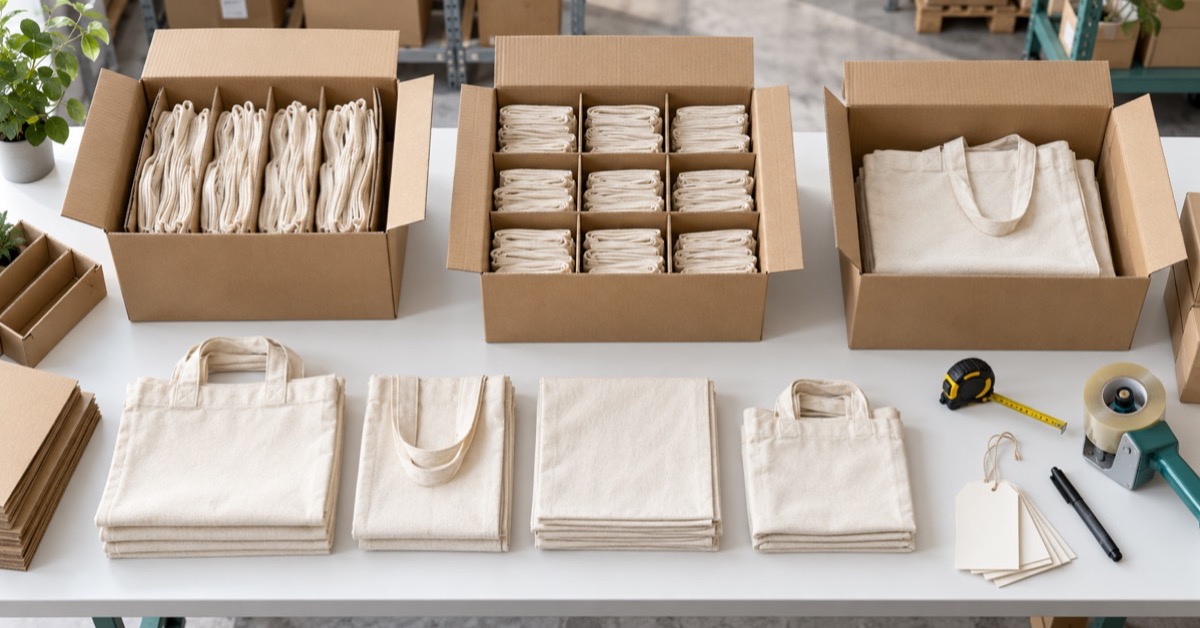
Workstation 16: approve folding and export packing
Define folding, handle or cord position, inner protection, bundle quantity, carton strength and labels. This workstation changes either fit, appearance, durability, cost or repeatability. PackMK records the input, output and inspection evidence before the item moves to the next operation.
Pack representative cartons and inspect shape recovery, rubbing and moisture protection. The main failure to prevent is finished goods damaged by the final operation. The approved response is stored with the current specification so production and reorders use the same evidence.
Workstation 17: close material and quantity records
Reconcile fabric use, trim use, accepted product, waste, rework and shipment quantity. This workstation changes either fit, appearance, durability, cost or repeatability. PackMK records the input, output and inspection evidence before the item moves to the next operation.
Investigate large differences and update the next quotation or marker assumptions. The main failure to prevent is repeat pricing built on unexplained yield or quantity loss. The approved response is stored with the current specification so production and reorders use the same evidence.
Workstation 18: retrieve the repeat-order baseline
Store material references, pattern, artwork, process route, approved sample, test, inspection and packing. This workstation changes either fit, appearance, durability, cost or repeatability. PackMK records the input, output and inspection evidence before the item moves to the next operation.
Ask production staff to retrieve the active version before accepting a reorder release. The main failure to prevent is a repeat order reconstructed from memory or an old sample. The approved response is stored with the current specification so production and reorders use the same evidence.
Follow value through the fabric process
| Operation | Value created | Evidence |
|---|---|---|
| Material receipt | Known input | Lot and reference |
| Cutting | Dimensional consistency | Measured pieces |
| Printing | Brand result | Physical proof |
| Sewing | Functional construction | Loaded sample |
| Packing | Arrival condition | Carton trial |
Find cost and risk at the responsible workstation
| Symptom | Likely station | Review |
|---|---|---|
| Size variation | Cutting or sewing | Pattern and tolerance |
| Print shift | Printing or cutting | Position controls |
| Handle failure | Sewing | Attachment and load |
| Mixed version | Bundle control | SKU identity |
| Creasing | Packing | Fold and recovery |
Use textile and quality resources as context
External frameworks support material and process questions, while the approved fabric reference and finished-product test control the order. Review the Textile Exchange materials resources and ISO quality management principles for process and sourcing context. Project acceptance still depends on the actual product, order and destination.
Document factory direct fabric packaging by operation
For factory direct fabric packaging, record material receipt, fabric inspection, pattern marker, cutting control, sewing construction, printing route, trim attachment, loaded sample, final inspection, export packing. The controlled file also identifies PackMK, ISO, Textile Exchange, cotton, canvas, Oxford cloth, MOQ, carton. These terms turn a broad search phrase into a specification that suppliers can quote and inspectors can verify.
Source factory direct fabric packaging with PackMK
PackMK can develop factory direct fabric packaging from the initial brief through samples, production, quality checks and export packing. Send PackMK the product, intended use, artwork, quantity, variants, destination and required date to request a structured quotation for factory direct fabric packaging.
- Explore PackMK fabric packaging formats
- Review PackMK textile development support
- Request a fabric packaging quotation
Factory-direct fabric packaging questions
What information is needed for a fabric packaging quote?
For factory direct fabric packaging, provide product dimensions and load, material and construction preferences, pattern or size, trims, artwork, quantity, packing, destination and required date.
What does factory direct mean for fabric packaging?
It generally means purchasing closer to production, but buyers should still verify which material, printing, sewing, inspection and packing processes are controlled.
How should incoming fabric be checked?
Verify type, weight, color, weave, coating, usable width, lot identity and visible defects against approved references before cutting.
Why is pattern control important?
The pattern defines panels, seam allowances, gussets, handles, lining and trim positions, so every revision must stay synchronized with artwork and product fit.
When should printing occur in the process?
The correct route depends on artwork, fabric and construction; print position must account for cutting, seams, folds and later sewing operations.
What should a first sewn unit approval include?
Check dimensions, material, seam and stitch construction, reinforcement, trims, print position, closures, loaded behavior and appearance.
How should factory capacity be assessed?
Evaluate capacity for the exact cutting, printing, sewing, finishing and manual operations required, including current workload and outsourced bottlenecks.
How is fabric packaging inspected?
Inspect materials, dimensions, construction, print, trims, function, cleanliness, quantity, version separation, inner packing and cartons.
What affects export packing?
Fabric thickness, structure, handles, cords, folds, individual protection, pieces per carton, moisture and required shape recovery all matter.
What records protect a repeat order?
Keep material and trim references, pattern, artwork, process route, approved sample, functional test, inspection criteria, variants and carton specification.