

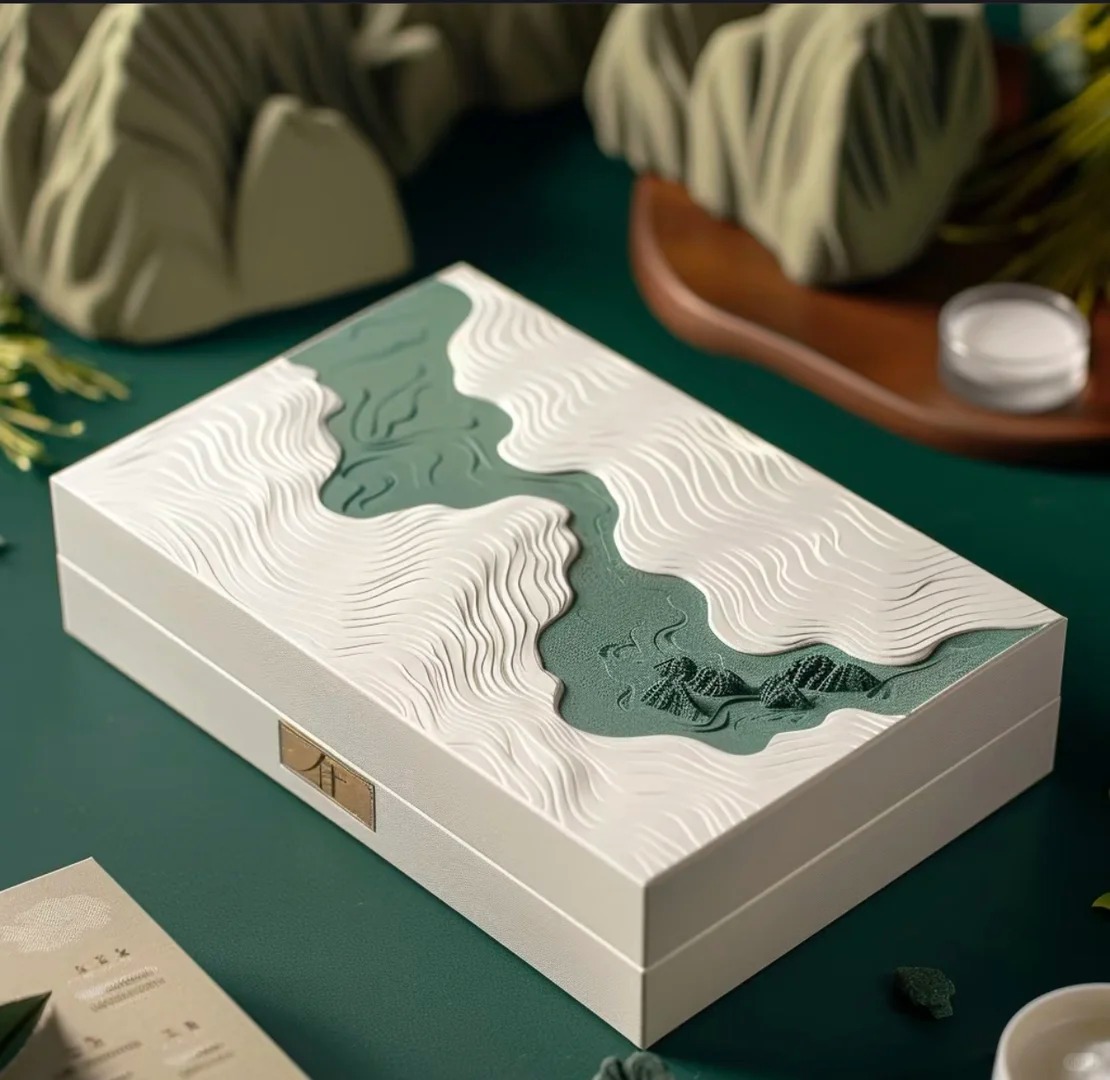
Embossing looks simple in artwork: select a shape and raise it from the surface. Production adds paper stretch, die geometry, pressure, registration and the stiffness of the board underneath. When embossed packaging boxes disappoint, the visible symptom usually points to a specific combination of design, material or setup.
Symptom: the embossed detail looks shallow
The die may be too gentle, the paper too stiff, the board structure too resistant or the pressure too low. Small details can also disappear when the relief area is crowded. Compare several viewing angles and decide whether the goal is a subtle texture or a clearly raised logo.
Symptom: paper cracks around the raised area
Cracking can result from excessive depth, sharp transitions, brittle coating or an unsuitable paper grain and construction. Reducing depth, softening the die shoulder or changing the surface material may help. The solution should be tested on the exact production stock.
| Visible problem | Possible cause | Sample check |
|---|---|---|
| Weak relief | Low pressure, shallow die or rigid material | Compare depth and edge definition |
| Cracked surface | Excess stretch or brittle coating | Bend and inspect under side light |
| Soft fine detail | Artwork is too small or crowded | Enlarge critical lines on a test die |
| Foil is offset | Separate processes are not registered closely | Measure shift on several samples |
| Board is crushed | Pressure or support is poorly balanced | Inspect the reverse and assembled box |
Symptom: fine lines merge into one shape
Very narrow gaps may close when paper is formed between the dies. Simplify the artwork and protect negative space around letters. A bold emblem often produces a cleaner tactile result than a miniature illustration.
Symptom: foil and embossing do not align
When foil and relief are applied in separate operations, registration tolerance becomes visible around thin borders. Build the design with enough overlap or clearance to absorb normal movement. Approve the combined process, not separate foil and emboss samples.
Symptom: the box panel warps or feels crushed
Deep relief on a laminated or mounted structure can mark the reverse, weaken a fold or compress the board. Move the feature away from creases and glue areas. Assemble the full sample because a flat panel can hide the functional effect.
Material sourcing still matters after the die is approved
Paper texture, fiber behavior and coating can change the result. When responsible forest sourcing is part of the brief, review the FSC chain-of-custody overview and confirm the evidence for the actual material used.
Inspect with touch, side light and assembly
Run a finger across the feature, turn it under side light and check several production positions. Then fold and assemble the box. Good embossed packaging boxes should keep their intended relief without cracking, obvious misalignment or loss of function.
- Explore PackMK rigid gift boxes
- Review PackMK finishing capabilities
- Submit embossing artwork for review
Successful embossed packaging boxes begin with artwork designed for physical depth and end with inspection of the complete assembled package, not only the flat decorated sheet.
Embossed box production questions
What artwork is needed for embossed packaging boxes?
Provide vector artwork with the embossed area clearly identified, final size, position and any related foil or print layers.
Can embossing be combined with foil stamping?
Yes, but the combined finish must be sampled because alignment and material behavior affect the final result.
Why can paper crack during embossing?
Depth, die shape, coating, paper construction, grain and pressure can all contribute to surface cracking.
Should embossing cross a box fold?
It is usually safer to keep relief away from critical folds and glue areas unless the complete structure has been tested.