

Custom shopping bags are part packaging, part store equipment and part brand media. PackMK plans them around actual checkout behavior: what customers buy together, how staff open and fill the bag, how the handles carry weight and how cartons are replenished behind the counter.
This field-audit approach prevents a common mistake: approving a beautiful empty sample that is slow to use or unsuitable for the real basket. The bag must perform during a busy shift, survive the customer journey and remain economical to store and reorder.
1. Observe one complete store shift before specifying the bag
Watch receiving, backroom storage, checkout, gift wrapping and end-of-day replenishment. Record where bags are stored, how quickly staff can separate them and which products create awkward loads. Interview staff after observation rather than relying only on stated preferences.
Separate permanent requirements from temporary campaign needs. This reveals whether the core bag should remain stable while seasonal messages move to tags, labels, tissue or inserts.
2. Build buyer profiles from transaction patterns
A fashion boutique, bookstore, cosmetics counter and grocery retailer create different load shapes. Review transaction data or sample receipts to identify common product combinations, not only the largest individual item. Note fragile, sharp, tall, moist or unusually heavy products.
Define who the bag is not for. A lightweight promotional carrier may not suit boxed glass products. A premium paper bag may not be the right format for wet goods or long outdoor journeys.
3. Create a size ladder from real baskets
Lay out representative orders and test the smallest bag that allows quick packing without crushing the product. Too many sizes slow selection and increase inventory. Too few sizes waste material and can make small purchases look poorly presented.
| Size role | Typical basket | Store check | Inventory risk |
|---|---|---|---|
| Small | One compact item or accessory | Easy counter access | Overuse when medium is unavailable |
| Medium | Most daily transactions | Fast default selection | Highest consumption rate |
| Large | Bulky or combined purchase | Safe loading and carry | Slow movement or excess storage |
| Special format | Long, fragile or premium product | Clear staff rule | Obsolete stock if overordered |
4. Match material to the store journey
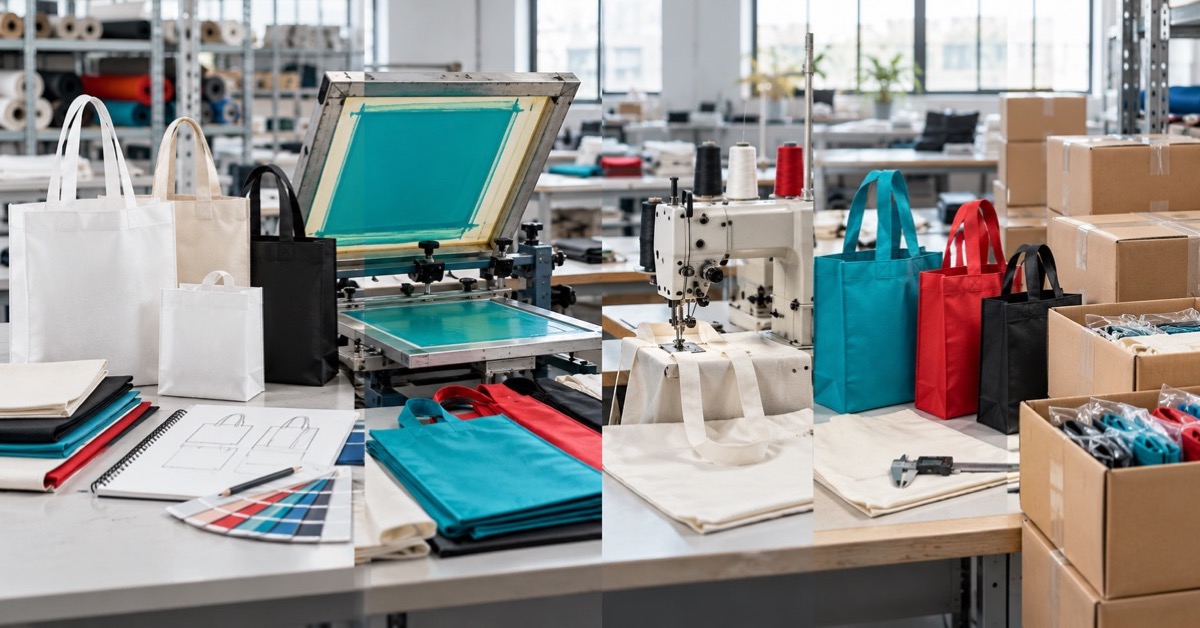
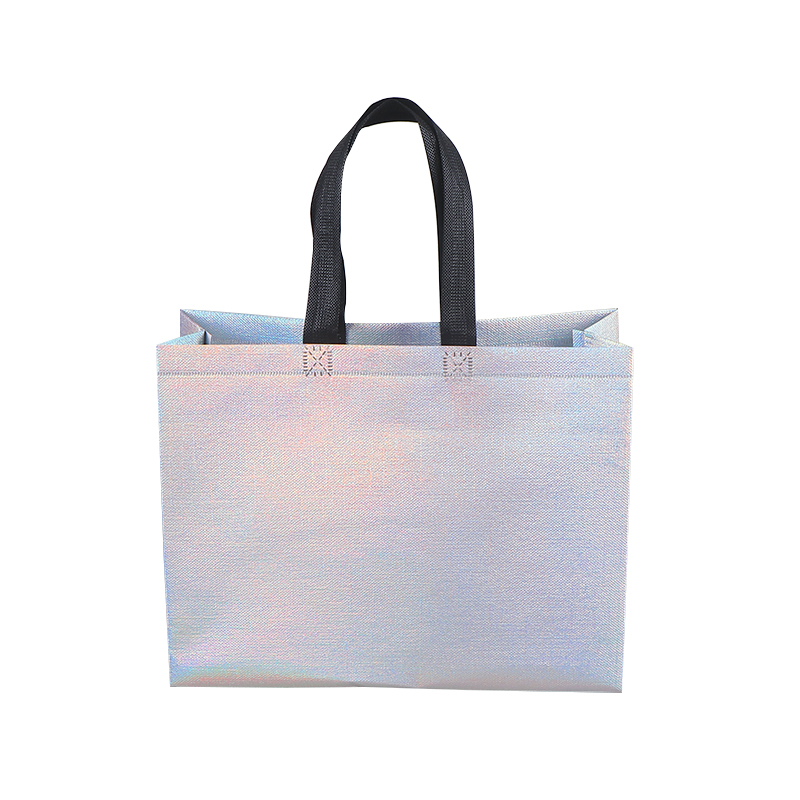
Paper, non-woven fabric, cotton and other reusable materials offer different opening, storage, printing and carrying behavior. Specify the journey first: short indoor carry, repeated reuse, gift presentation or heavier transport.
Do not reduce the decision to a broad sustainability label. The EPA materials management hierarchy provides general context. The practical choice should also consider material use, useful life, accurate claims and local systems.
5. Engineer handles around load and comfort
Handle width, drop, attachment and reinforcement must work with the bag body. Test the heaviest realistic basket and observe whether the top edge distorts, punched areas tear or the handles become uncomfortable.
Measure handle drop with the bag filled. A dimension that looks correct on a flat sample may place a large bag too close to the ground or make it difficult to carry over a coat.
6. Put artwork where handling will not destroy it
Keep key logos away from folds, seams, handle reinforcement and high-friction zones. Approve artwork at actual bag size because a graphic that looks balanced on screen can appear too small or too close to construction details.
For brown or textured materials, approve physical color output. If certified paper sourcing is requested, consult the official FSC paper packaging information and verify the order-specific documentation before printing a claim.
7. Test custom shopping bags at checkout speed
Give production-equivalent samples to staff and ask them to pack normal orders during a controlled trial. Time opening, product loading, receipt placement and handoff. Observe whether the bag collapses, sticks together or requires excessive counter space.
PackMK recommends capturing both speed and failure evidence. Staff comments are useful, but a simple record of seconds, torn handles, missed sizes and customer repacking creates stronger decisions.
8. Compare structures with a store operations matrix
| Format | Strength | Best for | Operational concern | Cost level |
|---|---|---|---|---|
| Twisted-handle paper | Good presentation and branding | Boutiques and gifts | Handle and moisture limits | Medium |
| Flat-handle paper | Efficient stacking | Food and general retail | Load specification | Low to medium |
| Non-woven tote | Reusable and structured | Events and retail programs | Bulk storage volume | Medium |
| Cotton or canvas | Longer-use brand item | Merchandise and loyalty | Higher unit investment | Medium to high |
The matrix is a starting point, not a universal ranking. Test the selected construction with actual products, staff and storage conditions.
9. Define quality checks at receiving
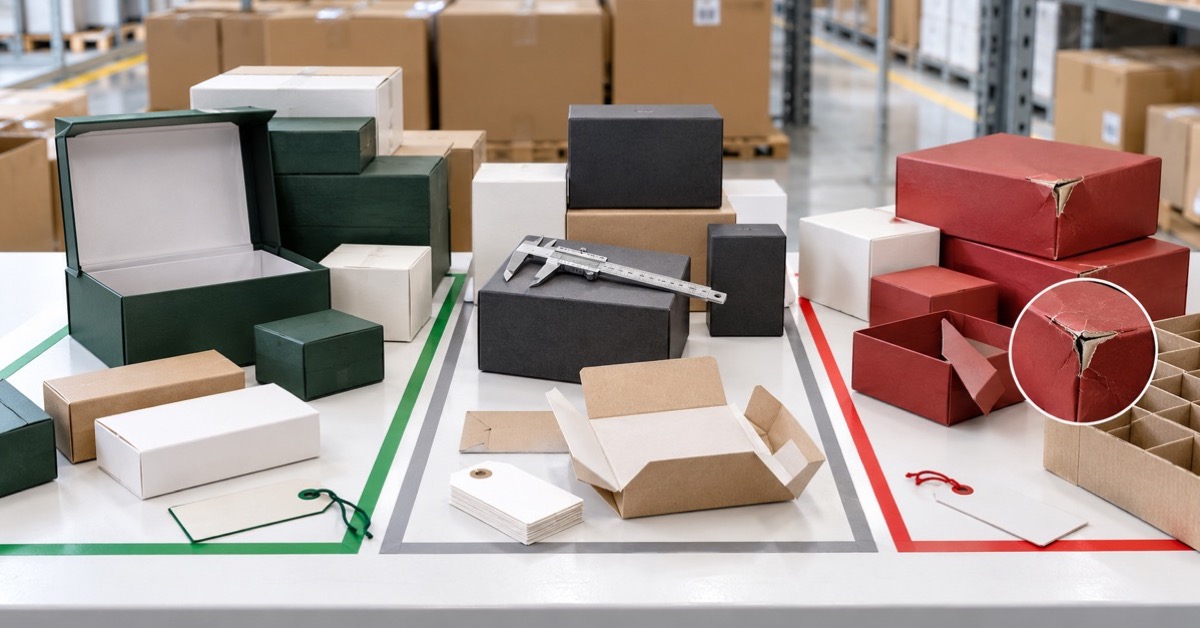
Inspect dimensions, material, print, handles, seams or glue, opening behavior, odor, visible contamination, quantity and carton labels. Compare random samples with the approved physical reference and perform a loaded carry test.
Separate critical defects from cosmetic variation. A wrong version, failed handle or unsafe construction needs immediate containment. A minor visual difference should be judged against the agreed tolerance and use context.
10. Pack cartons for counter replenishment
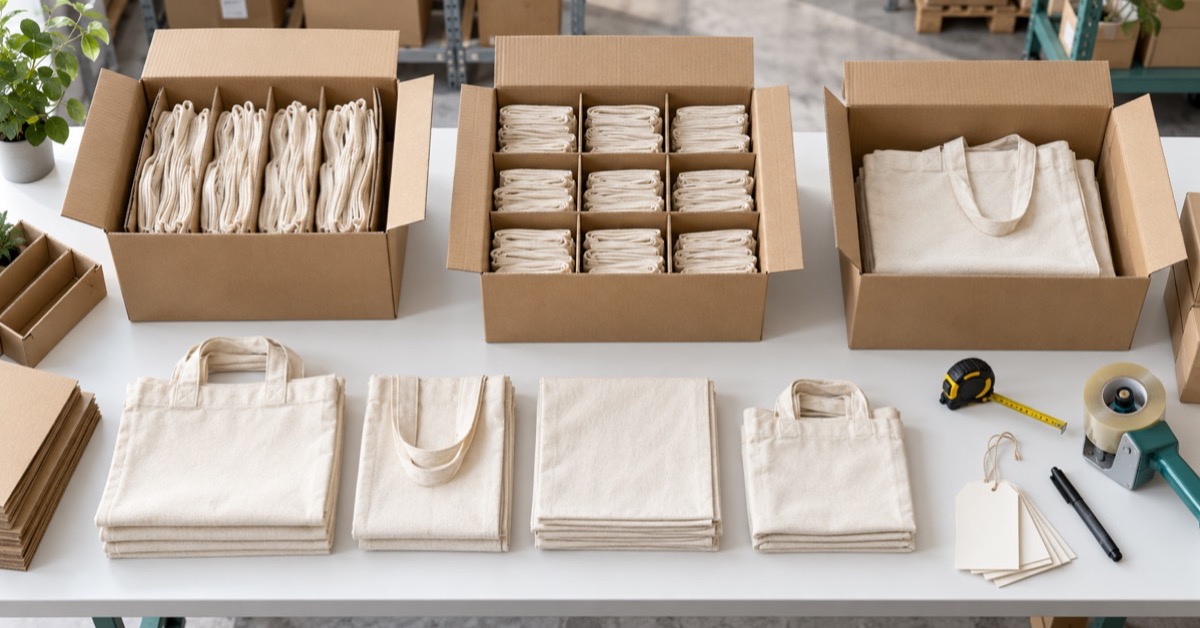
Carton quantity should match store consumption, lifting limits and available backroom space. Identify bag size, artwork version, pieces and destination on every carton. If several stores receive different allocations, pre-sorted cartons may reduce distribution errors.
Protect handles and printed surfaces from crushing or rubbing. Test whether a carton can be opened and resealed without disrupting the remaining stock.
11. Forecast stock and seasonal demand separately
Set reorder points from average consumption, peak sales, supplier lead time and safety stock. Track each size independently because medium bags may move much faster than large bags. Review campaign inventory before ordering permanent stock.
For seasonal custom shopping bags, keep the dated element as flexible as possible. A stable bag with a campaign tag or insert can reduce leftover inventory without weakening the customer experience.
12. Control cost through fewer better decisions
Reduce cost by simplifying the size family, sharing materials, controlling print coverage and aligning carton quantities with actual distribution. Do not reduce handle reinforcement, bag dimensions or board strength without repeating the loaded workflow test.
Compare total store cost, not only unit price. Slow opening, excessive storage, emergency reorders and customer bag failures can outweigh a small purchasing saving.
13. Launch a store-ready bag system with PackMK
PackMK can develop custom shopping bags across paper and reusable formats, with coordinated sizes, materials, handles, printing and packing. The final specification should be simple enough for staff to use correctly without verbal explanation.
Before bulk release, run a limited store pilot with production-equivalent bags. Compare opening time, size selection, loaded failures, counter storage, staff feedback and customer carry behavior against the approved targets. Record any change to material, handle attachment, carton quantity or artwork before issuing the final purchase order.
Translate the pilot into a one-page store guide showing which size to use, maximum intended load, how cartons are identified and when stock should be reordered. This handover helps new staff use the system consistently and gives managers a practical basis for reporting failures or unusual demand.
Send product examples, typical basket data, bag sizes, load expectations, artwork, quantities, store allocation and delivery timing. PackMK can then prepare a sample and quotation tied to the actual retail workflow.
- Explore PackMK shopping bag and packaging formats
- Review PackMK bag customization support
- Request a custom shopping bag quotation
Custom shopping bag buyer questions
What should a buyer provide when ordering custom shopping bags?
Provide the main products carried, typical combined load, preferred size range, material, handle style, artwork, order quantity, store count, carton limits and delivery schedule.
How many shopping bag sizes does a retailer need?
Most retailers benefit from a small size ladder that covers common baskets. Add a size only when transaction data shows a repeated gap in product fit or carrying safety.
How should shopping bag strength be tested?
Pack the sample with realistic mixed products, carry it through a normal customer journey and inspect the base, seams, handles and top edge after repeated cycles.
Which handle style is best for retail shopping bags?
The best handle depends on load, bag material, customer comfort, brand position, packing speed and storage. It should be tested as part of the finished bag.
Can permanent bags support seasonal campaigns?
Yes. A stable bag can be combined with seasonal labels, tissue, tags or inserts, reducing the risk of obsolete bags after a short campaign.
Should ecommerce and store bags use the same format?
They can share visual assets, but shipped orders normally need separate sealing and transport protection. Store carry and parcel handling create different risks.
How can stores avoid running out of bags?
Set a reorder point using store consumption, safety stock, supplier lead time, shipment frequency and campaign peaks. Track permanent and seasonal stock separately.
What affects the price of custom shopping bags?
Material, size, print coverage, handle construction, reinforcement, finishing, quantity, packing method and delivery allocation all affect price.
What should be inspected when bags arrive?
Check carton labels, quantity, size separation, print, dimensions, opening, handles, base construction, odor, visible damage and agreement with the approved sample.
Can PackMK coordinate several bag materials?
PackMK can develop paper, non-woven, cotton, canvas and other shopping bag formats according to the required use, brand system and order plan.