

Why buyers look for a custom printed Tyvek bag with logo
A custom printed tyvek bag with logo is usually not bought for one reason only. Buyers want a carry item that does three jobs at once: hold materials, display a brand clearly, and survive more than one event cycle. That makes it useful for trade shows, exhibition giveaways, retail handouts, and lightweight shopping or document carry. For sourcing teams, the real question is less about whether the bag looks good in a product shot and more about whether the construction, print area, and material feel match the message the brand wants to send.
Tyvek-style bags sit in an interesting middle ground. They are lightweight, paper-like, and easy to brand, yet they are often chosen for reuse rather than disposable packaging. That matters for marketing teams because a bag that gets used again after the event can keep the logo moving through offices, trains, and customer visits. In other words, the tote becomes a mobile signboard. The catch, of course, is that buyers need to be careful about the exact material and build. A lot of products are described loosely, and not every printed tote called “Tyvek” is actually made from the same substrate.
What the finished bag usually needs to do
From a buyer’s point of view, the job is straightforward: carry light to medium-weight items without collapsing, keep the print legible from a distance, and feel appropriate for the occasion. Exhibition bags often need a large front panel for a logo or campaign graphic. Retail event packaging may need more visual polish. A conference gift bag may need a flatter profile so it sits neatly on a table and does not wrinkle the printed brand too aggressively.
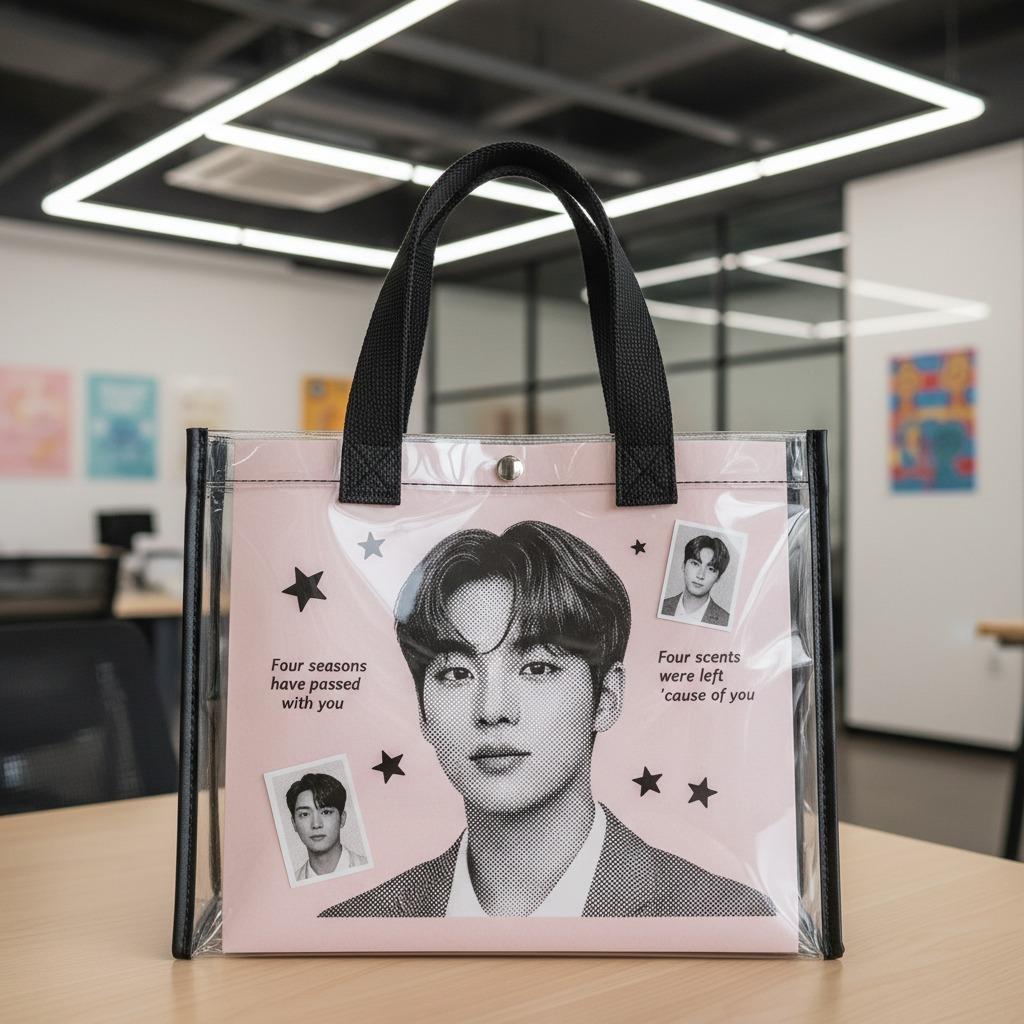
The examples in the preparation data point to two common directions. One is a large rectangular promotional tote with a prominent logo printed on a Tyvek-like body and long webbing handles. The other is a transparent reusable tote with a structured shape, black handles, and a printed insert or liner visible through the clear outer shell. Those are different constructions, but they solve similar branding problems. The choice depends on whether the buyer wants a paper-textured promotional look or a cleaner display-style bag where the contents or insert remain visible.
Tyvek-style promotional bags versus clear display totes
Tyvek and Tyvek-like nonwoven bags
A Tyvek-style tote is often chosen when the buyer wants a matte, crinkled surface that feels a little more technical or premium than ordinary paper. It can be a good fit for logo printed tyvek bags used at exhibitions, launches, and corporate events. The large printable area helps the brand stand out, and the material usually supports a crisp graphic look when the print process is matched correctly to the substrate.
Transparent reusable tote bags
The clear tote described in the product notes serves a different merchandising role. Its transparent body, structured boxy form, and visible insert make it suitable for fan merchandise, gift packaging, or retail display. The black woven handles and metal ring attachments add a more finished appearance. This kind of bag may not be what buyers mean when they search for a tyvek shipping bag with logo, but it can still fall under custom promotional tote sourcing if the goal is branded presentation rather than pure logistics.
What to check before placing a custom order
The first item is the actual base material. If a supplier says Tyvek, ask for clear confirmation of the substrate and whether the surface is laminated, coated, or raw nonwoven. If the bag is transparent, ask whether the print is directly applied, inserted behind a clear panel, or built as a liner. That affects durability, appearance, and cost.
Next, look at the handle attachment points. The visible examples use long webbing handles, and one bag shows ring-style hardware at the anchors. That suggests the designer wanted a stronger visual finish and a more secure hand feel. For event bags, handle comfort is easy to overlook, but it matters when the bag is loaded with catalogs, samples, or boxed gifts.
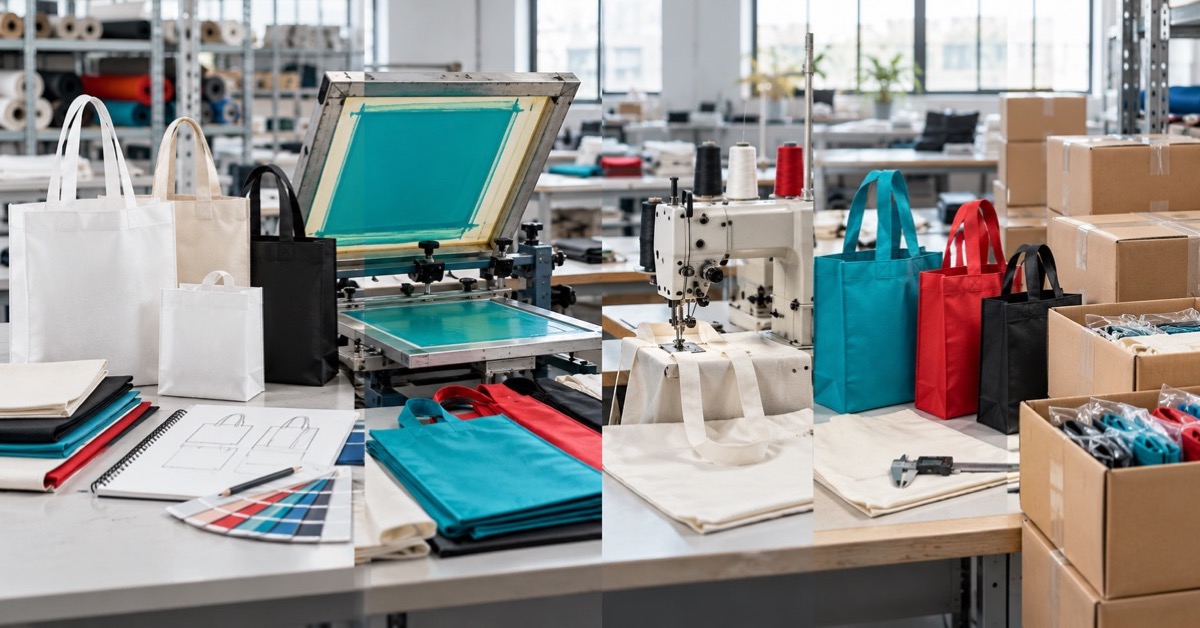
Print method is the other major decision. Screen printing, heat transfer, and digital printing can each make sense depending on the artwork, quantity, and surface. Fine detail, gradient color, and full-panel graphics do not all behave the same way. Buyers often underestimate this and approve artwork that looks fine on a screen but lands poorly on a wrinkled or textured bag surface.
Common mistakes buyers make
One common mistake is treating the bag as a simple giveaway and ignoring how the brand will look once the bag is folded, carried, or partially loaded. Another is choosing a print design that is too busy for the available panel size. A strong logo usually outperforms a crowded design on this kind of product.
There is also a practical warning: not every promotional tote is suitable for heavier items or repeated daily use. The product notes mention light to medium-weight carry use, which is the safer assumption unless the supplier provides verified performance data. If you need shipping-grade strength, do not rely on product photos alone. Ask for construction details and real sample evaluation.
When a custom logo tote makes sense
For buyers planning an exhibition, conference, brand activation, or retail gift package, a custom printed tyvek bag with logo can be a smart compromise between appearance and utility. It gives you a large branding surface, a reusable format, and a material feel that is different from ordinary polypropylene shopping bags. If the design is right, it can also signal a more thoughtful brand presentation.
For companies comparing logo printed tyvek bags and tyvek shipping bag with logo options, the key is to separate marketing use from transportation use. A show bag wants visibility and comfort. A shipping-style bag wants protection and consistency. Those are not always the same product.
Buyer-facing next step
Before requesting quotes, prepare three things: the intended use case, the preferred bag style, and the logo file or front-panel artwork. Then ask the supplier to confirm material, print method, handle construction, and whether the sample shown is a finished bag or a visual mockup. That short checklist saves a lot of back-and-forth and helps you compare offers on equal terms rather than guessing from pictures.
If the bag will represent your brand in public, it is worth slowing down at the specification stage. A well-made promotional tote does more than carry items. It carries judgment.