

Custom printed labels combine brand graphics, product information and an adhesive construction that must work on the real package. PackMK treats each label as both an artwork version and an application component, so visual approval is connected to physical performance.
Start with the package surface and use environment
Identify whether the label will be applied to paper, glass, plastic, coated film or a textured surface. Record curve, cleanliness, temperature, moisture, friction and expected service life. Test on the final package rather than a substitute panel.
Define the complete label construction
| Layer or feature | Decision | Approval method |
|---|---|---|
| Face material | Paper, film or specialty stock | Printed material sample |
| Adhesive | Permanent, removable or application-specific | Applied package test |
| Liner | Strength and release behavior | Dispensing trial |
| Printing | Color, opacity and small text | Signed color proof |
| Finish | Varnish, lamination or special effect | Handling and appearance review |
| Die cut | Shape, gap and corner radius | Roll or sheet inspection |
Create one version code for every SKU
Product name, size, language, barcode, market and campaign changes can create near-identical labels. Assign a visible code to each approved artwork and connect it to the correct material, die and packing format.
Separate fixed graphics from variable information
Decide whether dates, lots, prices or serial data will be printed during label production or added later. Reserve adequate space and contrast. Test the actual coding method before releasing the main artwork.
Check barcode size and print quality in context
Barcode requirements depend on the symbol and use. GS1 provides official barcode standards information. Confirm the correct data, size, quiet zones, contrast and verification process for the intended market.
Specify roll geometry for the application equipment
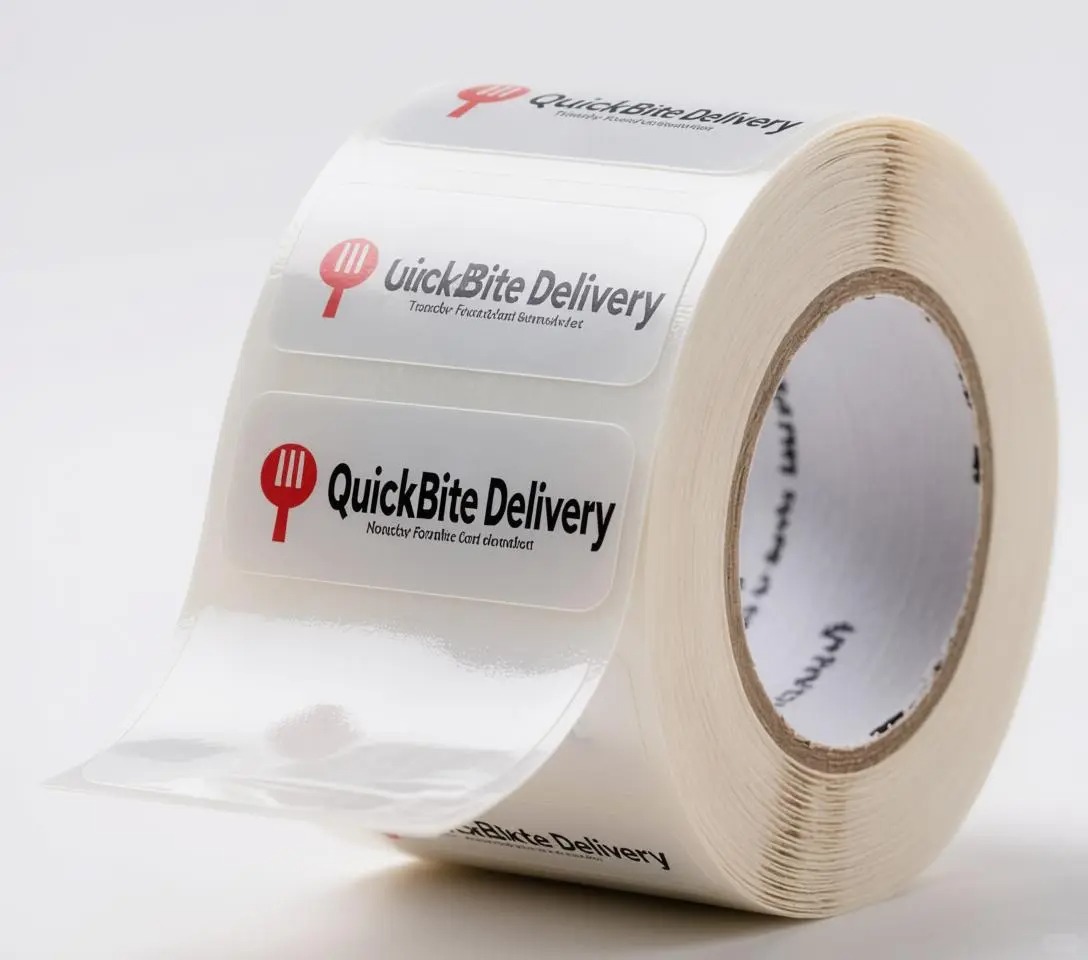
For roll labels, document winding direction, core size, maximum roll diameter, labels per roll and gap. A visually correct label can still cause downtime if the roll does not match the dispenser or applicator.
Review color and finish under handling conditions
Rub, moisture and repeated contact can change the appearance of custom printed labels. Inspect solid colors, fine lines, reverse text and coating edges. Approve the label on the package under realistic lighting.
Use layered inspection instead of one final glance
Check incoming material, first production output, die-cut consistency, roll winding and packed quantity. PackMK can align inspection points with the buyer's critical risks, including version mixing and application failure.
Build a controlled reorder record with PackMK
PackMK can produce custom printed labels using approved artwork, material, adhesive, die and roll specifications. Retain an applied sample and roll reference so the next order can be compared with physical evidence.
- Explore PackMK labels and packaging
- Review PackMK custom production support
- Send a custom label specification
Custom printed label questions
What details are needed to quote custom printed labels?
Provide size, shape, surface, environment, material, artwork, quantity, application method and roll or sheet requirements.
Why should labels be tested on the final package?
The surface material, curve, coating, cleanliness and use environment can all affect adhesion and appearance.
How can similar label versions be kept separate?
Use a unique artwork code, clear roll labels, carton identification and a controlled SKU-to-version register.
What should be saved for label reorders?
Keep approved artwork, construction details, die information, roll geometry, applied samples and inspection records.