


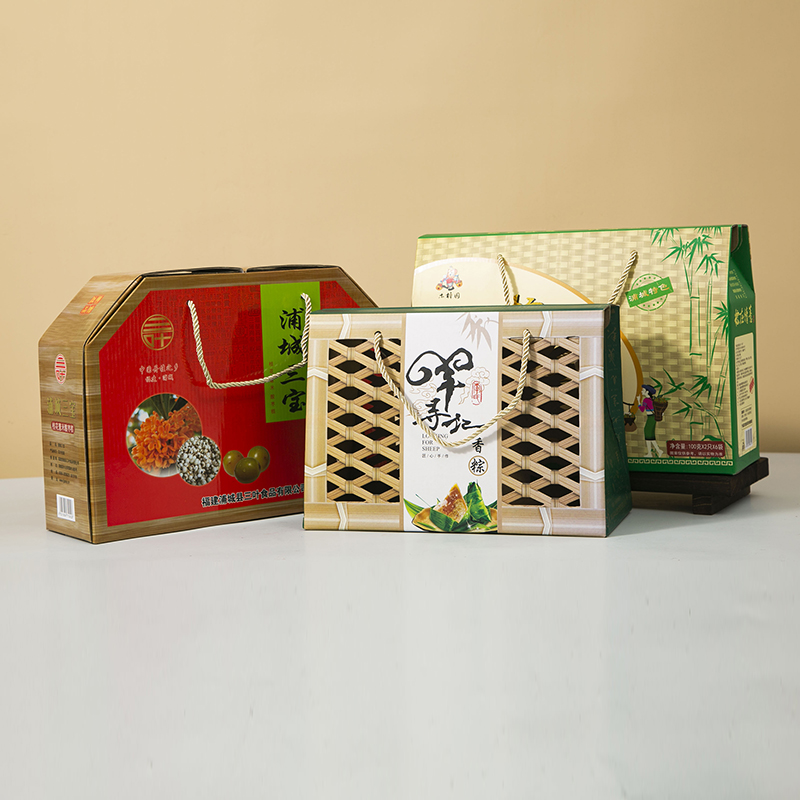
A useful custom packaging quote is more than a unit price. It is a dated snapshot of one specification, one quantity, one packing method and one delivery assumption. If those inputs differ between suppliers, the lowest number may describe a different product.
Start with a specification snapshot, not an open question
Send the same brief to every supplier. Include the finished size, structure, material, print colors, finish, order quantity, individual packing and delivery destination. Mark any item that is still flexible so the supplier can show an alternative without silently changing the base offer.
Build the request in four pricing blocks
| Pricing block | What to request | Why it matters |
|---|---|---|
| Development | Artwork setup, tooling, mold, plate and sample charges | Separates one-time cost from repeat production |
| Production | Unit price at named quantities and the included specification | Shows the real quantity curve |
| Packing | Individual packing, bundle count, carton size and gross weight | Affects labor, storage and freight |
| Delivery | Trade term, origin point, destination and excluded charges | Prevents unlike logistics assumptions |
Normalize offers before comparing unit prices
Create one comparison row for each specification item. A lower price may use lighter material, fewer print colors, a simpler finish or more units per carton. Record deviations beside the number instead of trying to remember them during a meeting.
Separate one-time charges from repeat-order cost
Tooling and samples can make the first order look expensive while having little effect on a reorder. Compare the first-order total, the repeat-order total and the expected number of units over the useful life of the artwork. Ask which tools can be reused and what would trigger a new charge.
Request quantity scenarios that match real demand
Ask for two or three quantities you could realistically buy, not arbitrary round numbers. Include the quantity at which a material, print process or packing method changes. This helps the custom packaging quote show operational breakpoints rather than an attractive price at an unusable volume.
Write every logistics assumption beside the offer
State whether freight, duties, destination handling and insurance are included. The ICC Incoterms rules overview explains the standardized trade terms used to divide delivery responsibilities. Confirm the selected term and named place in the final order documents.
Convert the selected offer into an approval baseline
Attach the approved drawing, material reference, color standard, sample decision, packing specification and quote revision to the purchase order. If one element changes, request a revised quote instead of accepting a price adjustment in an email thread.
- Review PackMK OEM and ODM development
- Explore PackMK packaging categories
- Request a project-based packaging quote
A comparable custom packaging quote keeps price, specification, packing and delivery assumptions together. That makes approval easier and gives repeat orders a clear commercial baseline.
Custom packaging quote questions
What information is needed for a custom packaging quote?
Provide product type, finished size, material, artwork, print colors, finish, quantity, packing and delivery destination.
Why do packaging quotes from suppliers differ so much?
The offers may use different materials, print processes, quantities, packing methods, trade terms or assumptions about tooling and freight.
Should sample charges be included in the unit price?
Keep sample and tooling charges separate so the first order and repeat-order economics can be compared clearly.
How long should a packaging quotation remain valid?
Use the validity period stated by the supplier and request a refresh if material, exchange-rate, freight or specification assumptions change.