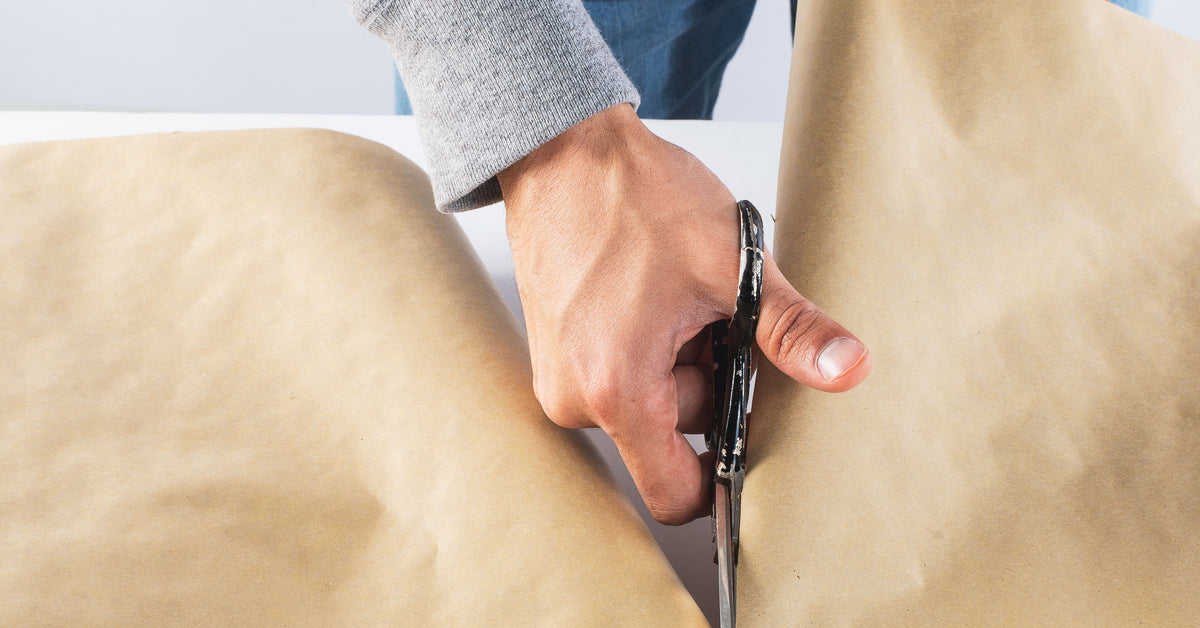


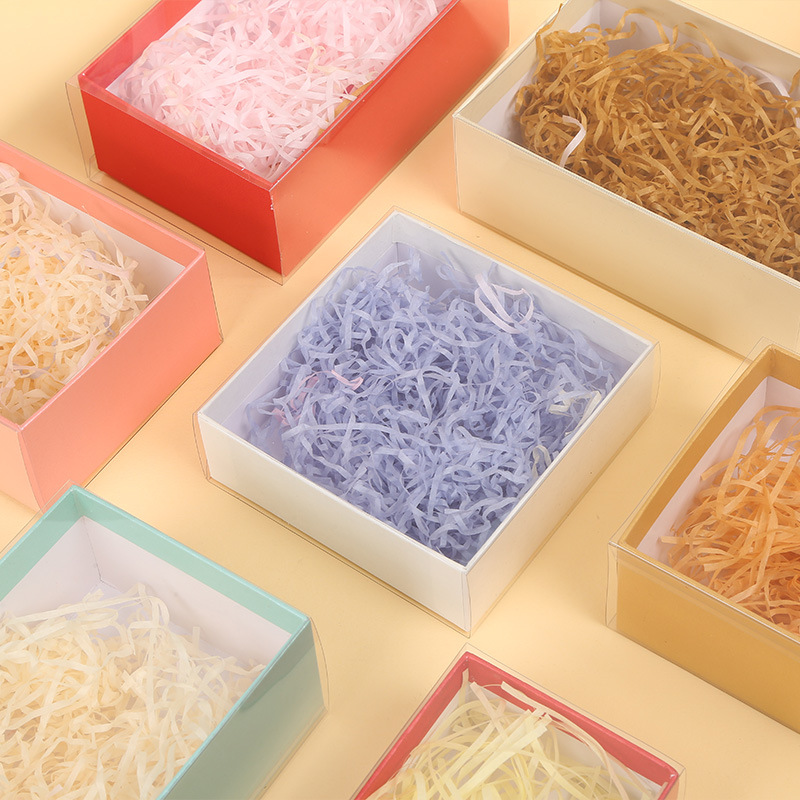
Custom packaging production time should be planned as a chain of approvals and production gates, not one promised date. The schedule becomes reliable when each stage has an owner, input and exit condition.
Define when the production clock actually starts
Clarify whether timing begins after deposit, final artwork, material approval, sample approval or all of them. Record the release date in writing. A quote created before artwork is ready is not yet a production schedule.
Map the critical path by milestone
| Milestone | Required input | Exit condition |
|---|---|---|
| Artwork release | Final dimensions, files and color references | Approved production proof |
| Material release | Approved substrate and quantity | Material available and checked |
| Tooling or setup | Released drawing | Tool or setup sample accepted |
| Printing and converting | Approved first piece | Planned quantity completed |
| Inspection | Acceptance criteria | Records and disposition complete |
| Packing | Bundle and carton specification | Shipment-ready cartons counted |
| Logistics handoff | Trade term and booking data | Carrier or forwarder receipt |
Put buyer approvals on the same calendar
Sample delivery is not the same as sample approval. Reserve time for internal review, consolidated comments and revised proofing. Name one decision owner so conflicting feedback does not restart the schedule.
Identify long-lead materials before artwork is final
Special paper, fabric, film, handles, accessories or finishes may control the path. Ask which materials can be reserved before final print approval and which changes would make the reservation unusable.
Sequence printing, curing and finishing realistically
Ink or coating may need time before lamination, foil, die cutting, sewing, folding or packing. Compressing the sequence can create scuffing, blocking, cracking or odor. The route should reflect the actual product, not a generic factory average.
Protect inspection time from last-minute compression
Define checks while there is still time to correct problems. If approval delays consume the buffer, do not automatically remove inspection. Replan the shipment milestone or agree on a documented risk decision.
Separate factory completion from delivery
Finished production still requires packing, documents, pickup and transport. The ICC Incoterms rules overview explains standardized delivery terms. Confirm the named place and responsibility handoff used in the schedule.
Control changes with schedule impact notes
When artwork, material, quantity or packing changes, record the affected stages and issue a revised milestone plan. This keeps custom packaging production time visible instead of letting several small changes accumulate silently.
Plan backward from the required-use date
Begin with the event, launch or stock-needed date, then allow receiving and contingency time before it. Work backward through transport, packing, inspection, production and approvals. The resulting artwork deadline is often earlier than buyers expect.
- Review PackMK development workflow
- Explore custom packaging categories
- Discuss a packaging production schedule
Reliable custom packaging production time comes from a controlled critical path with visible approvals, materials, manufacturing, inspection, packing and delivery handoffs.
Packaging production time questions
When does custom packaging production time begin?
Confirm the supplier's rule; it commonly depends on commercial confirmation plus released artwork, materials and required sample approvals.
What usually delays a packaging order?
Common causes include incomplete artwork, slow approvals, special materials, tooling changes, added finishes, quantity changes and logistics booking.
Can sampling and material preparation overlap?
Sometimes, if the material decision is stable and both parties document the risk of changes after reservation.
How should buyers plan for a fixed launch date?
Plan backward from the use date and include receiving, transport, packing, inspection, production, sample and approval buffers.