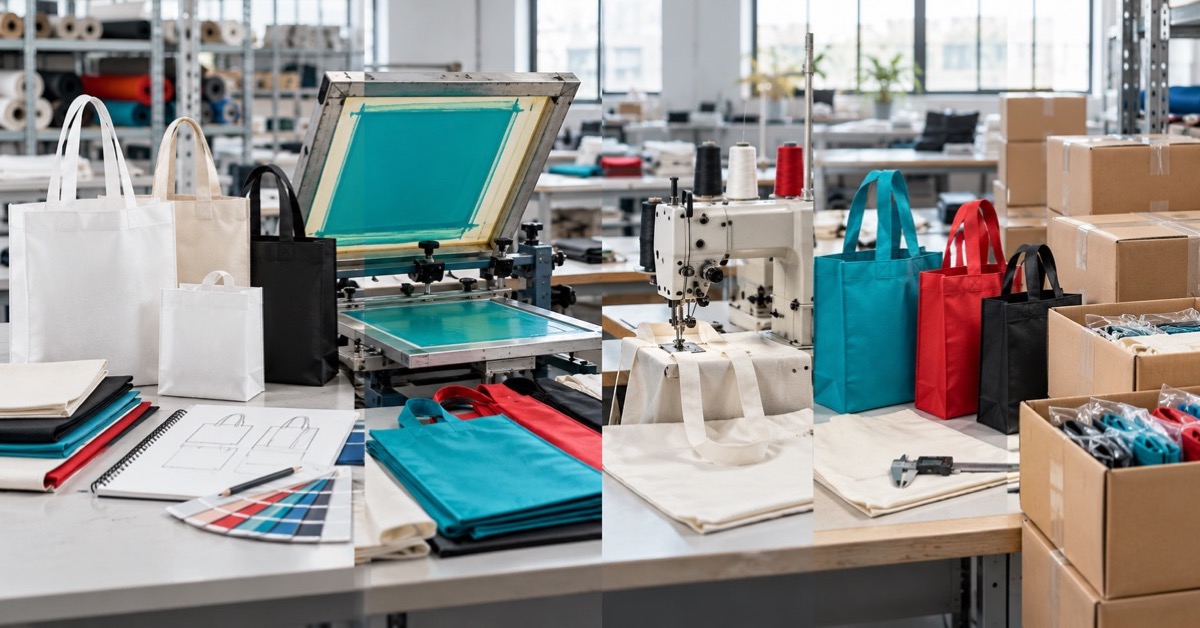


Custom packaging should be managed as a product system, not a collection of unrelated bags, boxes and labels. PackMK begins by mapping the product, buyer, sales channel and operational constraints, then turns those inputs into a specification that can be sampled, priced, inspected and repeated.
The strongest brief answers practical questions before decoration begins: what must the package protect, who handles it, how it is filled, where it is displayed, which information must remain visible and what evidence will count as approval. That approach produces useful custom packaging instead of expensive packaging theater.
1. Position custom packaging around a measurable job
Write one sentence that defines the package's primary job. It may protect a fragile product, organize a gift set, carry a retail purchase, identify a SKU or combine several components for a launch. Add the secondary jobs only after the first is clear. A focused definition prevents the structure, artwork and cost discussion from moving in different directions.
Also identify what the package is not expected to do. A presentation box may not be a shipping carton. A paper shopping bag may not be intended for prolonged wet exposure. Stating boundaries builds trust and makes testing more realistic.
2. Identify buyers, users and situations that change the brief
The purchasing team, packing staff, warehouse, retailer and final customer may judge the same package differently. Procurement needs stable pricing and records. Operators need fast assembly. Retail teams need storage efficiency. Customers need an obvious opening experience. List the people who touch the package and the decisions they control.
Create short use scenarios: filled by hand, run through a labeling line, displayed under store lighting, carried on public transport, packed into an ecommerce parcel or stored for a seasonal launch. These scenarios turn broad preferences into testable requirements.
3. Convert product data into a packaging specification
Measure the final production product, including caps, accessories, cables, instructions and protective wraps. Record weight, fragile areas, permitted orientation and acceptable movement. Do not build the dieline from marketing dimensions alone.
| Input | Decision it controls | Approval evidence |
|---|---|---|
| Product dimensions and weight | Internal size, load path and board or fabric choice | Filled prototype |
| Sales channel | Display, checkout or shipping requirements | Workflow trial |
| Artwork and required copy | Print area, hierarchy and version control | Final-size proof |
| Quantity and launch plan | Process, tooling, MOQ and schedule | Commercial quotation |
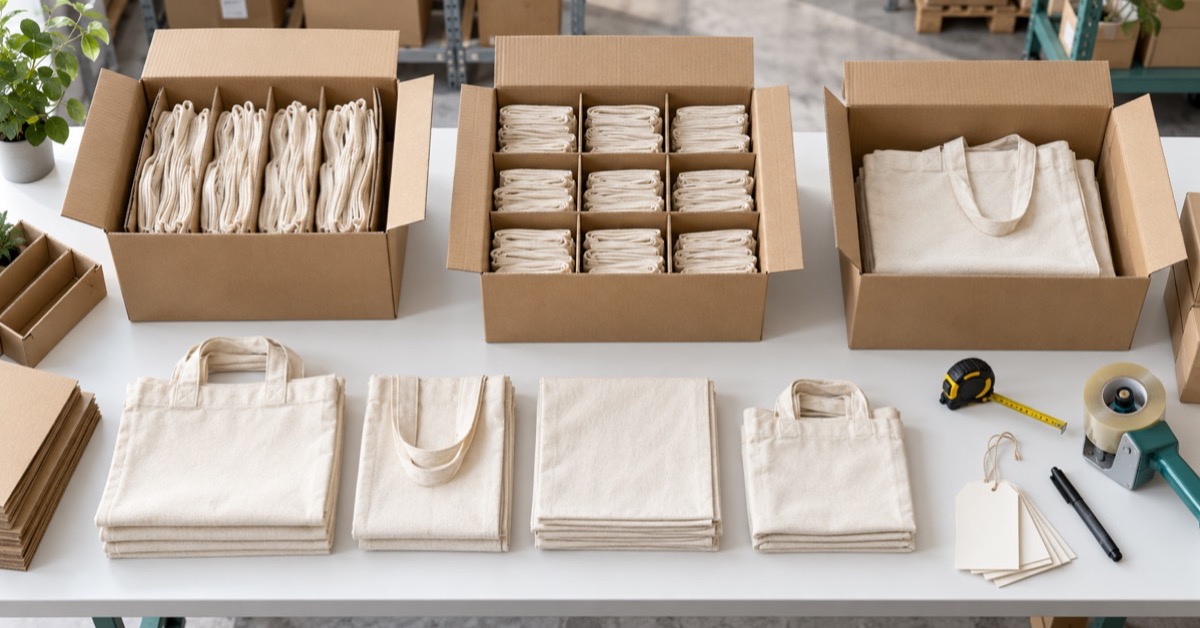
| Delivery and storage | Carton, pallet and surface protection | Packing sample |
4. Choose materials by behavior rather than a fashionable name
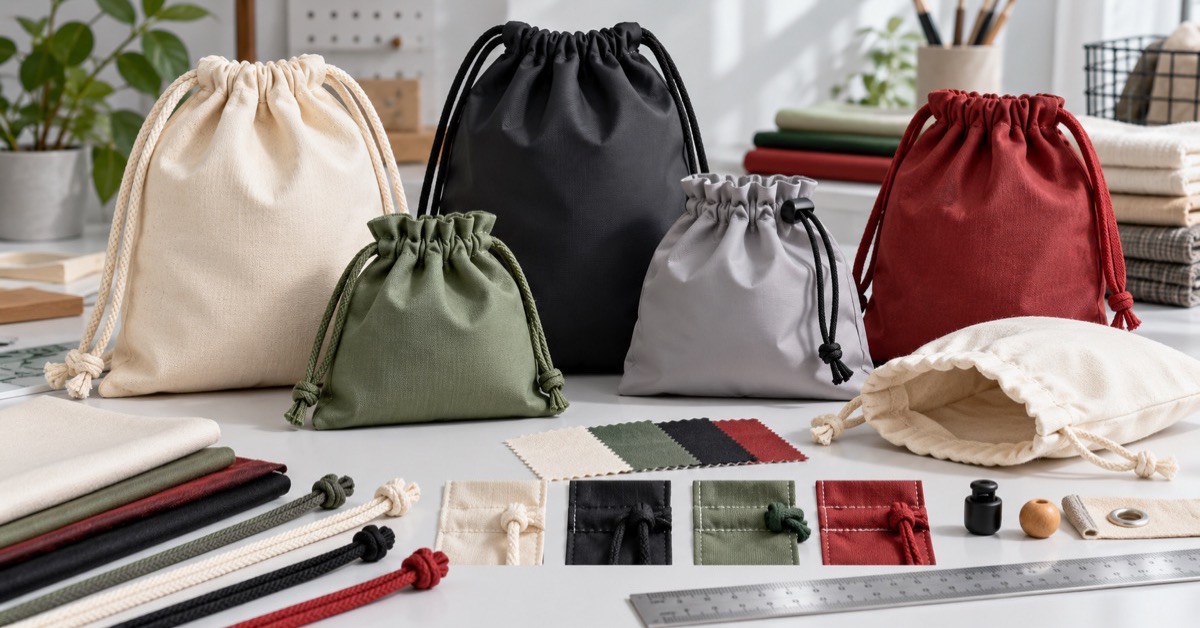
Material names are only a starting point. Paper, board, films and textiles vary by grade, thickness, coating, texture and production source. Define the behavior that matters: stiffness, tear resistance, print surface, transparency, moisture response, fold quality or repeated handling.
If a sourcing or environmental claim will appear on the package, confirm the program and documentation for the actual order. The FSC paper packaging resource explains certified paper context. Avoid claims that cannot be traced to the purchased material.
5. Separate structural approval from visual approval
A blank sample answers fit, assembly, closure and handling questions. A printed sample answers color, finish, hierarchy and surface questions. Combining these reviews too early can hide a structural weakness behind an attractive appearance.
PackMK recommends approval gates: product data, blank structure, printed proof, production-equivalent sample and packed shipment reference. Each gate should answer a defined question and produce a record that survives staff changes.
6. Compare packaging options with commercial logic
Buyers often compare unit prices that include different scopes. One quote may exclude design adaptation, tooling, samples, inspection or inner packing. Normalize the quotation before choosing a supplier.
| Option | Best use | Main advantage | Risk to control | Cost pattern |
|---|---|---|---|---|
| Shared stock structure | Early demand testing | Lower setup exposure | Generic fit or appearance | Lower tooling, higher compromise |
| Custom printed standard structure | Stable dimensions | Faster branding route | Limited structural differentiation | Moderate setup |
| Fully custom structure | Distinct fit or experience | Better functional control | More sampling and tooling | Higher development investment |
| Modular family | Several related SKUs | Efficient shared components | Version management | Balanced portfolio cost |
7. Define workmanship and tolerances before inspection
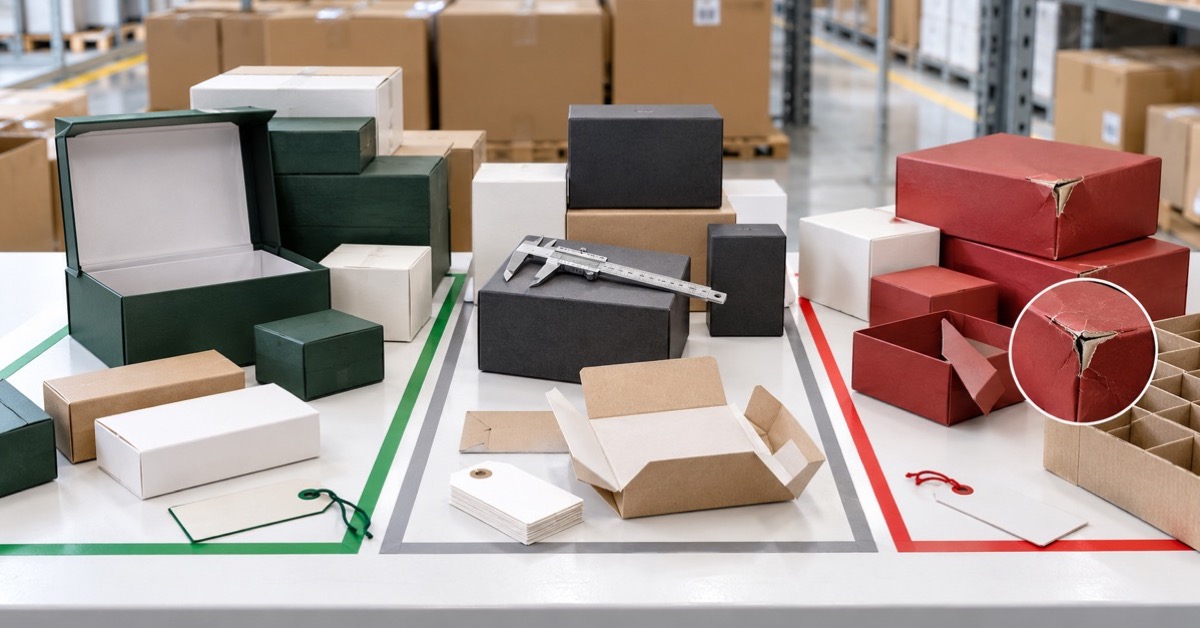
Words such as premium, strong or clean are difficult to inspect. Replace them with measurable dimensions, approved color references, alignment zones, closure behavior, edge condition, glue limits and acceptable cosmetic variation. Mark the most critical characteristics rather than treating every detail as equally severe.
For hand-finished packaging, establish a realistic approved range. Production should match the agreed reference and function consistently, but a standard also needs to acknowledge the process being purchased.
8. Build quality control around failure consequences
Inspect incoming materials, first production output, in-process conversion, final assembly and packed cartons. The ISO quality management principles provide useful process context, but the order still needs project-specific acceptance criteria.
Rank defects by consequence. A wrong artwork version, unsafe closure or failed load path may block shipment. A small cosmetic variation may be handled within an agreed tolerance. This risk-based method focuses inspection effort where failure matters most.
9. Plan capacity and lead time from the launch date backward
Separate artwork approval, material procurement, tooling, sampling, bulk production, inspection and transport. Ask which steps can overlap and which require approval before the next begins. A requested delivery date is not a production plan.
For multi-component custom packaging, identify the component with the longest or least predictable route. Coordinate labels, inserts, bags and boxes to the same version and pack-out date so one missing item does not delay the entire launch.
10. Reduce cost without transferring hidden risk
Good value engineering removes complexity that customers do not value while preserving fit, protection and brand recognition. Possible changes include reducing the number of sizes, sharing structures, simplifying a finish, adjusting print coverage or packing components more efficiently.
Do not accept a material downgrade or construction change based only on a lower price. Recheck product performance, artwork appearance, inspection criteria and carton behavior before approving the revised specification.
11. Decide where OEM and ODM support is actually needed
Use OEM execution when the design, dimensions and materials are stable. Use ODM support when structure, material or manufacturing decisions remain open. A practical project can combine both: the buyer owns brand assets and product requirements while PackMK proposes feasible structures and production details.
Record who approves compliance, claims, artwork, color, tooling and final samples. Clear ownership prevents a development suggestion from being mistaken for a buyer authorization.
12. Create a launch-to-reorder handover
The production handover should include approved artwork, dielines, materials, physical references, inspection rules, packing method, carton labels and change history. Assign one version code to the complete pack rather than relying on filenames such as final or latest.
After delivery, collect receiving defects, packing time, product damage, customer feedback and remaining stock. Those observations provide original evidence for the next improvement cycle and make the packaging system more valuable over time.
13. Use PackMK to coordinate the complete portfolio
PackMK can connect bags, paper boxes, labels, stickers and printed components into one documented custom packaging program. The objective is not to force every product into the same format. It is to preserve common brand rules while giving each product the structure and protection it genuinely needs.
Send PackMK the product data, target channels, preferred materials, artwork, quantities and launch dates. A project-based quotation can then separate development, tooling, samples, production and packing so the decision is transparent.
- Explore PackMK packaging formats
- Review PackMK OEM and ODM support
- Request a custom packaging project quotation
Custom packaging buyer questions
What information is needed for a custom packaging quotation?
Provide product dimensions and weight, packaging format, material preference, artwork status, order quantity, packing method, delivery market and required launch date.
How many packaging formats should a new product line use?
Use the smallest practical family that protects the products and supports the sales channels. Add a new structure only when a real fit, handling or presentation requirement cannot be solved by the existing family.
Should buyers approve structure before printed decoration?
Yes. A blank prototype can confirm fit, closure, assembly and product removal before printing and finishing make changes slower and more expensive.
What is the difference between OEM and ODM packaging support?
OEM normally follows a buyer-defined specification, while ODM includes more supplier input on structure, materials or development. Many projects combine both models.
How should custom packaging samples be tested?
Use production-equivalent products and repeat the real packing, opening, handling, stacking and shipping sequence. Record acceptance criteria and photograph the approved result.
What usually drives packaging cost?
Structure, material use, print coverage, finishing, tooling, assembly, order quantity, quality controls, inner packing and freight volume all influence total cost.
Can several SKUs share one packaging structure?
Yes, when their dimensions and protection needs are compatible. Labels, sleeves, inserts or controlled artwork versions can differentiate the SKUs while preserving purchasing efficiency.
How can buyers reduce color variation between repeat orders?
Keep approved color targets, physical references, material specifications, artwork versions and process notes. Review any material or production change before releasing a reorder.
What records should be retained after production?
Retain the approved dieline, artwork, material reference, finished sample, inspection checklist, packing diagram, carton specification and revision history.
How does PackMK support a packaging portfolio?
PackMK can coordinate bags, boxes, labels, stickers and printed components under one documented brief, from structural sampling through production and repeat-order control.