

Custom packaging OEM ODM projects work best when the development model is chosen before design begins. PackMK helps buyers separate the decisions they already own from the areas where supplier development support is required.
Define the development gap before selecting a model
A buyer with final dimensions, material and artwork mainly needs controlled execution. A buyer with a product and brand idea may need structure, material and packing development. List what is fixed, what is preferred and what remains open.
Assign responsibility by project output
| Project output | OEM-led input | ODM-led input | Final approval |
|---|---|---|---|
| Structure | Buyer supplies specification | Supplier proposes options | Filled sample |
| Material | Buyer names grade | Supplier recommends feasible choices | Material reference |
| Artwork | Buyer supplies production file | Supplier adapts layout to dieline | Signed proof |
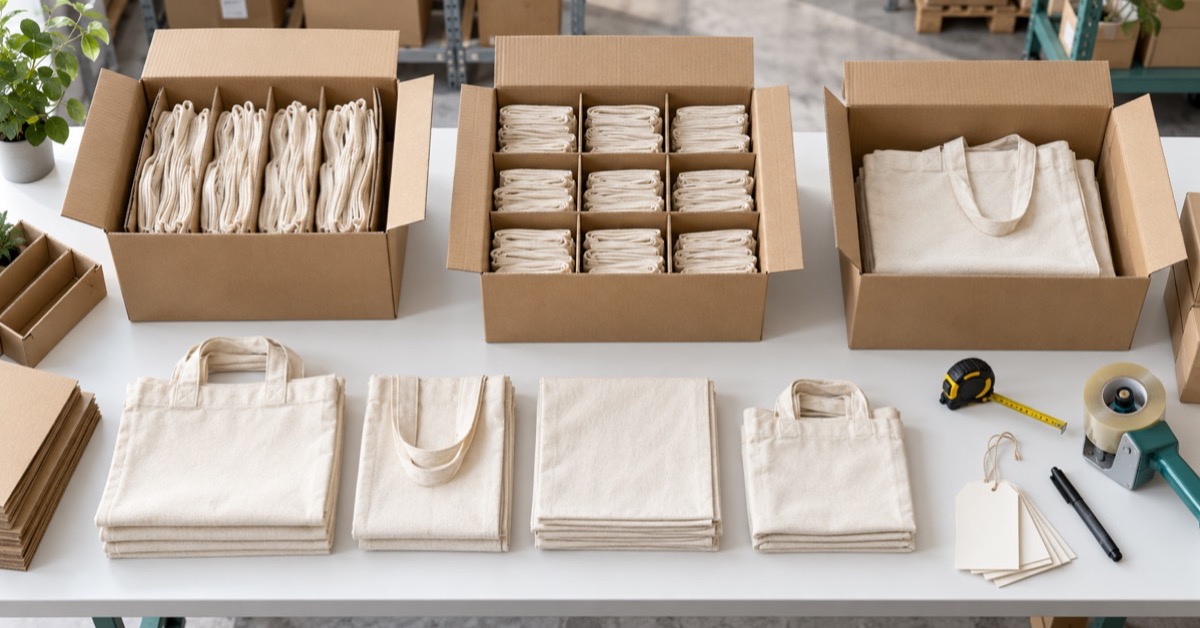
| Packing | Buyer states warehouse rules | Supplier develops inner and master pack | Packing diagram |
| Inspection | Buyer supplies acceptance criteria | Supplier proposes control points | Approved checklist |
Choose OEM when the specification is already stable
OEM is efficient when size, material, print, finish and use are known. The main work becomes proofing, production setup and quality control. Buyers should still confirm whether the supplied file matches the final manufacturing process.
Choose ODM when development decisions remain open
ODM support is useful when the package must be created around a product, channel or target experience. The supplier can compare structures and materials, but the buyer must still approve commercial, brand and compliance decisions.
Use sample gates that answer one question at a time
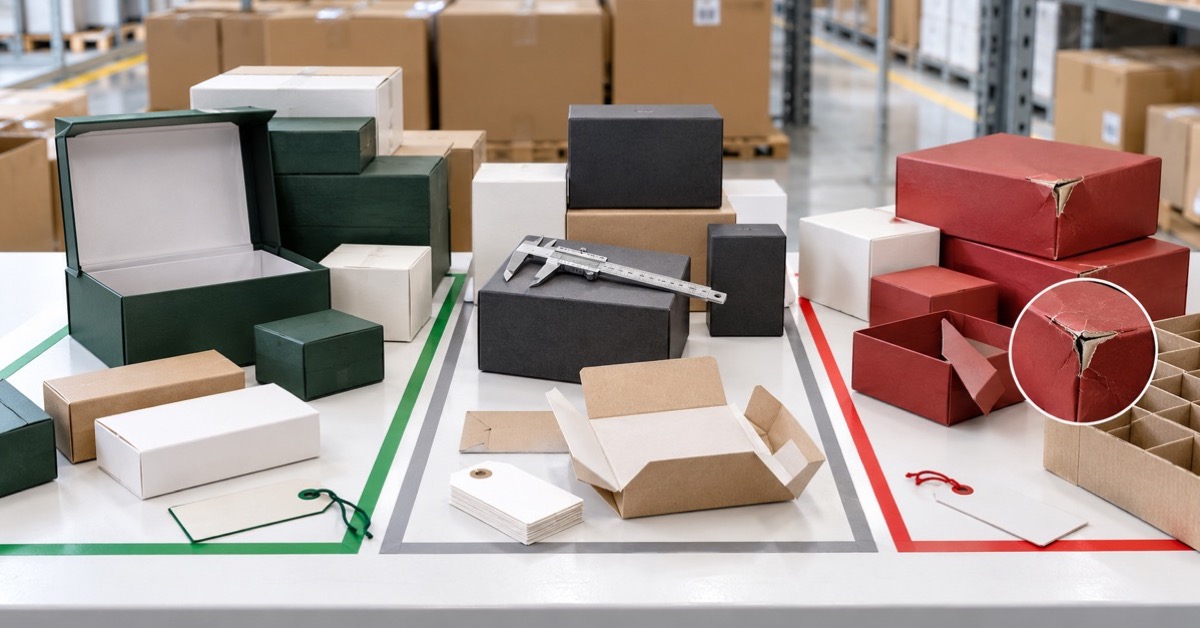
Approve blank fit before decorative details, then approve print and finish before bulk release. This keeps structural problems from being hidden by an attractive sample and reduces ambiguous revision requests.
Control artwork, dielines and intellectual property
Record who supplies each file, who may edit it and which version is approved. Keep brand assets separate from production dielines. Mark obsolete files so they cannot return during a repeat custom packaging OEM ODM order.
Compare cost by development stage
Separate design support, tooling, samples, unit production, packing and delivery. A low unit price may exclude necessary development work. A clear breakdown makes different supplier proposals easier to compare.
Turn quality principles into project records
The ISO quality management principles provide general process context. PackMK converts the project brief into measurable checks for dimensions, material, print, finish, assembly and cartons.
Hand the completed project into a reorder system
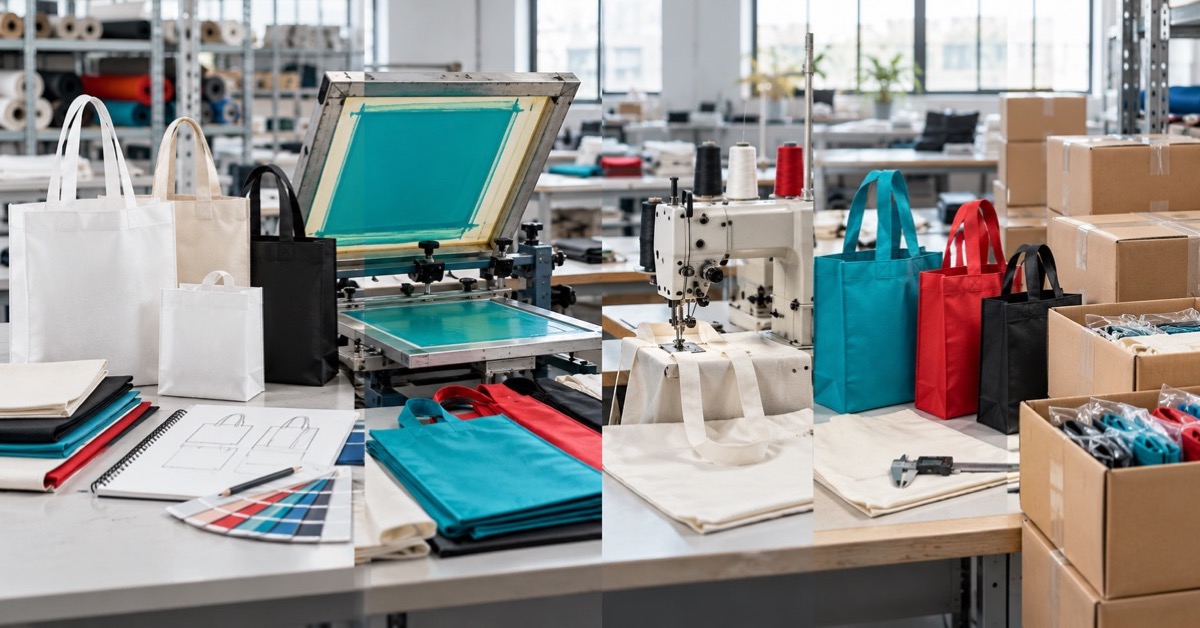
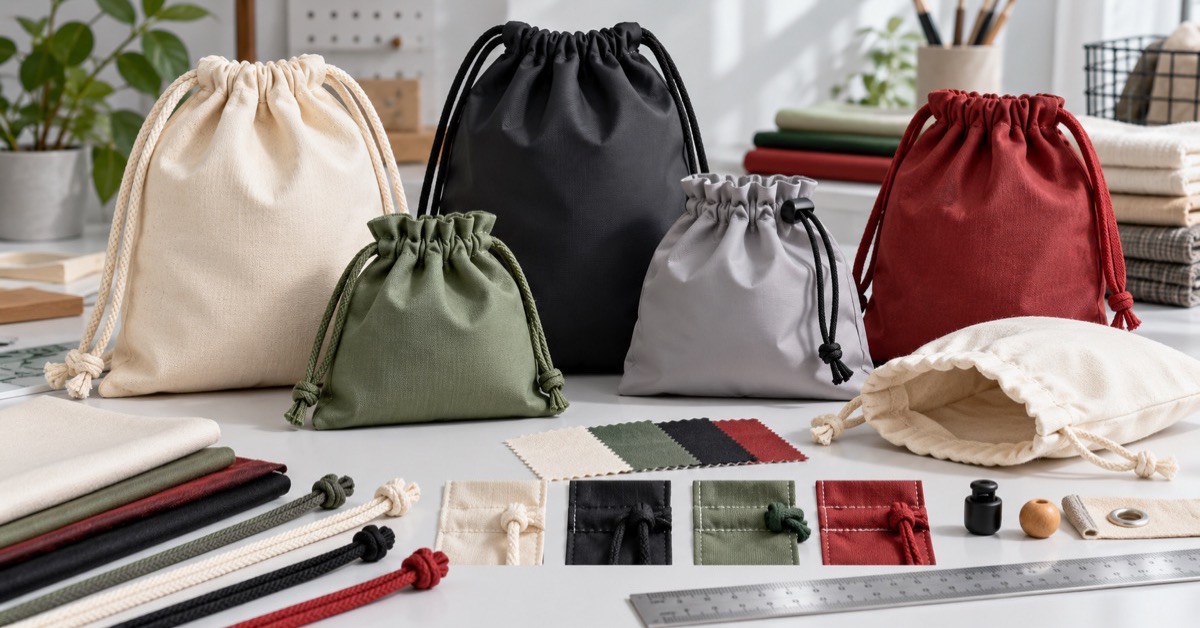
PackMK can support custom packaging OEM ODM development across bags, boxes, labels and printed components. The final handover should include approved files, physical references, inspection rules and packing details.
- Explore PackMK packaging formats
- Review PackMK OEM and ODM services
- Discuss a development brief with PackMK
OEM and ODM packaging questions
What is the practical difference between OEM and ODM packaging?
OEM follows a buyer-defined specification, while ODM includes more supplier support for structure, material or development decisions.
Can one project combine OEM and ODM work?
Yes. A buyer may provide brand artwork while the supplier develops the structure, material and packing method.
Which sample should be approved first?
Approve product fit and structure first, then print, finishing and production-equivalent packing.
What should be saved after project completion?
Save the dieline, artwork, material reference, approved sample, inspection criteria, packing plan and revision history.