

Buyers often ask for one lead-time number before the product, artwork, quantity and approval route are stable. The supplier then answers with a duration that quietly assumes immediate feedback, available materials and no changes. Custom packaging lead time is better managed as a chain of decisions with visible waiting points.
PackMK builds a critical-path map from brief readiness to destination handoff. The map does not promise a universal schedule; it distinguishes working time, buyer response time, queue time, external dependencies and contingency so the required date can be tested honestly.
Direct answer: Break the schedule into brief, quotation, sample, artwork, tooling, material, production, inspection, packing and transport gates; name the owner, input, exit evidence and change consequence for each gate.
Separate five kinds of time
| Time type | Example | Control question |
|---|---|---|
| Working | Making a sample | What input starts it? |
| Response | Buyer feedback | Who approves? |
| Queue | Press availability | When is capacity held? |
| Dependency | Material arrival | What evidence confirms it? |
| Contingency | Rework or delay | Which risk does it cover? |
PackMK avoids hiding all five inside one attractive number.
Gate zero is brief readiness
Confirm product, packaging function, dimensions, material direction, artwork status, quantities, variants, destination, inspection need and required date. Mark unknowns and decision owners.
PackMK dates the schedule from a defined ready point. Early discussion can begin sooner, but the clock should not pretend missing inputs are complete.
Quotation time depends on comparable scope
A price request with unclear sizes, finishes or allocation creates rounds of assumptions. Normalize the quote basis and separate recurring cost, tooling, sampling, inspection, packing and delivery.
PackMK records each supplier assumption. A fast quote is not useful when it prices a different product or route.
Build the sample ladder before assigning dates
A sample plan may include:
- structural mockup;
- material or color swatch;
- printed prototype;
- loaded functional sample;
- production-equivalent first article;
- retained approval reference.
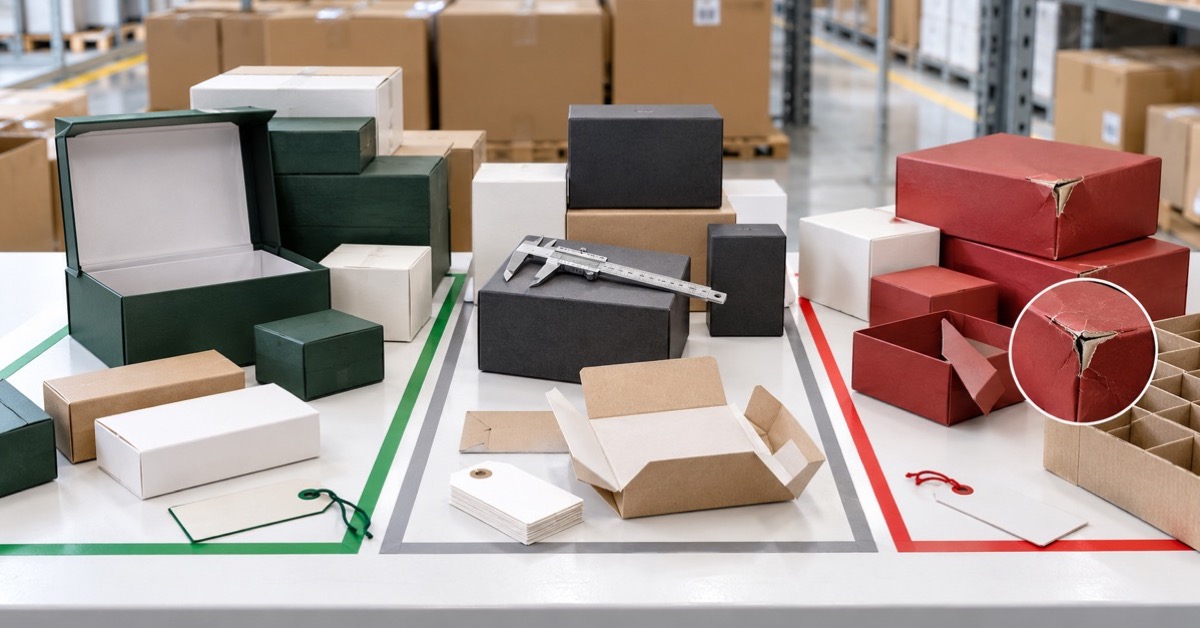
PackMK selects only the rungs needed for the risk. Skipping a sample may save days but move uncertainty into production.
Artwork freeze is a real schedule gate
Define which copy, dieline, color, code, language and version decisions must be approved before tooling or printing. Name one consolidating approver.
PackMK logs feedback deadlines and version changes. Reopening artwork after material or press booking can affect more than the design file.
Tooling has design and capacity dependencies
Identify dies, plates, screens, molds, fixtures or digital setup required by the chosen process. Confirm drawing approval, manufacture, trial and ownership where relevant.
PackMK separates tool readiness from production readiness. A completed die does not guarantee material or machine capacity.
Use a gate board to expose the critical path
| Gate | Exit evidence | Typical reopener |
|---|---|---|
| Brief | Approved input sheet | Product change |
| Sample | Signed reference | Fit failure |
| Artwork | Version approval | Copy change |
| Material | Booked construction | Substitution |
| Production | Accepted first article | Process drift |
| Shipment | Release record | Document mismatch |
The longest dependent chain sets the working schedule, not the sum of every activity.
Material booking needs a named construction
State grade, weight or thickness, color, finish, adhesive, lining and approved alternatives as relevant. Confirm when availability becomes firm and what quantity basis applies.
PackMK does not treat generic material availability as order-specific evidence. A substitution can reopen samples, print settings, fit or claims.
Production queue starts after release conditions
Ask when capacity is reserved, what deposit or purchase-order condition applies, which approvals are required and whether multiple processes must be sequenced.
PackMK shows queue assumptions separately from production duration. This makes schedule movement visible when approval arrives late.
First article can protect the remaining run
Define the earliest production evidence for dimensions, material, print, construction, function and pack-out. State who can accept, reject or accept with deviation.
PackMK budgets decision time around the first article. A gate without an available approver becomes an uncontrolled stop.
Inspection and rework need calendar space
Set sampling scope, defect categories, report timing, disposition owner and reinspection route. Decide whether shipment booking waits for acceptance.
PackMK does not assume every order passes without correction. Contingency should match plausible risk rather than a decorative percentage.
Packing readiness can become the bottleneck
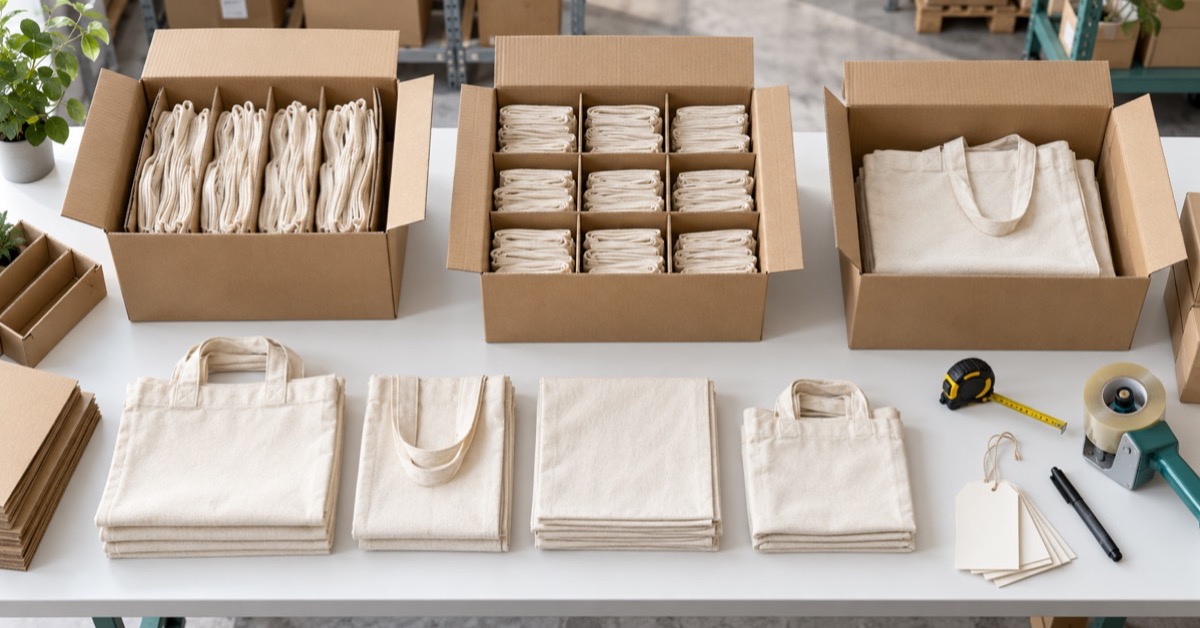
Confirm inner packs, master cartons, marks, assortment, labels, pallet plan and quantities before finished goods accumulate. Mixed-SKU programs need extra reconciliation.
PackMK treats pack-out approval as a schedule gate. Finished units are not shipment-ready when cartons or marks remain unresolved.
Transport begins at a defined handoff
Clarify Incoterm discussions with qualified commercial owners, pickup readiness, documents, booking responsibility, consolidation and destination receiving constraints.
PackMK separates factory completion from carrier handoff and estimated arrival. Transport timing can change independently of production.
Protect custom packaging lead time with change control
For each requested change, identify affected sample, artwork, tool, material, production, inspection and transport gates. Reissue the schedule with assumptions and owner decisions.
PackMK avoids preserving an obsolete promised date after the scope has changed. The buyer can then choose time, cost or specification tradeoffs consciously.
Critical-path example: a launch date with unfinished copy
A retailer needs gift boxes for a fixed launch. Structure and quantity are known, but final claims and one language version remain under review.
PackMK would progress structural sampling and material discussion while keeping artwork freeze as a visible gate. Tooling or printing commitments would state which changes remain possible and which cause rework.
The schedule would show a latest responsible approval date rather than assuming immediate feedback. Decision owners could then see whether launch quantity, finish complexity or delivery mode needs adjustment.
A parallel-work note would distinguish activities that can proceed safely from those dependent on final copy. It would also name the financial exposure if the buyer authorizes early material or tooling work before every approval is complete.
At each review, PackMK would compare the remaining path with the required handoff date. If the buffer disappears, the team can reduce variants, simplify a finish, split delivery or move the launch decision instead of hiding the conflict.
Use quality and trade guidance to frame ownership
Quality principles and trade resources can help teams describe process ownership and handoffs without promising order-specific timing. Use ISO quality management principles and ICC Incoterms rules resources as context for supplier questions. PackMK still releases the actual order against the buyer brief, approved samples, production evidence and destination-specific requirements.
Build a custom packaging lead time map from gates
A decision-ready custom packaging lead time brief should define brief readiness, sample cycle, artwork freeze, tooling approval, material booking, production queue, inspection release, carton plan, transport handoff, change control. It should also identify PackMK, custom packaging lead time, OEM, ODM, purchase order, sample, MOQ, freight forwarder. PackMK turns those fields into a quotation scope, approval route and evidence list that purchasing, quality, operations and receiving can interpret consistently.
Require the supplier to state assumptions, exclusions, approved alternatives, tooling, minimums, inspection scope, packing and lead-time conditions. For custom packaging lead time, a broad promise should become a sample question, measurable tolerance, priced option or release gate before the purchase order is confirmed.
Schedules vary by specification, quantity, capacity, approvals, supplier location, holidays, transport and external events. Dates require order-specific written confirmation.
A credible custom packaging lead time shows what must happen, who decides and what can reopen the path. PackMK turns a deadline conversation into an auditable release plan.
Before approval, PackMK recommends a one-page decision record naming the selected route, rejected alternatives, evidence reviewed, open limitations, quantity basis, owner and review date. After delivery, add receiving observations, defects, user feedback, supplier response and retained references. This creates a practical learning loop and lets the next order reopen only the decisions affected by a new SKU, material, market, application or delivery route.
Build a critical-path schedule with PackMK
PackMK can support custom packaging lead time from buyer brief and samples through production checks and export packing. Send the product or application, artwork, quantities, variants, destination and required date to request a structured quotation for custom packaging lead time.
- Explore PackMK custom packaging formats
- Review PackMK OEM and ODM support
- Request a lead-time-based packaging quotation
Custom packaging schedule questions
When should the lead-time clock start?
Start from a defined ready point with the required brief, commercial condition and approval inputs.
Why is one lead-time number risky?
It can hide buyer response, queue, material dependency, inspection, packing and transport assumptions.
What is a sample ladder?
It is the planned sequence of structural, material, print, loaded and production-equivalent approvals.
What must be frozen before printing?
Freeze the relevant copy, dieline, colors, codes, languages, versions and production files.
When is production capacity reserved?
Ask the supplier to state the commercial and approval conditions that reserve the actual queue.
Does factory completion mean delivery?
No. Packing, documents, carrier handoff and destination transport remain separate stages.
How much contingency is enough?
Use risk-specific allowances tied to plausible rework, approvals, capacity or transport uncertainty.
What happens after a specification change?
Reopen affected gates and issue a revised schedule with the new assumptions.
How can buyers shorten the path?
Improve brief readiness, assign approvers, consolidate feedback and choose simpler or available routes when appropriate.
How does PackMK support scheduling?
PackMK maps gates, inputs, approvals, supplier evidence, packing and transport handoffs for the order.