

Why a custom gift box still matters in packaging decisions
A custom gift box does more than hold a product. It sets expectations before the customer ever opens the lid, which is why sourcing teams still treat packaging as part of the product, not an afterthought. In retail and e-commerce, the box has to protect, present, and quietly do some brand work at the same time. That is especially true when a buyer is comparing a custom gift box against simpler cartons, pouches, or generic stock packaging.
For engineers and product teams, the real question is not whether a box looks nice. It is whether the structure fits the item, whether the print holds up in handling, and whether the packaging supports the business model. A well-specified box can improve shelf presence, reduce damage, and make unboxing feel deliberate rather than improvised. A poorly chosen one does the opposite. And once a box is on the line, small mistakes in size or material choice tend to show up quickly.
What buyers usually need to decide first
Before moving into artwork or finish, it helps to sort the packaging job into a few practical questions. Is the package meant for display, shipping, gifting, or all three? Will it sit on a retail shelf, move through distribution, or be opened and reclosed by the end user? Is the product fragile, premium, edible, or meant for sampling? Those answers shape the structure more than any design trend.
For food, snack, and specialty retail items, the packaging choice often overlaps with flexible formats as well. A brand may want a box for gifting and a sealed pouch for freshness, or a hybrid presentation where the outer pack feels premium and the inner pack does the storage work. That is where the distinction between a custom printed gift box and a functional retail package becomes important: one is mostly about presentation, the other has to carry a lot more of the product’s practical burden.
Quick comparison: box, carton, or printed pouch?
There is no universal winner, but there is a sensible way to compare options.
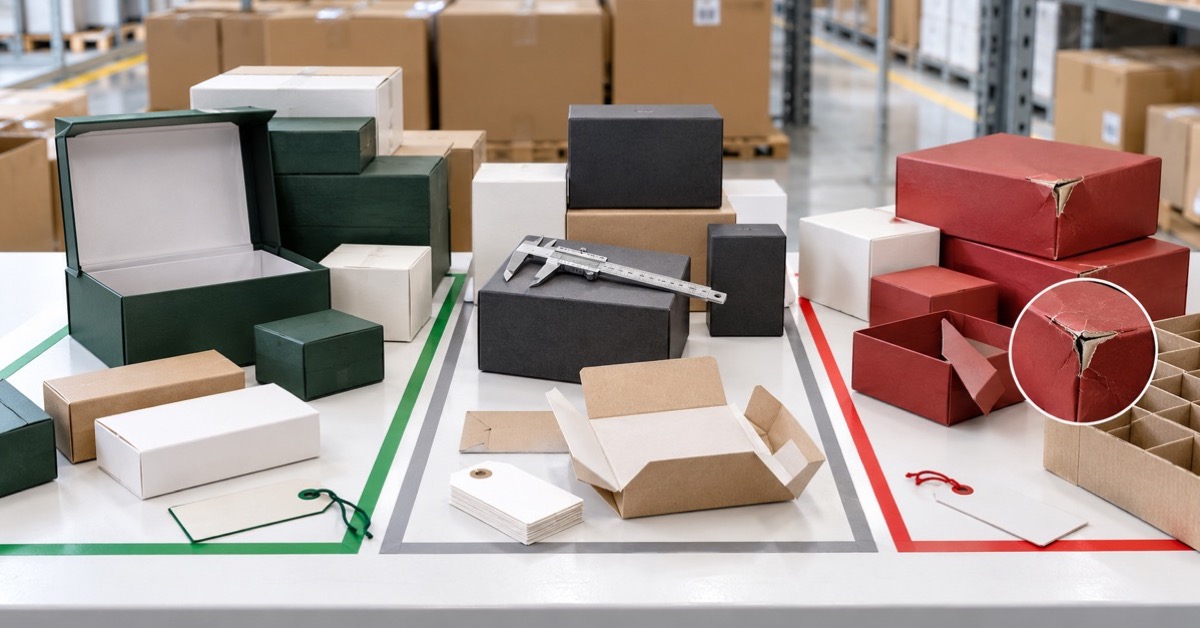
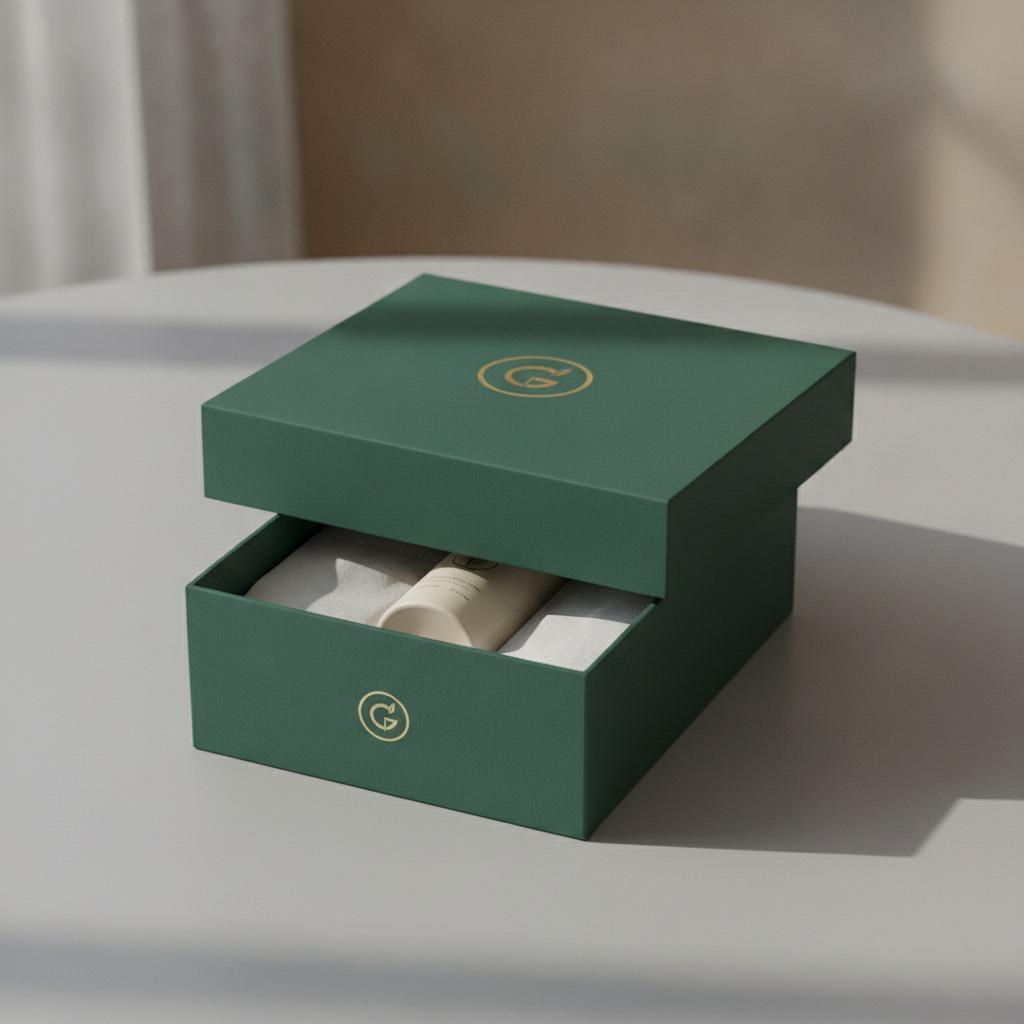
Custom cardboard gift box
This is the familiar route for premium presentation. Cardboard gives shape, stacking strength, and a tidy surface for print. It works well when the product should feel organized and elevated. The tradeoff is that the box itself usually needs inserts or secondary protection if the contents are loose, fragile, or sensitive to moisture.
Logo custom gift box
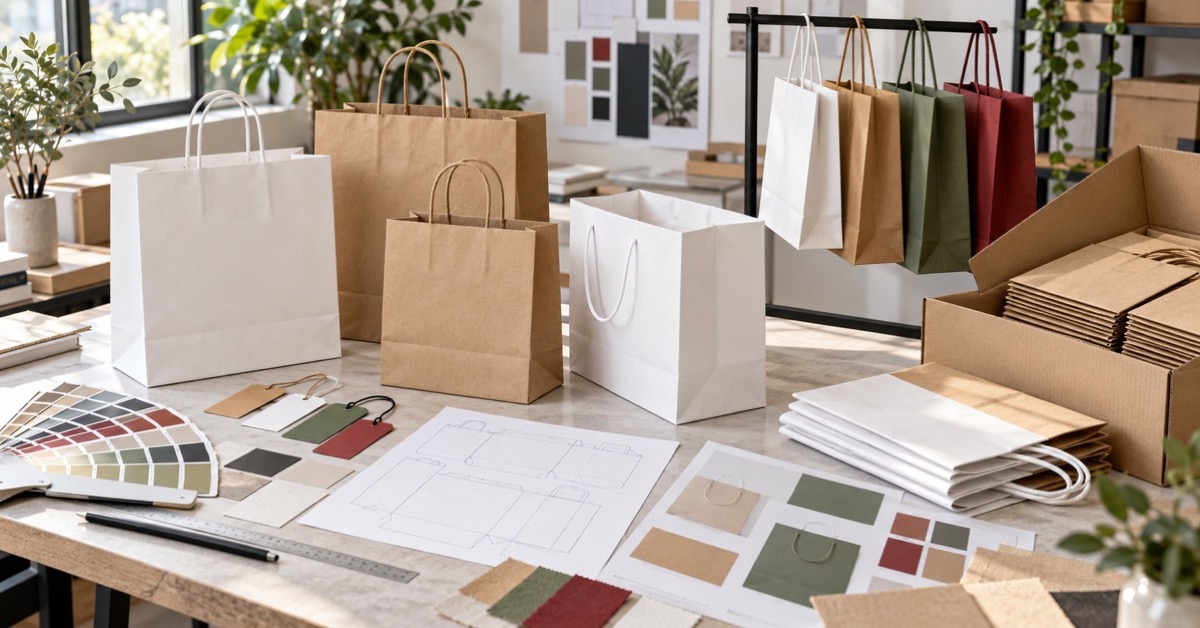
A logo-led design is often the most efficient branding move. It keeps the package visually consistent without overcrowding it with graphics. That matters more than people think. A restrained logo treatment can age better than a busy layout, especially for seasonal products or repeat purchases. Still, a logo alone will not carry poor structure or weak material selection.
Custom printed flexible packaging
The sample product data here points to a stand-up resealable pouch with a translucent body, glossy printed front panel, and a zip or press-seal closure. That type of package is common for snack and dry-goods retail because it combines display value with everyday utility. The flat bottom helps it stand upright on a shelf, while the resealable top supports repeated opening. For some applications, that is more useful than a rigid box, particularly when shipping efficiency or product visibility matters.
What to look for in a packaging supplier
When a buyer evaluates a packaging partner, the conversation should go beyond print quality. Ask how the structure is made, how the graphics are applied, and where the weak points are likely to be. In the pouch shown in the source data, the visible selling points include custom logo and pattern printing, QR code printing, direct factory supply, and acceptance of urgent orders. Those are all useful signals, but they still do not replace a proper sample review.
A practical supplier check should cover artwork handling, proof approval, print consistency, seal area quality, and whether the package format suits the intended product. If the item is food-related, confirm all regulatory and food-contact details directly with the supplier rather than assuming anything from a photo. That part is worth saying plainly, because packaging buyers can get burned by vague assumptions more often than they admit.
Common mistakes buyers make
The first mistake is choosing by appearance alone. A box or pouch can look polished in a mockup and still fail on line because of size mismatch, weak closure, or awkward filling behavior. The second is over-specifying print and under-specifying structure. A nice logo cannot compensate for a package that tips over, scuffs too easily, or does not protect the product during transit.
Another common issue is forgetting the end use. A gift box for a one-time presentation has different requirements from a package that must survive warehouse handling, resale, and customer reuse. That sounds obvious until a project is rushed. Then it is very easy to select the wrong format because the sample looked attractive on a desk.
A simple buyer’s checklist
If you are deciding between a custom gift box and a related retail package format, start with these questions:
Does the product need rigid presentation, or does it benefit more from a resealable, space-efficient format?
Will the packaging be seen first on a shelf, in a mailer, or at the moment of gifting?
Do you need full-surface branding, or is a focused logo treatment enough?
Is the supplier able to support small urgent runs as well as larger repeat orders?
Have you confirmed the practical details that matter most for the product, rather than relying on visual appeal?
FAQ
Is a custom gift box always better than flexible packaging?
No. It depends on the product and the sales channel. Boxes are strong for presentation; pouches often win on storage, visibility, and resealability.
Can a logo custom gift box work for food products?
It can, but food packaging usually needs more than branding. The package must also fit handling, protection, and compliance requirements for the application.
Why do buyers ask for custom printed gift box samples first?
Because structure, print tone, and finishing often look different in real production than they do in a file or mockup. Sampling catches problems early.
What to do next
If your project is still in the packaging selection stage, define the product use case before you pick the format. Then compare presentation needs, storage demands, and order volume. If the job calls for shelf display and resealable convenience, the pouch-style package in the source data is a useful reference. If the goal is premium gifting, a cardboard box may still be the better route. Either way, the right choice is usually the one that makes the product easier to sell, easier to handle, and harder to damage.