


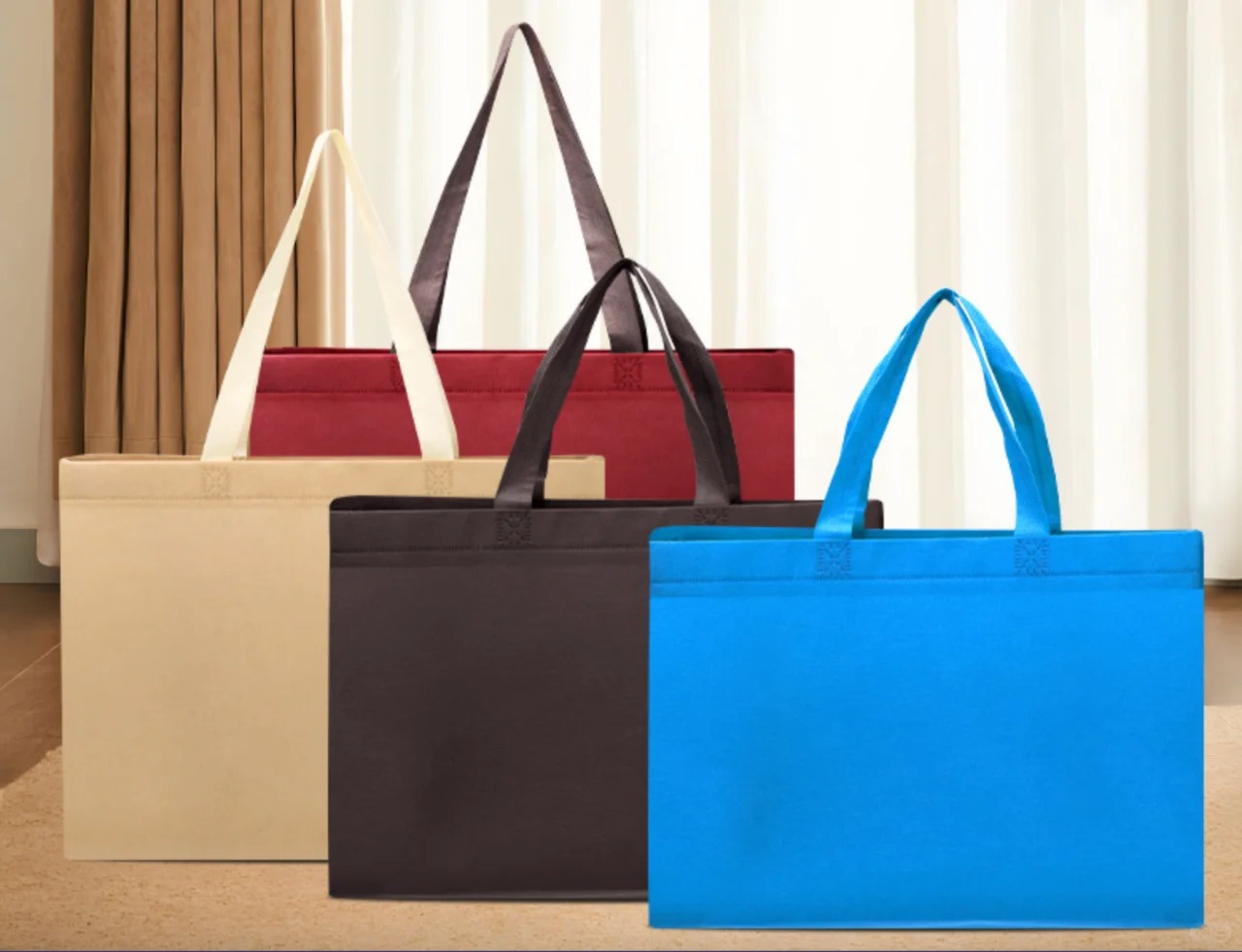
Charity event bags often carry registration materials, sponsor items, water, apparel or information while being packed and handed out by volunteers. The design should make the event easier to run, not add a complicated assembly task.
Define the participant moment before choosing the bag
Decide whether the bag is collected at registration, placed on a seat, distributed along a route or delivered before the event. The handoff determines opening style, identification and how cartons should arrive.
Build the kit from contents outward
| Kit item | Packaging question | Distribution risk |
|---|---|---|
| Documents or bib | Must it remain flat and visible? | Creasing or wrong participant |
| Apparel | Are sizes sorted or preassigned? | Slow searching at registration |
| Bottle or snack | What is the filled weight and shape? | Seam stress or leakage |
| Sponsor items | Do late additions change capacity? | Overfilled kits |
| Route or safety information | Must it be accessed immediately? | Important copy buried inside |
Rehearse volunteer packing with the final item list
Set up the proposed tables, cartons and bags, then time a short packing run. Check whether volunteers can identify every item and close the bag without forcing. Create one visual packing reference at each station.
Keep sponsor hierarchy readable and approved
Collect logos early and define size, color and placement rules. Small sponsor marks may become unreadable on textured fabric. Approve one final layout and stop accepting informal logo substitutions after production release.
Use color coding only when it improves the event
Different colors can identify participant groups, routes, sizes or volunteer roles, but they also create sorting work. Record quantities by color and pack cartons in the exact distribution sequence.
Test weather and filled carrying conditions
Outdoor events may expose bags to sun, light rain, dust or damp clothing. Carry a filled sample for the expected duration and inspect handles, cords, seams, print and moisture transfer.
Plan reuse without making unsupported claims
The EPA materials management hierarchy provides context for reduction and reuse. Choose a format participants can realistically use again and provide care guidance when relevant.
Label cartons for the volunteer workflow
Mark event, location, bag version, quantity and sequence on every carton. If kits are packed in advance, add a contents label and a simple method to identify incomplete or spare bags.
Keep a contingency quantity under separate control
Late registrations, damaged kits and staff needs can consume extras quickly. Decide who releases contingency charity event bags and how remaining stock will be counted after the event.
Well-planned charity event bags help volunteers pack consistently, help participants find what they need and keep sponsor artwork organized across the event.
Charity event bag questions
What size should charity event bags be?
Base the size on the final item list, largest object and filled carrying test rather than estimated contents.
How can volunteers pack event bags faster?
Use staged items, a visual packing standard, pre-counted bundles and cartons arranged in packing order.
Can event bag colors identify participant groups?
Yes, but quantities, carton labels and distribution tables must be planned separately for every color.
How many spare event bags should be ordered?
Choose a contingency based on registration uncertainty, staff needs, possible damage and the plan for remaining stock.