

Card printing for tarot decks: what buyers should really look at
Card printing for tarot decks is not just a matter of getting attractive artwork onto a stack of paperboard. For retailers, gift brands, and custom deck creators, the printing choice affects how the cards feel in hand, how the box holds up on a shelf, and whether the finished set looks collectible or disposable. That matters because a tarot deck is sold on both utility and presentation. If the deck does not shuffle well, the reader notices. If the packaging looks thin or inconsistent, the buyer notices faster.
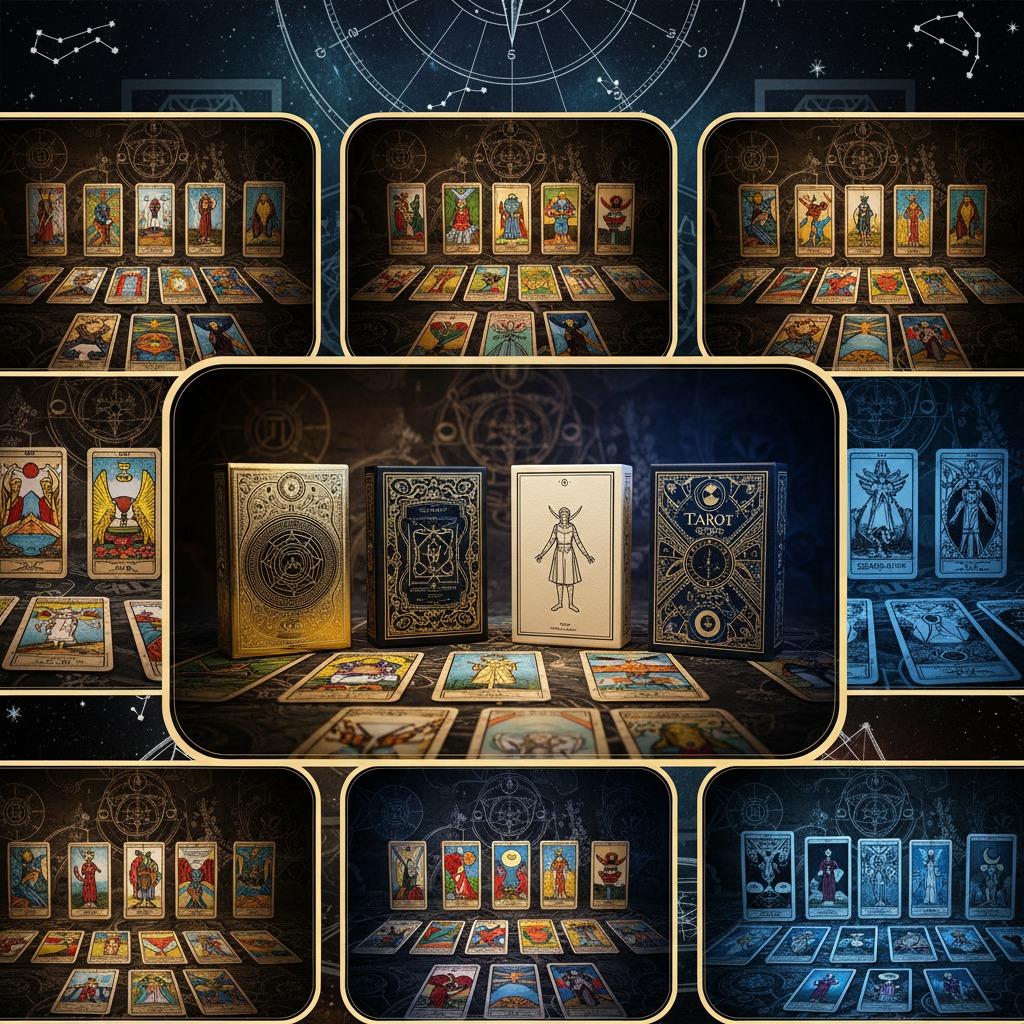
The product style in this category usually combines printed cards with coordinated packaging: ornate faces, patterned backs, metallic accents, and a box that carries the same visual language as the deck itself. That coordinated look is one of the main reasons card printing services are so central to this market. You are not only buying print. You are buying a small branded object that has to survive handling, gifting, retail display, and repeated use.
Why tarot decks are a tougher print job than they first appear
On paper, a card deck seems simple. In practice, it is a small-format product with a lot of demands. The artwork is dense and symbolic, so poor color control shows immediately. Borders need to stay consistent across the whole deck. Metallic foil, embossing-style graphics, and full-surface color can make a deck look premium, but only if registration and finishing are handled carefully. A slightly off-center border or a rough edge stands out much more on cards than it would on a poster.
Packaging adds another layer. A tuck-style box may be fine for a promotional deck, while a more rigid presentation box may be better for retail or collector editions. The right choice depends on how the product will be sold. A shop owner usually wants the deck to feel giftable. A brand owner wants packaging that can carry repeat orders without looking generic. Those are different targets, even if the artwork is the same.
What the visible product details suggest
From the deck-and-box presentation described here, several practical manufacturing signals stand out. The decks appear compact and portable, which is helpful for retail shelves and online shipping. The artwork uses rich color, decorative borders, and gold or metallic accents, so finishing quality matters as much as image resolution. Multiple design variants also suggest the production method must handle short runs or at least multiple SKUs without losing consistency.
That is where professional card printing earns its keep. A supplier used to this category should be comfortable producing both the cards and the matching packaging set, rather than treating them as unrelated print pieces. Buyers should ask whether the printer can keep the deck artwork, box front, side panels, and any inserts visually aligned. A beautiful card face inside a mismatched box is a common disappointment.
Business card printing, custom card printing, and why the same logic does not always apply
People sometimes compare tarot work to business card printing because both use small-format print production and careful finishing. The comparison helps up to a point. Business card printing is often about crisp typography, clean edges, and simple brand clarity. Tarot and other specialty decks are more demanding in imagery, surface effect, and sequence consistency across many unique fronts.
Custom card printing for a tarot deck also carries more sensitivity around packaging. The deck is a product system, not a single card. For that reason, high quality card printing in this segment usually means looking beyond the front face and asking how the cards, box, and any supporting insert will age together. If the deck is intended as a collectible, the finish should reinforce that. If it is meant for heavy use, durability should take priority over decorative tricks.
Selection criteria that buyers should not skip
1. Surface finish and handling
Gloss, matte, foil, and embossed-looking graphics all change the way the product feels. Matte often reads as more premium and less glare-prone in use. Gloss can make color pop, but it may also show fingerprints and reflections more readily. Foil accents are effective for spiritual and collectible products, though they should be used with restraint. Too much shine can make a deck feel more like novelty merchandise than a serious reading tool.
2. Artwork consistency across the set
For tarot decks, a single weak card can cheapen the whole collection. Buyers should review proof files for border thickness, symbol placement, and color consistency. When the deck includes many similar frames or repeating motifs, even a small alignment drift becomes visible. This is one of those unglamorous production details that separates professional card printing from a merely acceptable run.
3. Packaging strength
Card boxes matter more than many first-time buyers expect. A box that crushes easily can damage the perceived value of the deck before it is even opened. The structure should match the product’s market position. A display-oriented deck may need stronger box construction than a basic gift item, especially if it will sit on shelves next to competing products with flashier presentation.
Common mistakes in card printing projects
The most common mistake is overdesigning. Ornamental borders, deep color layers, and metallic effects can make a tarot deck look rich, but only when the artwork has breathing room. If every millimeter is crowded, the cards become visually tiring and harder to read. Another frequent issue is treating the box as an afterthought. Buyers often focus on the deck itself, then discover the packaging does not protect the product or support retail display.
There is also the old problem of approving proofs too quickly. Printed samples can look slightly different from screen artwork, particularly in dark backgrounds and metallic areas. That is not a flaw of the product category; it is simply the nature of print production. A cautious buyer will review samples in real lighting and, if possible, compare card faces and box panels side by side.
Practical buying advice for brands and retailers
If you are sourcing card printing for tarot decks, start by deciding what the product must do first: sell as a gift item, support daily reading, or attract collectors. Then match the print specification to that goal. A premium collector edition may justify more elaborate finishing. A broader retail item may benefit more from clean printing and sturdy packaging than from extra decorative layers.
Ask for proofing on both the cards and the box. Check how the full set looks together, not just as separate files. If your supplier offers custom card printing and box printing in one workflow, that usually reduces the risk of visual mismatch. It also makes the project easier to manage, which matters more than people admit once multiple revisions start flying around.
What good results look like in this category
When card printing is done well for tarot products, the deck looks coherent from the outside in. The faces are readable, the backs are consistent, the finish supports the artwork, and the packaging feels like part of the same design system. That is the standard buyers should hold to, whether they are ordering for a spiritual shop, a gift catalog, or a new branded deck line.
If you are evaluating suppliers, ask for samples, discuss finish options plainly, and insist on seeing how the cards and packaging work as a set. In this category, presentation is not decoration. It is part of the product value.
Next step for buyers
For your next sourcing round, compare not only price and artwork capability but also the supplier’s ability to deliver coordinated deck-and-box production. That is where professional card printing shows its value, especially when the goal is a product that people will handle, display, and remember.