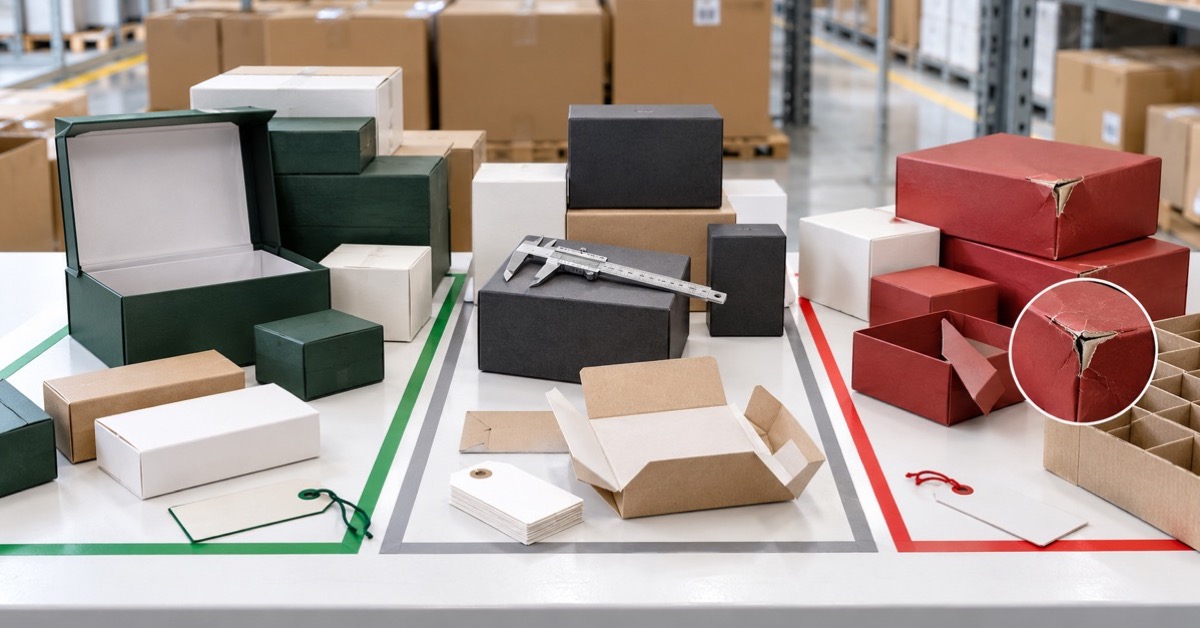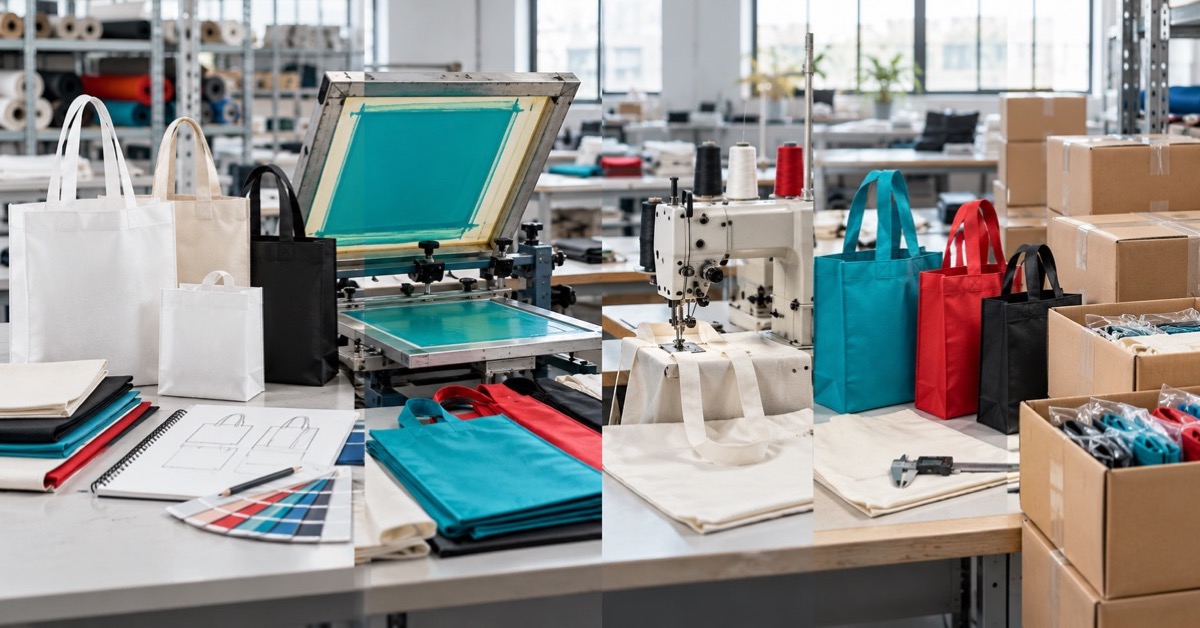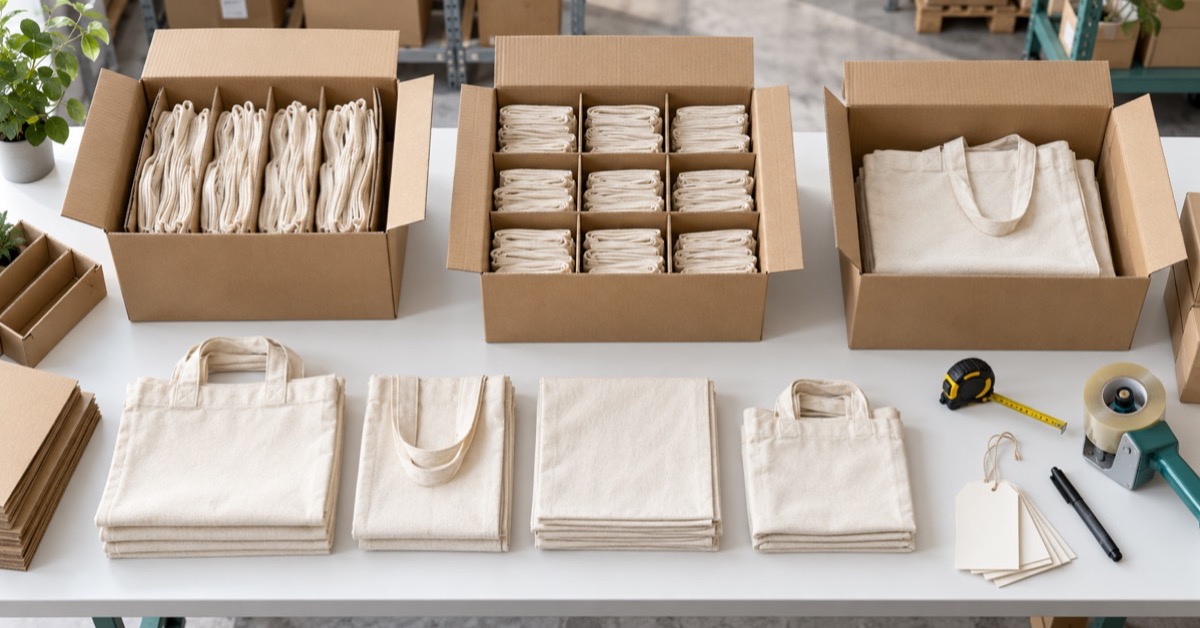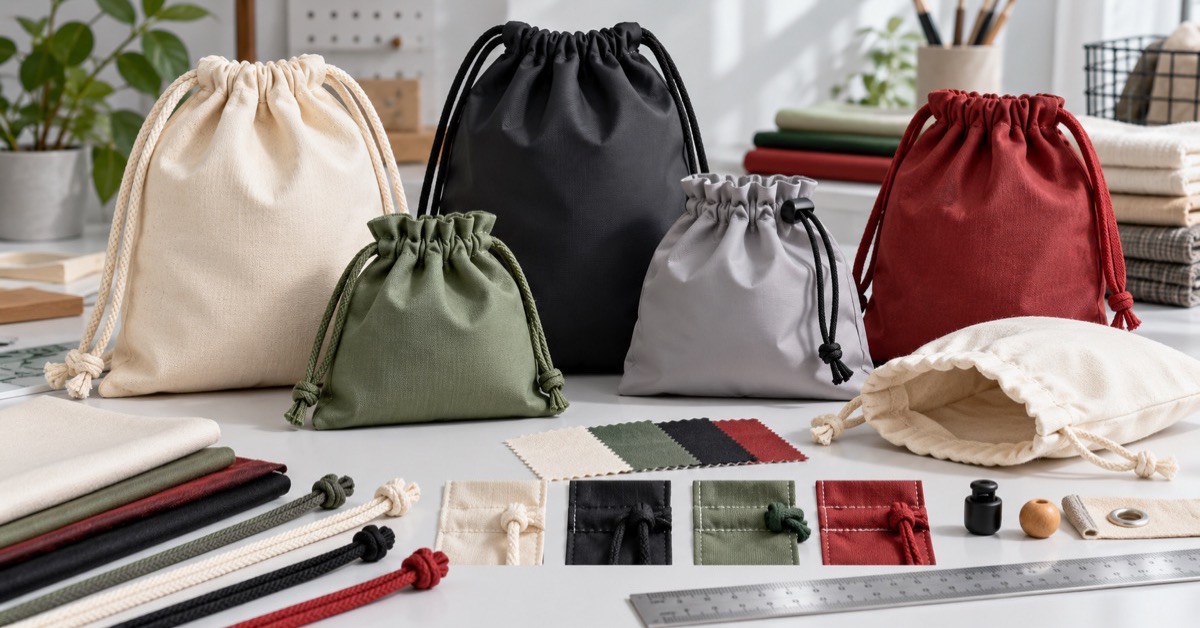


Consistency does not mean printing the same logo at the same size on every object. A useful branded packaging system defines which assets stay stable and how they adapt across bags, boxes, labels, sizes and markets. PackMK translates those rules into production-ready files and physical proofs.
The system approach reduces small visible drift across suppliers and reorders while leaving room for structure, material and campaign differences. It also gives procurement a clearer approval and asset-governance process.
PackMK records each decision with its owner, date, approved reference and change history before bulk release.
System rule 1: define brand hierarchy
Rank brand, product, variant, campaign, legal and channel messages for each packaging moment. PackMK separates stable brand rules from campaign-specific artwork so packaging stays recognizable without forcing every format into one shape. The control must survive resizing, materials, suppliers, regions and reorders.
Create examples showing what remains primary when space or print capability changes. This prevents every stakeholder treating their content as equally prominent. Store the result with the active specification so quoting, production, inspection and reorders use the same evidence.
System rule 2: protect master assets
Store approved logos, lockups, icons, typography and color definitions in controlled formats. PackMK separates stable brand rules from campaign-specific artwork so packaging stays recognizable without forcing every format into one shape. The control must survive resizing, materials, suppliers, regions and reorders.
Assign owners, version dates and prohibited legacy files in the shared library. This prevents suppliers redrawing or selecting assets from old emails. Store the result with the active specification so quoting, production, inspection and reorders use the same evidence.
System rule 3: specify minimum behavior
Set clear space, minimum size, orientation and contrast rules rather than one fixed placement. PackMK separates stable brand rules from campaign-specific artwork so packaging stays recognizable without forcing every format into one shape. The control must survive resizing, materials, suppliers, regions and reorders.
Test the smallest label and most complex bag or box before finalizing limits. This prevents rules that work only on a presentation slide. Store the result with the active specification so quoting, production, inspection and reorders use the same evidence.
System rule 4: create a color evidence ladder
Distinguish digital reference, printed swatch, material sample and signed production proof. PackMK separates stable brand rules from campaign-specific artwork so packaging stays recognizable without forcing every format into one shape. The control must survive resizing, materials, suppliers, regions and reorders.
State which physical reference controls each substrate, ink and finish combination. This prevents one color number implying identical appearance everywhere. Store the result with the active specification so quoting, production, inspection and reorders use the same evidence.
System rule 5: adapt typography
Define font files, weights, minimum sizes, line spacing and fallback rules for languages. PackMK separates stable brand rules from campaign-specific artwork so packaging stays recognizable without forcing every format into one shape. The control must survive resizing, materials, suppliers, regions and reorders.
Proof dense legal and multilingual content at actual size on the final material. This prevents brand typography becoming unreadable in production. Store the result with the active specification so quoting, production, inspection and reorders use the same evidence.
System rule 6: build format families
Group paper bags, textile bags, boxes, labels and stickers by shared visual logic and different functions. PackMK separates stable brand rules from campaign-specific artwork so packaging stays recognizable without forcing every format into one shape. The control must survive resizing, materials, suppliers, regions and reorders.
Create representative templates that preserve hierarchy without forcing identical compositions. This prevents consistency being confused with rigid duplication. Store the result with the active specification so quoting, production, inspection and reorders use the same evidence.
System rule 7: synchronize dielines
Attach artwork templates to current structural revisions, print areas, folds, seams and glue zones. PackMK separates stable brand rules from campaign-specific artwork so packaging stays recognizable without forcing every format into one shape. The control must survive resizing, materials, suppliers, regions and reorders.
Use matching codes and block artwork release when geometry changes. This prevents approved graphics landing on obsolete structures. Store the result with the active specification so quoting, production, inspection and reorders use the same evidence.
System rule 8: define image treatment
Set crop, background, resolution, color and retouching rules for product and lifestyle images. PackMK separates stable brand rules from campaign-specific artwork so packaging stays recognizable without forcing every format into one shape. The control must survive resizing, materials, suppliers, regions and reorders.
Test key images through intended print method, material color and surface finish. This prevents screen-rich imagery failing on packaging. Store the result with the active specification so quoting, production, inspection and reorders use the same evidence.
System rule 9: plan variant logic
Create codes and visible rules for size, flavor, region, language and campaign changes. PackMK separates stable brand rules from campaign-specific artwork so packaging stays recognizable without forcing every format into one shape. The control must survive resizing, materials, suppliers, regions and reorders.
Show how stable assets and changeable fields appear in file names, proofs and cartons. This prevents similar artwork versions being mixed. Store the result with the active specification so quoting, production, inspection and reorders use the same evidence.
System rule 10: govern claims and symbols
Identify who approves certifications, recycling marks, legal text and performance claims. PackMK separates stable brand rules from campaign-specific artwork so packaging stays recognizable without forcing every format into one shape. The control must survive resizing, materials, suppliers, regions and reorders.
Require current evidence and market review before symbols enter master artwork. This prevents unverified claims spreading through reusable templates. Store the result with the active specification so quoting, production, inspection and reorders use the same evidence.
System rule 11: approve physical families
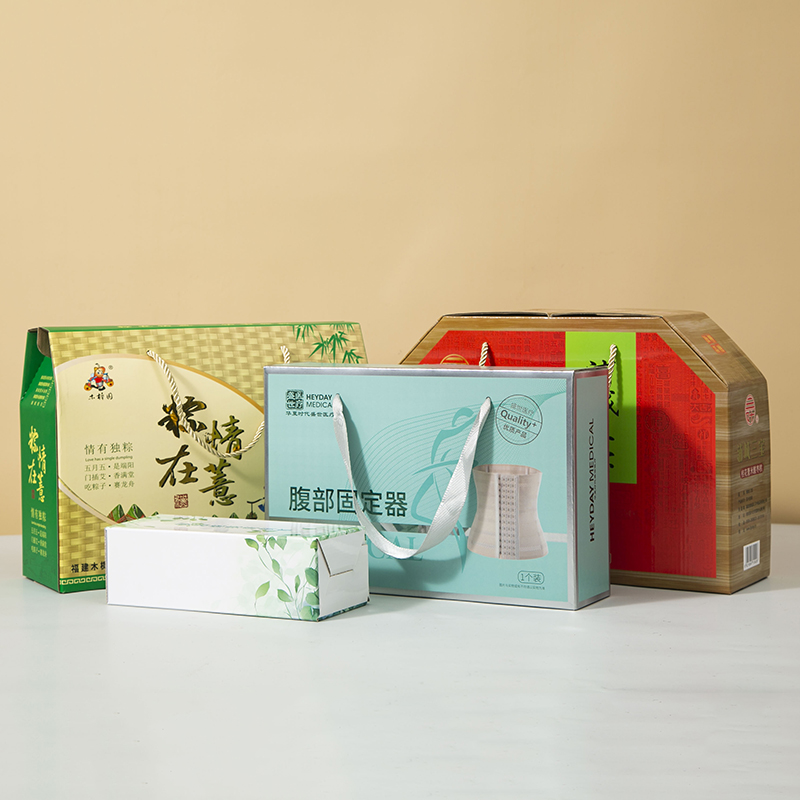
Review a representative bag, box and label together under consistent lighting. PackMK separates stable brand rules from campaign-specific artwork so packaging stays recognizable without forcing every format into one shape. The control must survive resizing, materials, suppliers, regions and reorders.
Compare hierarchy, color relationship, typography and filled or applied behavior rather than isolated beauty. This prevents individual approvals producing an inconsistent shelf family. Store the result with the active specification so quoting, production, inspection and reorders use the same evidence.
System rule 12: document production tolerances
Define acceptable movement, color variation, finish position and material behavior by format. PackMK separates stable brand rules from campaign-specific artwork so packaging stays recognizable without forcing every format into one shape. The control must survive resizing, materials, suppliers, regions and reorders.
Use physical references and measurable limits where the decision is critical. This prevents unrealistic brand rules causing disputes or hidden concessions. Store the result with the active specification so quoting, production, inspection and reorders use the same evidence.
System rule 13: control supplier handoffs
Issue a release packet with assets, dieline, material, proof, variants and approvals. PackMK separates stable brand rules from campaign-specific artwork so packaging stays recognizable without forcing every format into one shape. The control must survive resizing, materials, suppliers, regions and reorders.
Require acknowledgment and keep obsolete files outside the active production route. This prevents different suppliers interpreting the same guideline differently. Store the result with the active specification so quoting, production, inspection and reorders use the same evidence.
System rule 14: learn across reorders
Collect receiving evidence, field photos, color drift, version errors and new format needs. PackMK separates stable brand rules from campaign-specific artwork so packaging stays recognizable without forcing every format into one shape. The control must survive resizing, materials, suppliers, regions and reorders.
Update system rules without overwriting the historical approval tied to shipped orders. This prevents improvements breaking traceability. Store the result with the active specification so quoting, production, inspection and reorders use the same evidence.
Separate stable brand assets from adaptable rules
| Element | Stable control | Adaptation |
|---|---|---|
| Logo | Approved master | Scale and position |
| Color | Reference hierarchy | Substrate proof |
| Type | Font and minimums | Language layout |
| Images | Treatment rules | Crop by format |
| Claims | Approval owner | Market content |
Review packaging as a family
| Format | Primary job | Brand check | Production check |
|---|---|---|---|
| Paper bag | Carry and visibility | Filled view | Handle and print |
| Fabric bag | Reuse | Wear visibility | Material and seam |
| Box | Presentation | Opening sequence | Structure and finish |
| Label | Identity and information | Hierarchy | Adhesion and legibility |
| Carton | Logistics | Version mark | Strength and count |
Support sourcing and governance claims
External resources help teams frame paper and quality questions without replacing market-specific approval or order evidence. Review FSC chain-of-custody information and ISO quality management principles for useful context. Order acceptance still depends on the actual materials, product, route and documented test conditions.
Turn branded packaging into a governed asset system
For branded packaging, record brand hierarchy, master artwork, color reference, typography rules, dieline template, format family, variant code, physical proof, approval owner, asset library. The controlled file also identifies PackMK, ISO, FSC, paperboard, cotton, label, Pantone, carton. This vocabulary turns the search phrase into fields that suppliers can quote and inspectors can verify.
Build branded packaging with PackMK
PackMK can develop branded packaging from brief and samples through production, quality checks and export packing. Send PackMK the product, use, artwork, quantity, variants, destination and required date to request a structured quotation for branded packaging.
- Explore PackMK custom packaging formats
- Review PackMK OEM and ODM support
- Request a branded packaging quotation
Branded packaging system questions
What should a branded packaging brief include?
For branded packaging, provide brand assets, product hierarchy, formats, sizes, materials, markets, languages, claims, quantities, proof requirements and approval owners.
Does every package need the same layout?
No. Consistency comes from shared hierarchy, assets and behavior rules, while layouts adapt to structure, function and available space.
How should brand colors be controlled?
Use a hierarchy from defined color target to substrate-specific physical swatch or proof, with viewing conditions and acceptance stated.
Why connect artwork to dieline revisions?
Cuts, folds, seams and glue zones determine safe placement; matching codes prevent current artwork from using old geometry.
How are multiple languages controlled?
Define typography, minimum sizes, content owners, translation approval, unique version codes and actual-size proofs for each market.
What belongs in a packaging asset library?
Keep current master logos, fonts, icons, colors, templates, dielines, proofs, claim evidence, owners and archived obsolete versions.
How should certification marks be handled?
Confirm applicability, current evidence, permitted wording and approval ownership for the actual material, supplier chain and market.
What is a representative family proof?
It reviews key bag, box and label formats together to compare hierarchy, color relationships, typography and real-use appearance.
How can several suppliers stay consistent?
Issue identical controlled packets, require physical evidence, define tolerances and retain results by supplier and production lot.
How does PackMK support brand packaging systems?
PackMK can translate brand rules into materials, dielines, artwork, physical proofs, variants, inspection controls, packing and repeat records.