

Drawstring Bag for Everyday Carry and Custom Branding
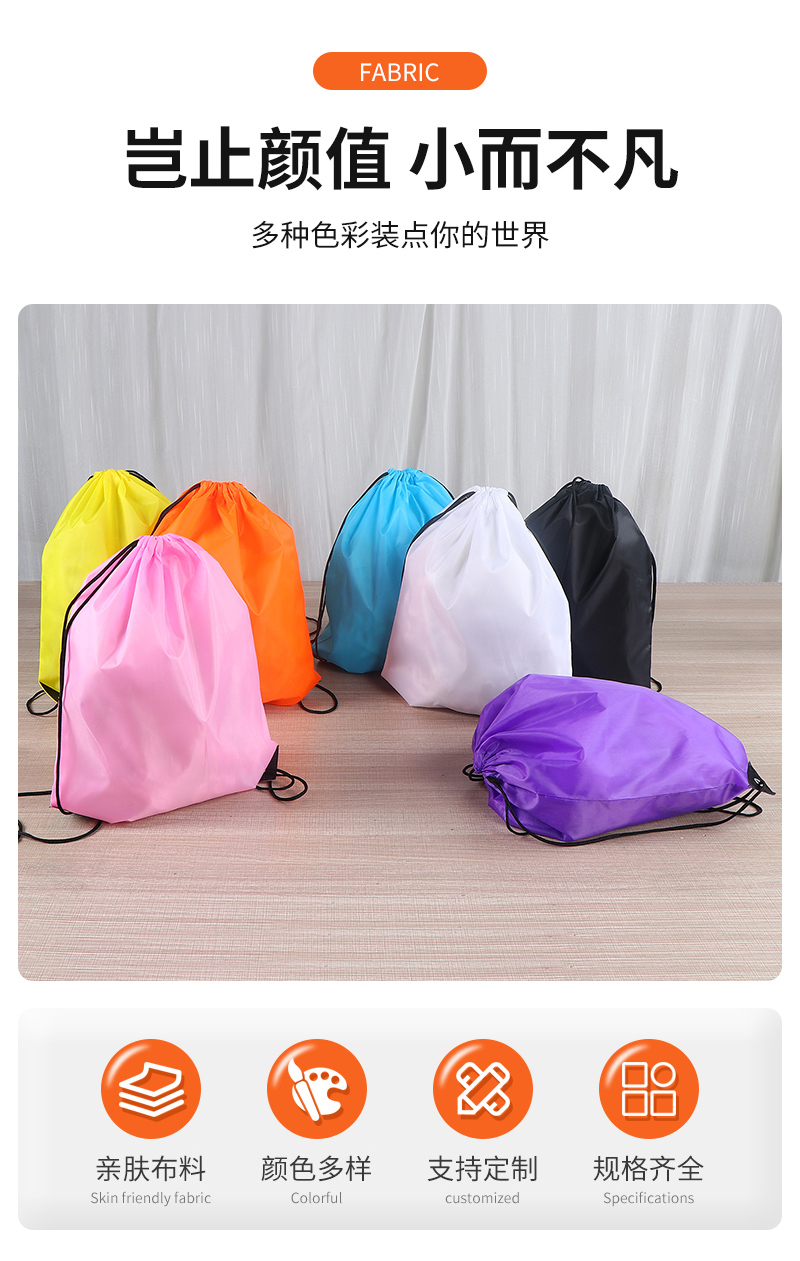
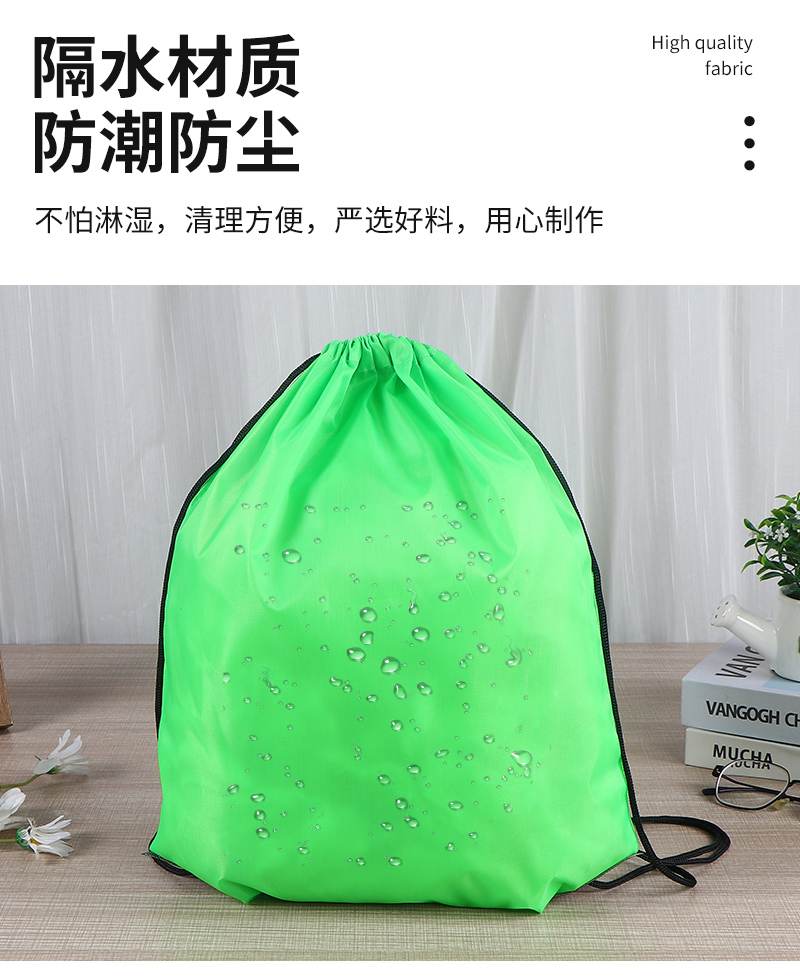
 A drawstring bag is often chosen for one simple reason: it makes small-to-medium item storage fast, light, and easy to manage. Instead of dealing with zippers, snaps, or rigid packaging, a buyer gets a soft bag that closes in one motion and opens just as quickly. For brands, schools, event teams, and retail sellers, that solves two problems at once—practical carrying and visible logo space. The polyester drawstring bag shown in the supplied information fits this need well because it combines a simple sack structure with customization options for color and printing.
In daily use, this kind of bag works as a reusable drawstring bag for quick packing, sample distribution, branded giveaways, or organized storage. The flat body and cinch top keep the construction straightforward, which also makes it suitable for repeat production and custom artwork application. When a buyer needs a lightweight promotional item or a compact package for textiles and small goods, the format is familiar and easy to work with.
Product Overview
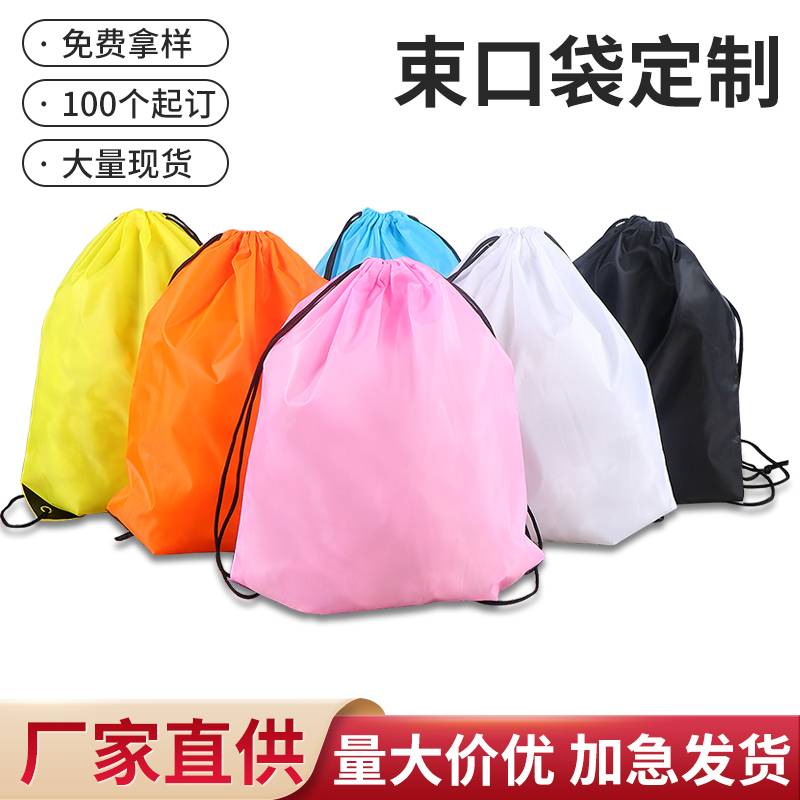
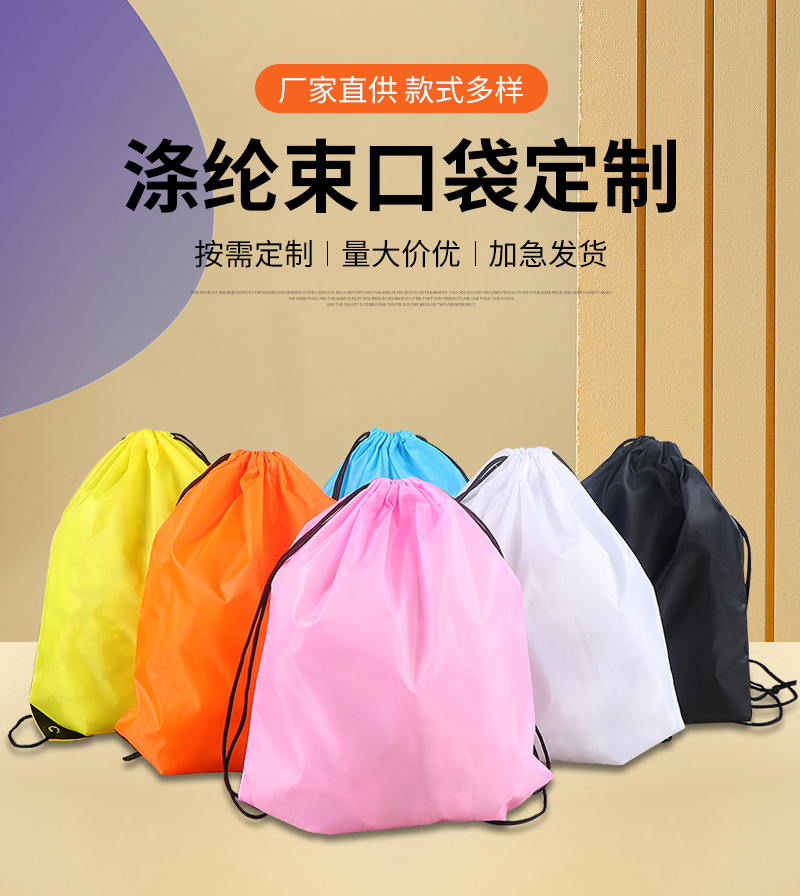
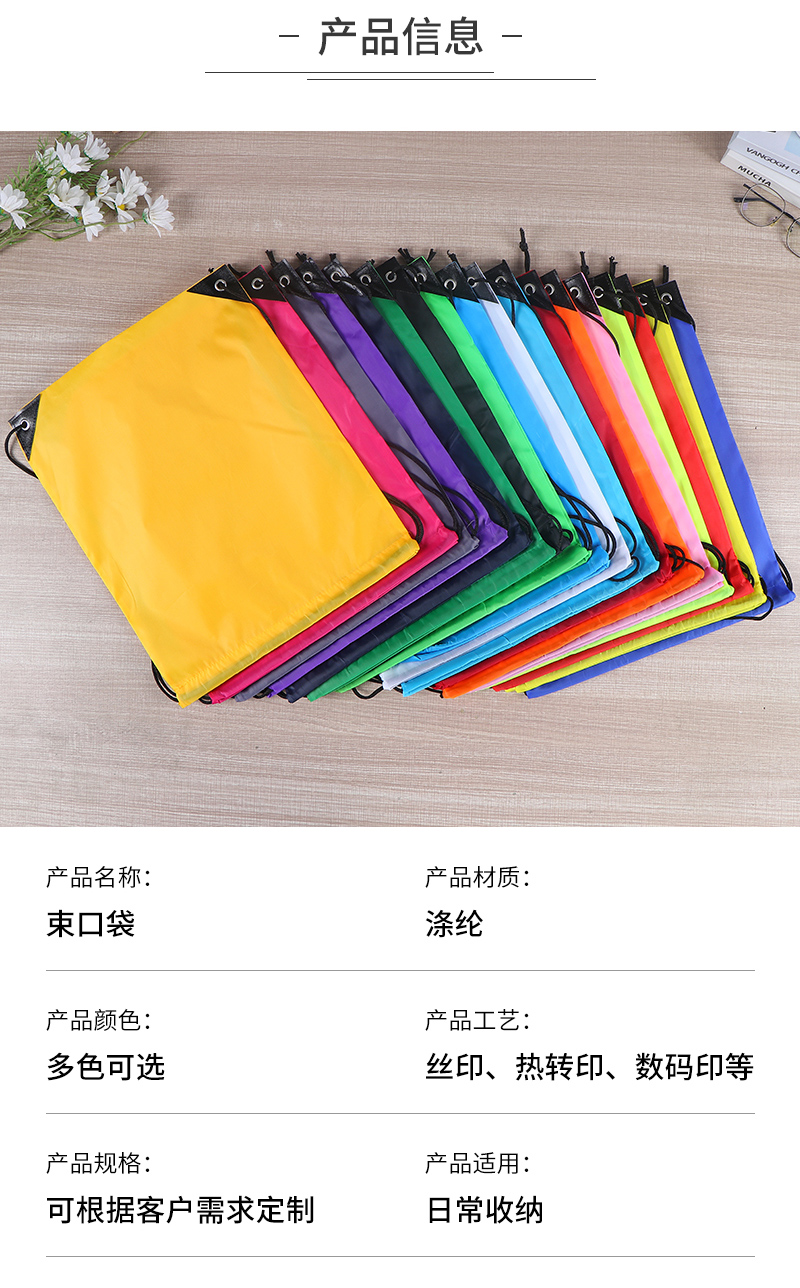
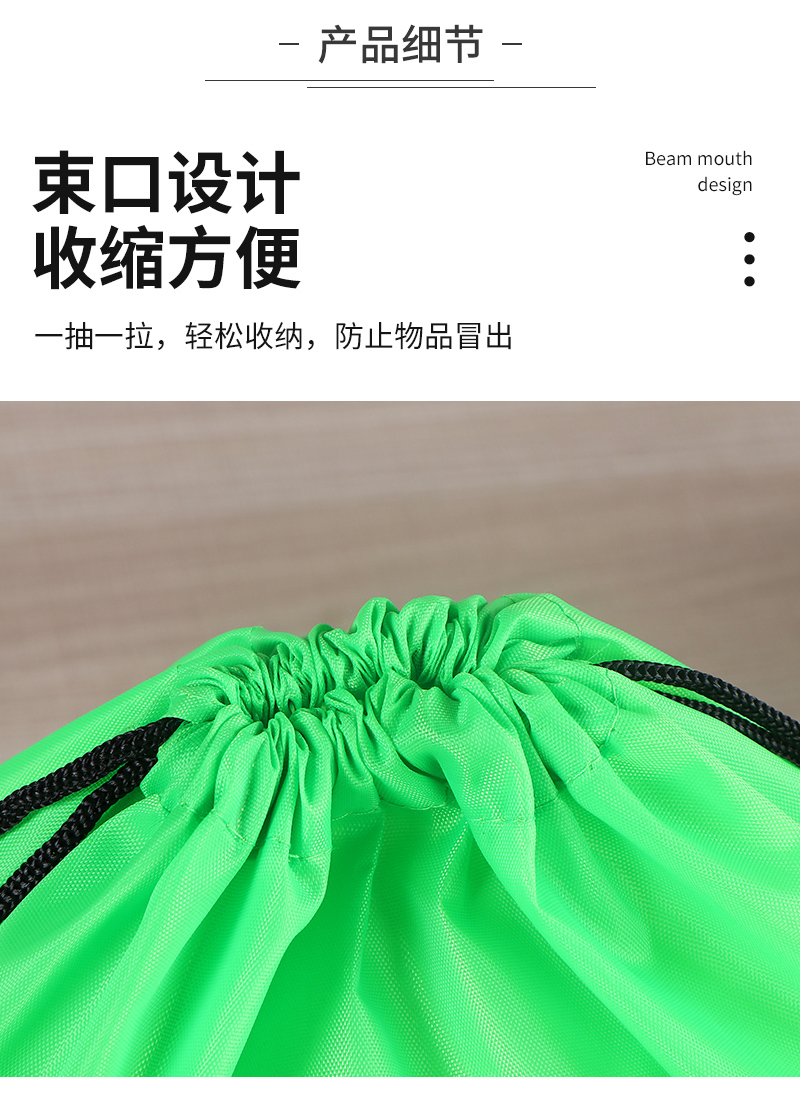
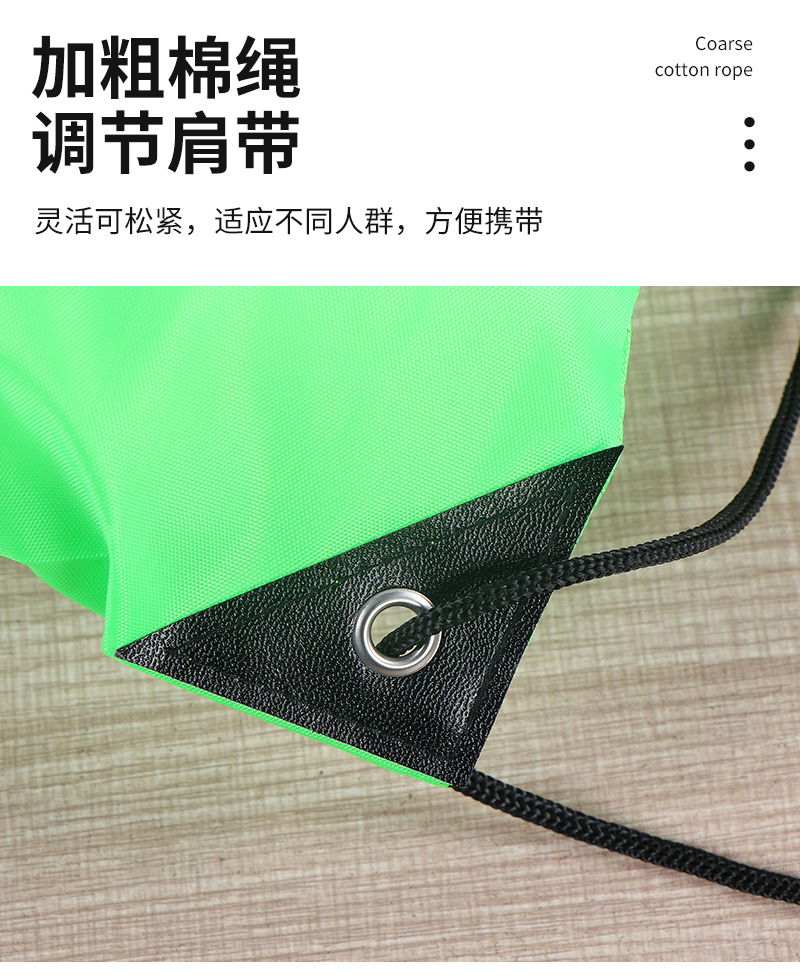
The visible construction is a rectangular or slightly rounded pouch with sewn side and bottom seams, a reinforced top edge, metal eyelets, and black drawcords running through the opening. Pulling the cords closes the mouth of the bag, which helps keep contents together during hand carry or short-distance transport. The supplied notes identify polyester as the main fabric, while also indicating that multiple colors are available and specifications can be customized according to customer needs.
This is not a structured carrier with handles or pockets. That simplicity is part of the appeal. A polyester drawstring bag is easy to fold, pack flat, and distribute in volume. For buyers planning branded packaging or event merchandise, the shape also provides a clean front surface for print placement.
Key Specifications and Capabilities
Construction
The bag uses a cut-and-sew textile construction with a drawstring closure system. The metal eyelets guide the cord through the upper section, helping the opening cinch smoothly. Based on the supplied image notes, the structure appears light and flexible rather than rigid.
Customization
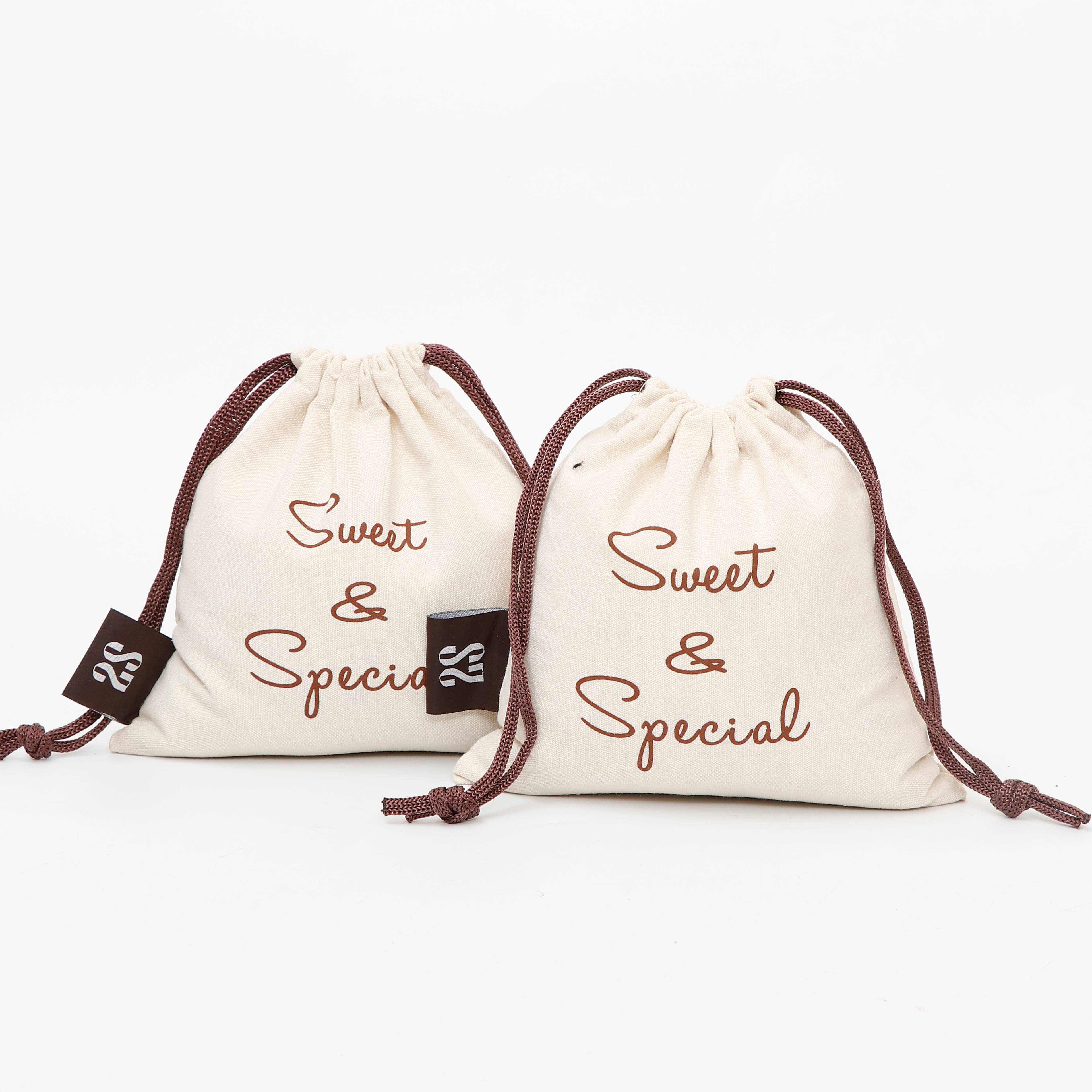
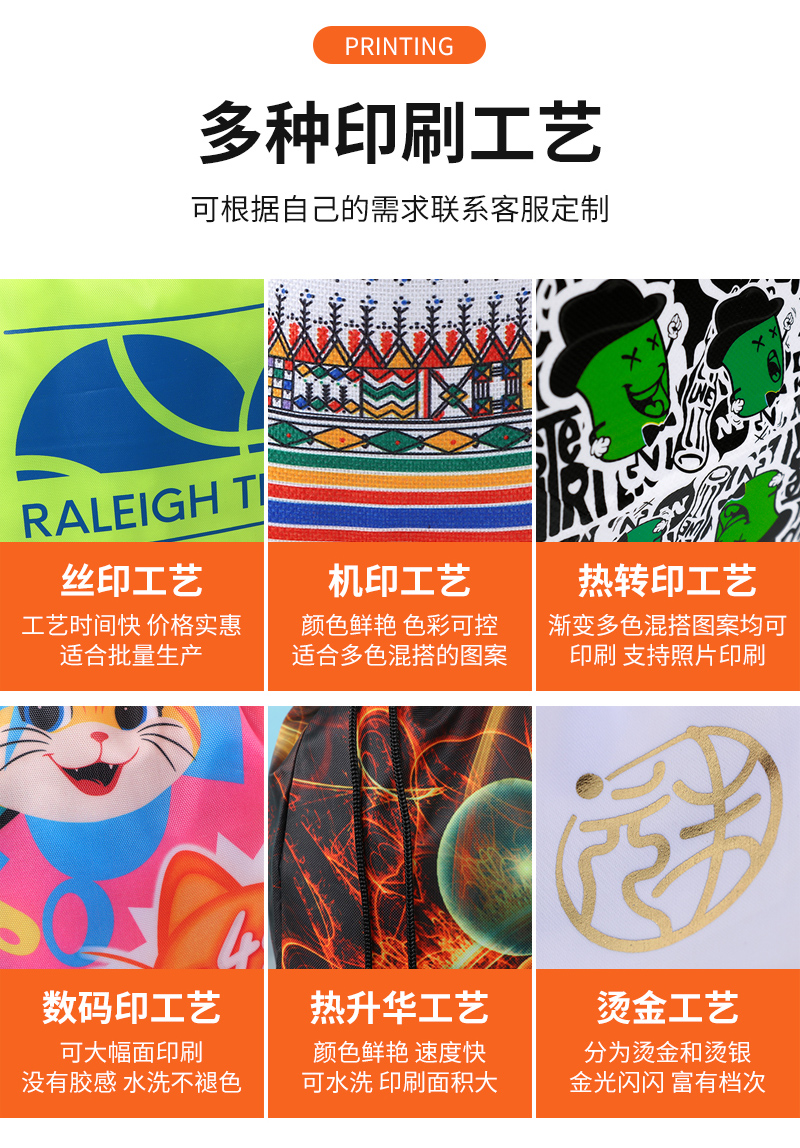
Custom drawstring bag options include size adjustment, color selection, and print decoration. The notes mention screen printing, heat transfer printing, and digital printing as available decoration methods. Because the exact size, fabric thickness, and load capacity are not provided, buyers should confirm final specifications before production.
Color and appearance
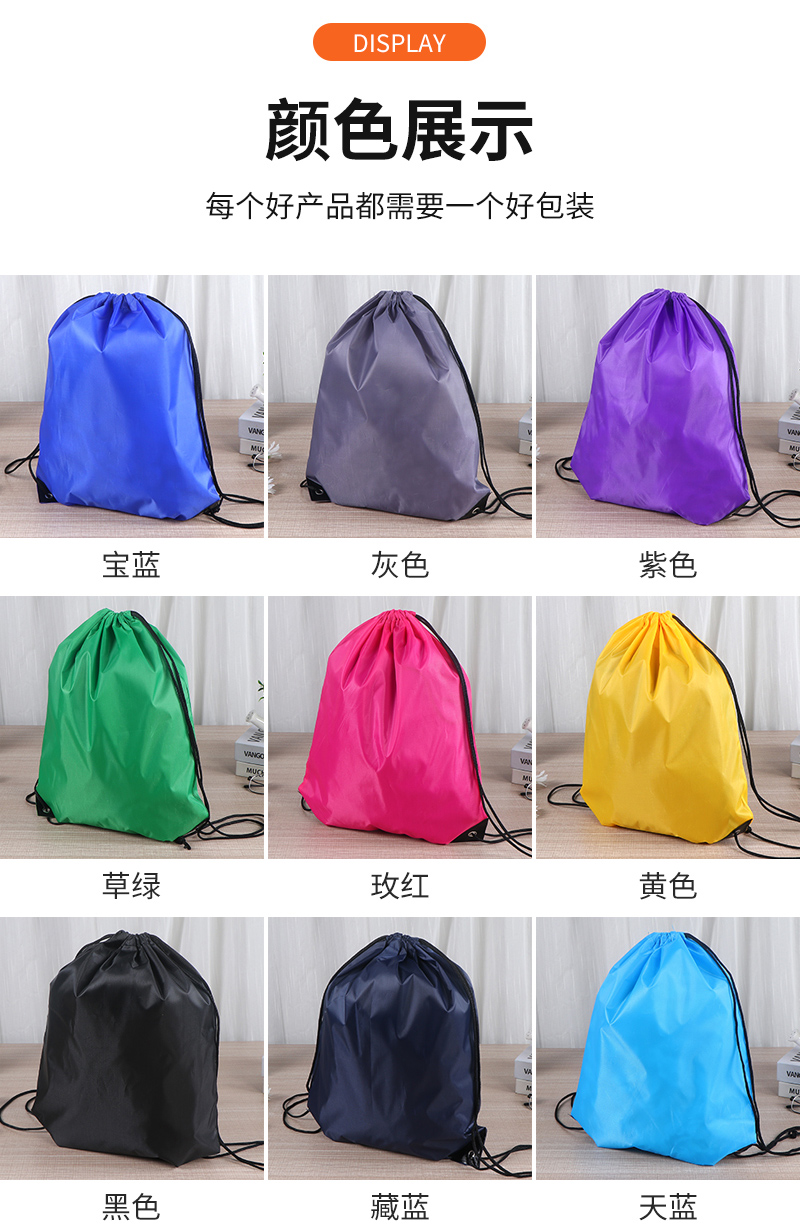
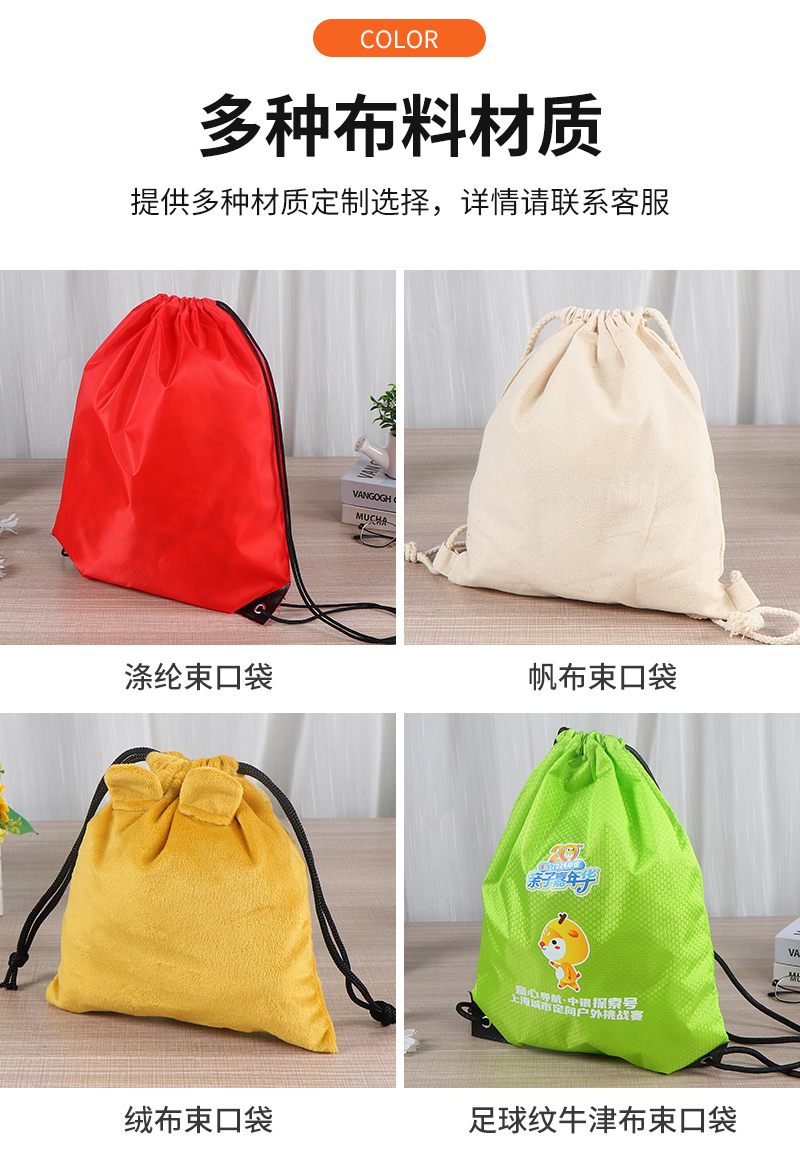
Multiple colors are shown, so the bag can be matched to campaign themes, school colors, retail branding, or product sets. For a buyer building a visual identity, that matters as much as the closure style. A consistent color can make a simple pouch look intentional rather than generic.
Materials and Finish Options
The supplied information points to polyester fabric for the bag version shown. Polyester is commonly selected in textile packaging because it is stable in shape, relatively easy to cut and sew, and suitable for decoration. However, exact denier, coating, and lining are not stated, so those details should not be assumed.
On the decoration side, the notes describe multiple printing routes for textile surfaces, including screen print, heat transfer print, and digital printing. In similar fabric applications, these methods can produce solid logos, multicolor graphics, and photo-style imagery depending on the design and substrate. If the buyer wants a custom printed textile finish, artwork choice will influence the most suitable method.
Manufacturing and Decoration Process
Production is likely based on standard textile cutting, seam assembly, eyelet setting, cord insertion, and final inspection. That workflow is straightforward for bulk orders and helps keep the product consistent across repeated runs. For branded packaging, the print step becomes the main point of differentiation.
The image notes also mention print workflows for custom apparel and fabric decoration more broadly, including screen printing, machine printing, heat transfer printing, digital printing, heat sublimation, and foil stamping. Those references suggest a broader customization service capability around textile surfaces. A buyer comparing methods should ask whether the chosen process suits the base fabric, the artwork complexity, and the intended finish.
Application Scenarios
This bag fits a wide range of low-weight, high-volume uses. It can serve as daily storage for accessories or small essentials, a promotional item for trade shows, a school or sports bag for light gear, a packaging pouch for retail goods, or a giveaway item for events and campaigns. A reusable drawstring bag also works well when the buyer wants packaging that is easy to hand out and still useful after the initial purchase.
For merchants, the format can support product presentation. For organizers, it can separate kits, samples, or welcome items. For brands, it offers logo visibility without the cost and bulk of a more complex carrier.
Quality Control and Buyer Considerations
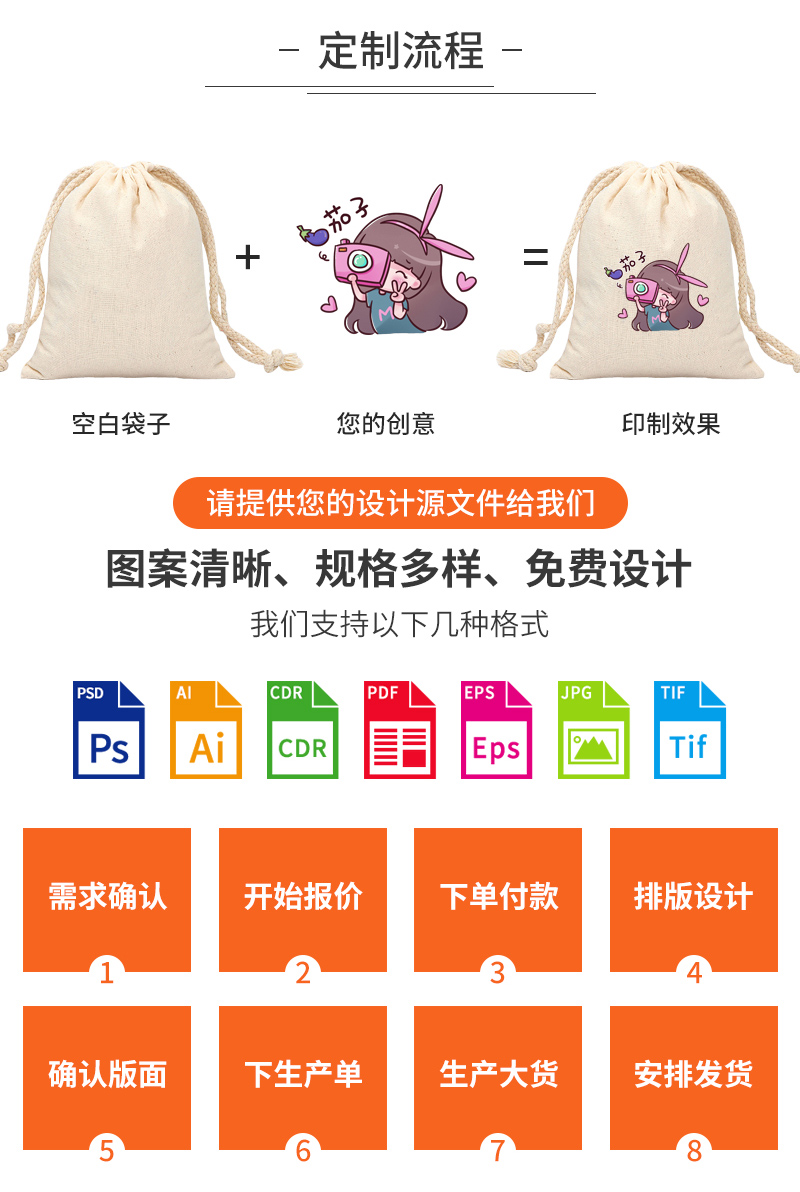
When reviewing this type of product, buyers should focus on a few practical points. First, confirm the final size and whether it matches the intended contents. Second, check the fabric weight and seam finishing if the bag will be used frequently. Third, verify print placement, color matching, and the acceptable artwork format before production begins. The supplied notes mention support for PSD, AI, CDR, PDF, EPS, JPG, and TIF files, along with a workflow that includes design confirmation and proof approval.
Because load capacity, water resistance, and cord strength are not stated, those should be treated as open questions rather than assumed features. If the bag will hold heavier items or be used outdoors, the buyer should request exact material and construction details.
How to Order a Custom Version
When requesting a custom drawstring bag, prepare the intended size, color preference, logo file, print position, and quantity range. If the project includes a giveaway campaign or retail packaging, it helps to share the use scenario early. That allows the supplier to recommend the most practical decoration method and bag specification.
For teams comparing options, the main decision factors are usually material feel, artwork complexity, color control, and whether the bag is meant for short-term promotion or repeated reuse. If you need a simple branded carrier with fast access and compact storage, this format is easy to justify.
Request Artwork Support and Sample Guidance
If you are planning a custom drawstring bag order, send your artwork and basic specification requirements for layout confirmation. A sample or proof stage is especially useful when the design includes multiple colors, logos, or text that must remain legible on a small textile surface. Share your target use case, and the production team can help match the printing method, bag color, and finishing approach to the final application.