

Customized Food Bags for Retail Snacks and Dry Goods
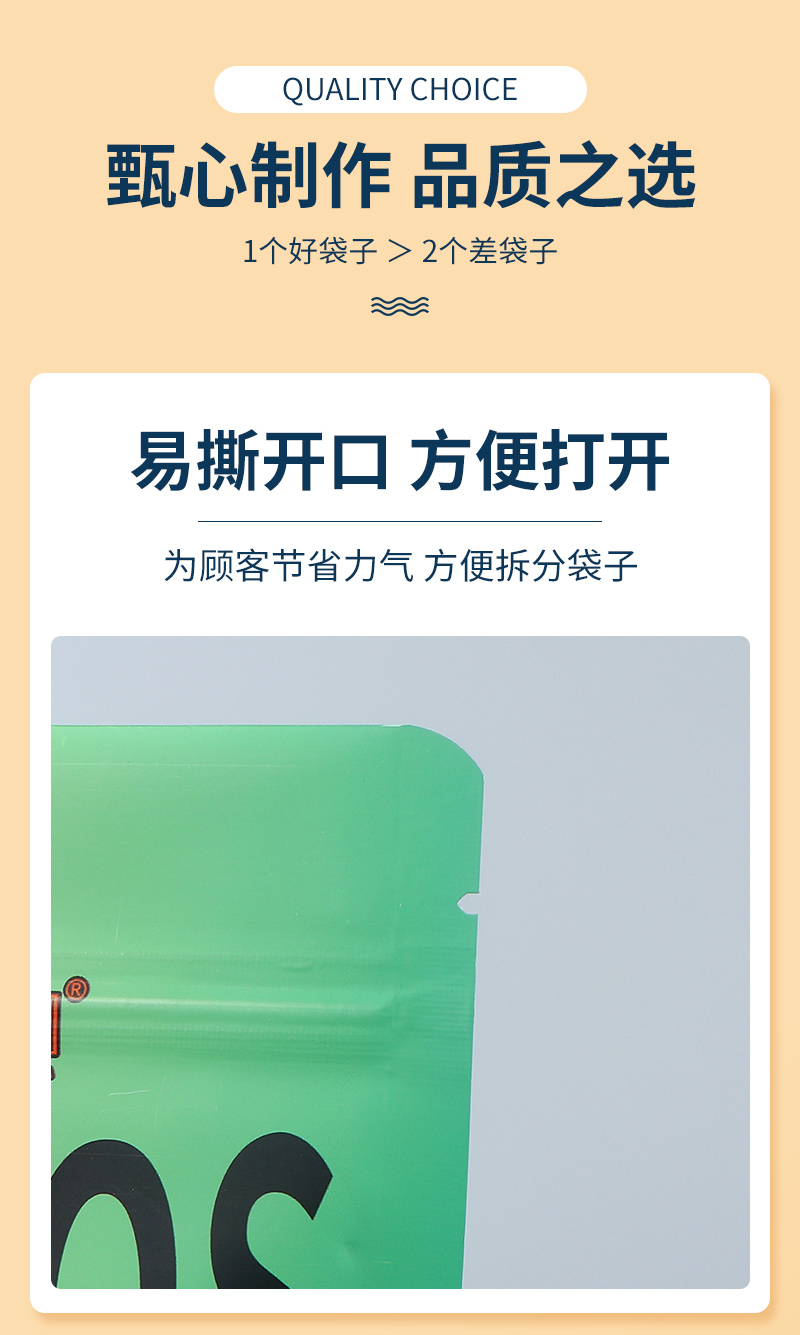
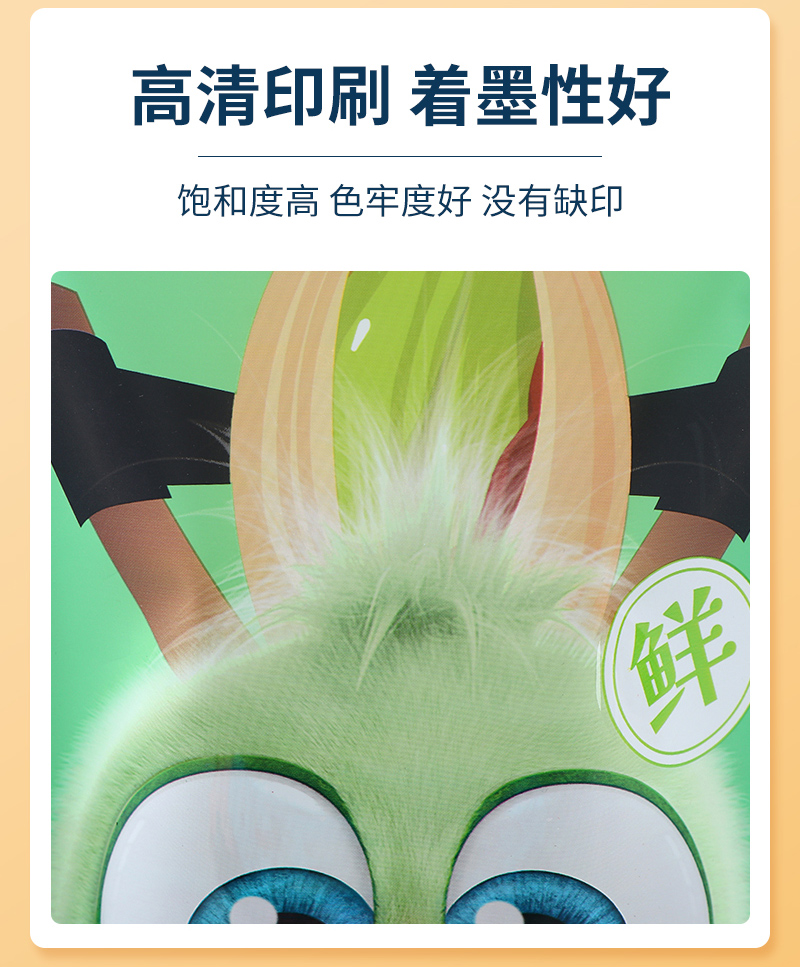
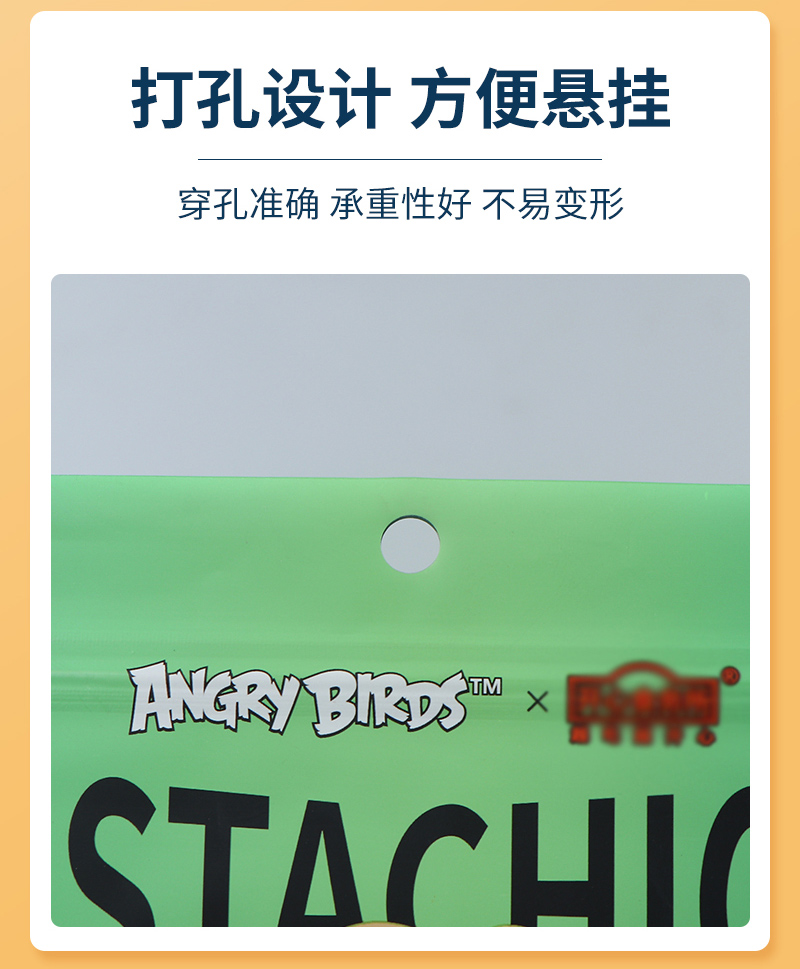
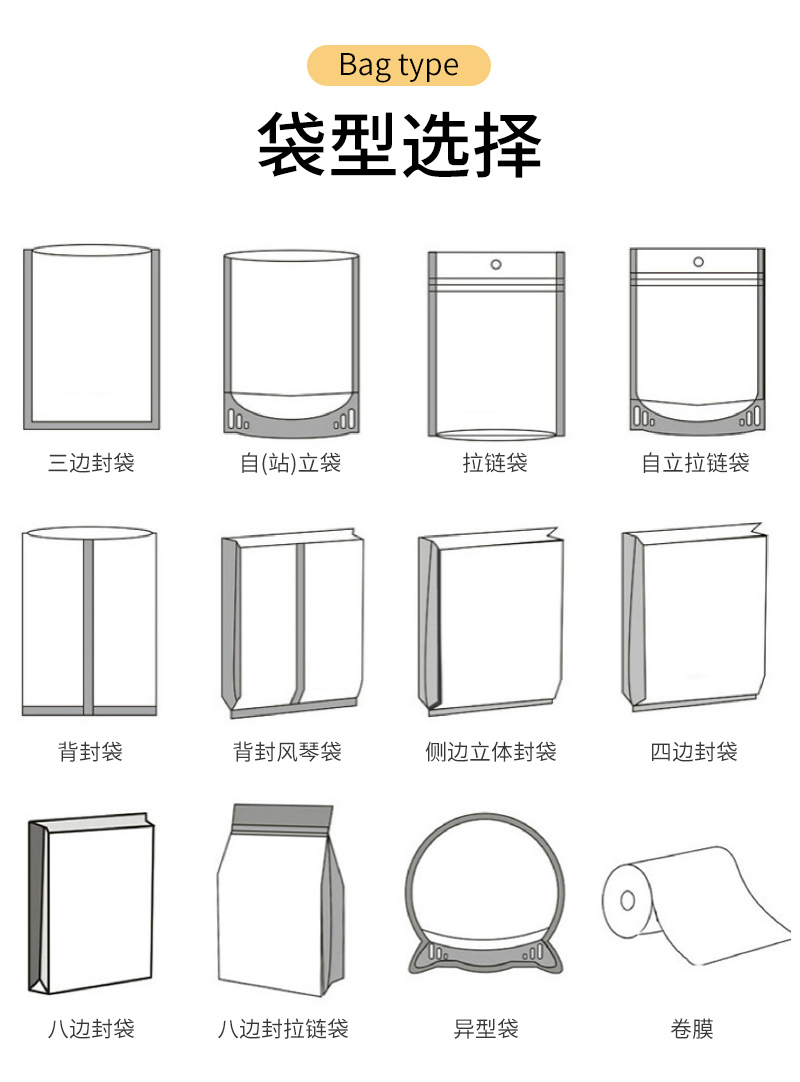
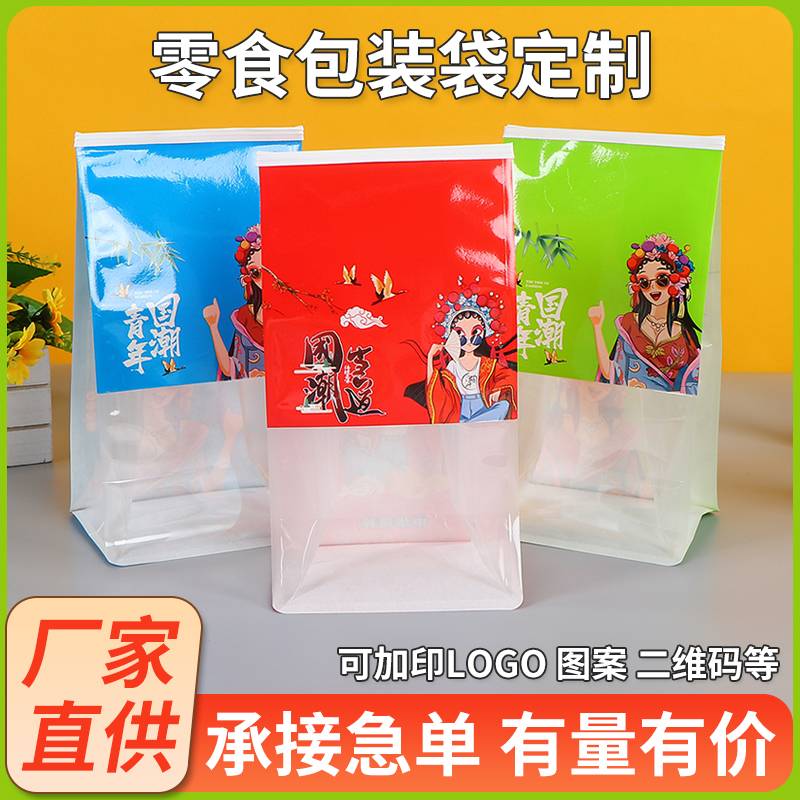
Customized food bags help brands package nuts, dried fruit, candy, tea, seasoning blends, and other dry products in a format that is practical for transport, shelf display, and consumer use. For buyers, the main problem is often not just “finding a bag,” but getting packaging that fits the product, supports printing, presents well at retail, and uses a structure suited to storage needs. A well-made customized food bag can solve that by combining product protection, branding space, and a pouch shape that stands upright or hangs neatly on display.
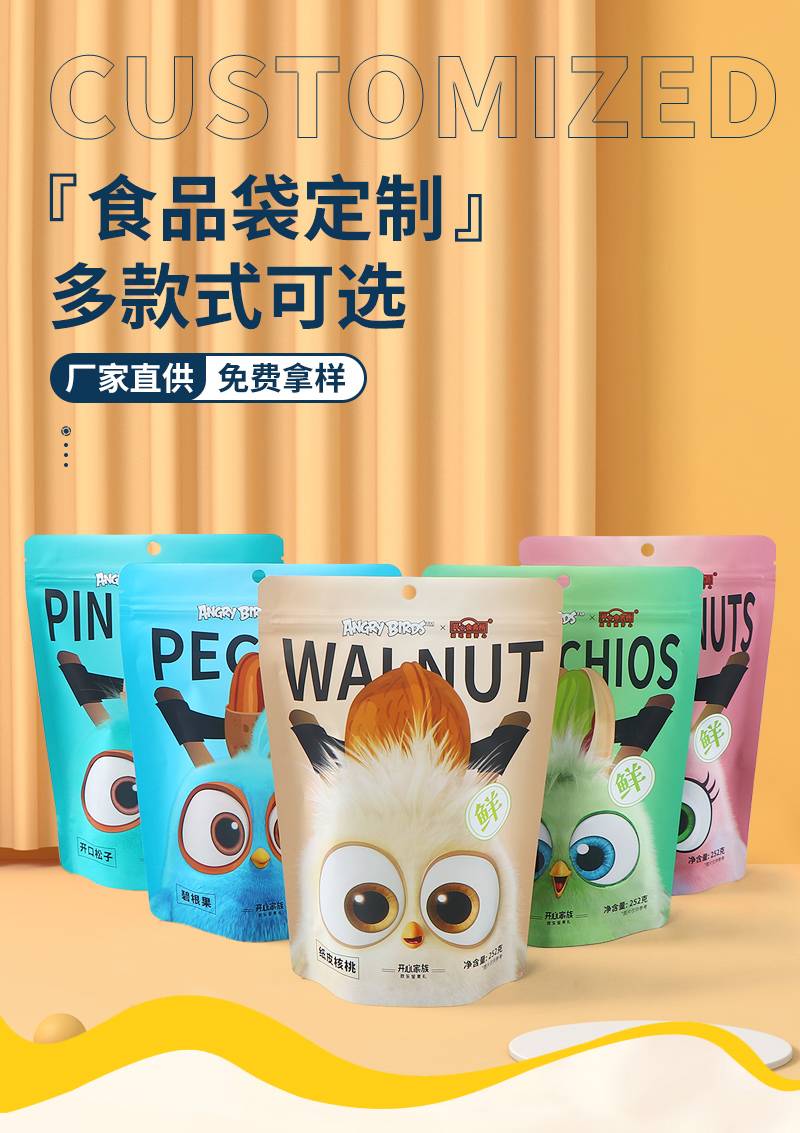
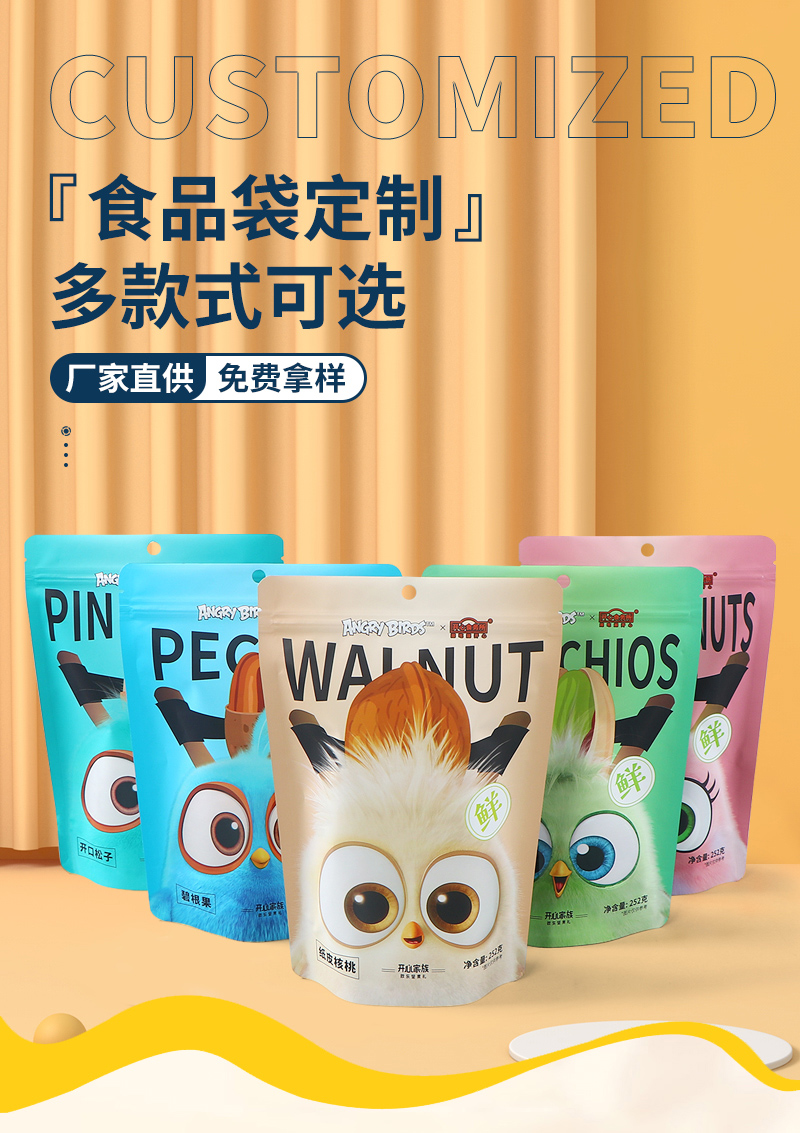
These stand-up pouches are shown in applications such as pistachios, walnuts, peanuts, and mixed snacks. The format is suitable for brands that want a retail-ready pouch with custom artwork, while keeping the packaging flexible enough for different dry food categories. In many sourcing projects, buyers also look for personalized food bags that can be adjusted by artwork, structure, surface finish, and material combination rather than by a fixed off-the-shelf size.
Product Overview
This product category includes custom printed food bags in a doypack-style structure, with a flat or gusseted base for upright display. The visible samples show a top hanging hole, rounded top corners, and matte or semi-matte printing. That makes the bag suitable for both shelf display and peg display in retail environments. The format is also commonly used for branded food bags where appearance matters as much as the package's functional role.
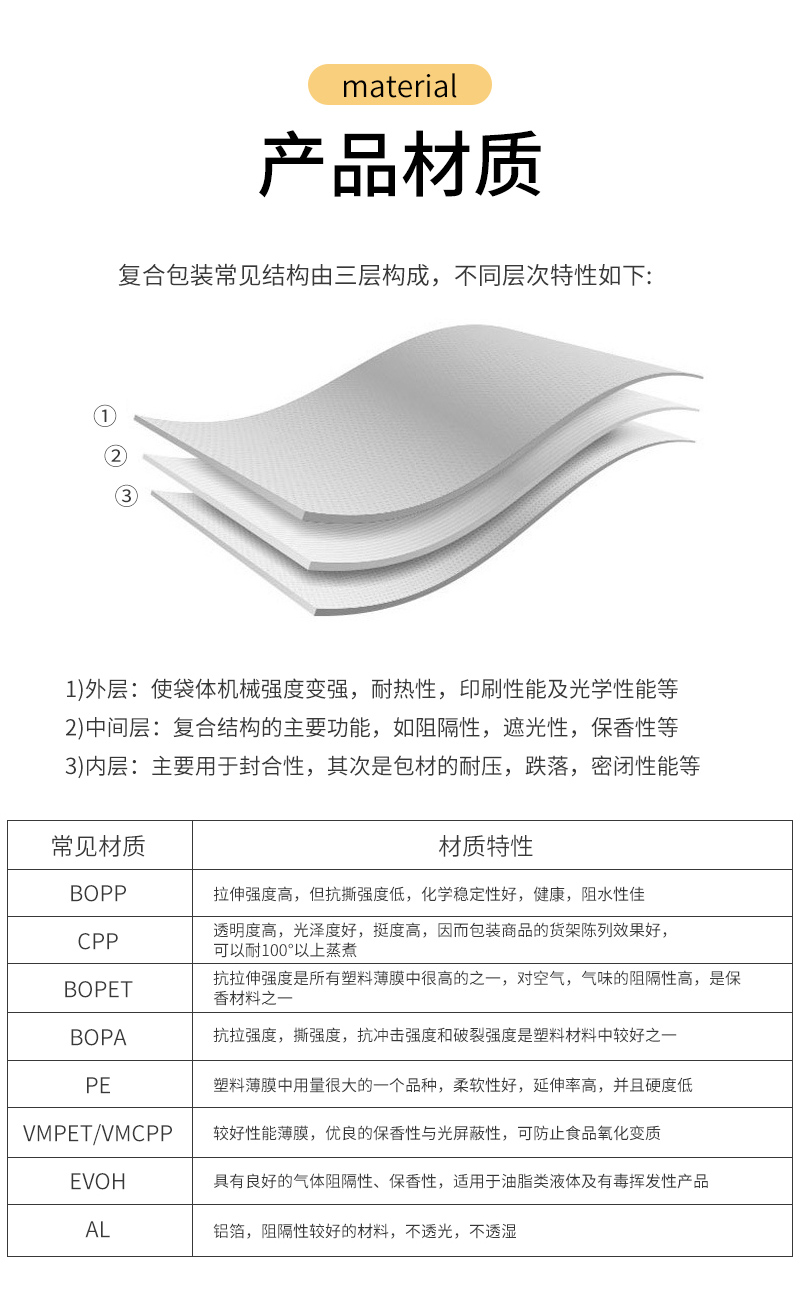
The supplied material information points to multi-layer flexible packaging structures such as PET, OPP, PA, and PE, with aluminum foil or aluminum foil options mentioned as possible choices. Based on the information provided, this appears to be a laminated or composite packaging system designed for a balance of printability, mechanical strength, sealing, and barrier performance, depending on the selected layer combination.
Key Specifications and Capabilities
Common material combinations
Available materials mentioned include PET/OPP/PA/PE, along with VMPE, VMCPP, EVOH, and AL-related structures. These materials are typically selected for different roles in the bag construction.
Outer layers such as BOPP or BOPET are generally used to support print quality, surface appearance, and mechanical strength. Functional middle layers may be used to improve barrier properties, aroma retention, or light shielding. Inner layers such as PE or CPP are often selected for heat sealing and package integrity. The provided notes also mention that CPP can withstand temperatures above 100°C, which is useful when considering thermal resistance in packaging design.
Functional roles of multilayer structures
Composite packaging film is often chosen because a single material rarely delivers every needed property at once. A layered structure can combine printability, flexibility, puncture resistance, gas barrier performance, and sealing behavior. In practical packaging terms, that helps protect dry food products during filling, shipping, retail handling, and home storage.
The listed material traits also indicate why certain layers are used: BOPP for chemical stability and surface quality, BOPET for tensile strength and gas barrier support, BOPA for puncture and tear resistance, PE for flexibility and elongation, EVOH for gas barrier and aroma retention, and aluminum foil for strong light-blocking and moisture-blocking performance.
Materials and Finish Options
Buyers often choose the bag structure based on the product inside. For nuts and snack foods, barrier needs are usually connected to oxidation control, aroma retention, and presentation. For teas and seasonings, the finish may need to support clear branding and reliable sealing. For gift packs or private-label products, the visual finish is often just as important as the functional film structure.
The visible bags appear matte or semi-matte, which gives a more premium look than a fully glossy finish. Custom colors and graphics are supported, and the samples show that full-surface artwork can be printed on the pouch body. This makes the format suitable for personalized food bags used by brands that need a distinct shelf identity.
Manufacturing Process
The exact process is not confirmed by the image alone, but the product category is consistent with flexible packaging printing, lamination, pouch forming, and die-cutting. In many cases, custom printed food bags are produced by printing film rolls first, then laminating multiple layers to achieve the needed structure, followed by pouch conversion into the final stand-up shape.
Depending on the design, the package may also include a hanging hole, rounded corners, and a formed bottom gusset. The available information suggests that multiple customization options are possible, but exact print method, sealing format, and closure style should be confirmed with the supplier before production.
Application Scenarios
These customized food bags are suitable for roasted nuts, dried fruit, candy, tea, spice blends, snack mixes, and similar dry goods. The pouch format is especially useful for retail channels where the package must stand out visually while also standing upright on a shelf or hanging from a display hook.
For brands launching seasonal products, gift packs, or private-label lines, the bag can be used as a branded food bag that carries logo, product details, graphics, and consumer-facing information on a relatively large print area. The same format may also support non-food daily-use items where a flexible pouch is preferred.
Quality Control Considerations
When evaluating suppliers, buyers should confirm the material stack, surface finish, sealing design, and print consistency. Since the provided data does not include exact thickness, barrier values, or certification details, those points should be requested directly if they are important for the project.
It is also wise to verify sample appearance, color registration, pouch stability, and whether the bag stands properly when filled with the intended product weight. If the package will be used for oily, aromatic, or moisture-sensitive contents, the buyer should ask for the appropriate barrier structure rather than assuming one standard film will suit all products.
Customization Guidance for Buyers
To select the right custom takeout bags or dry-food pouches for your project, start with the product characteristics: particle size, oil content, aroma level, storage period, and display method. Then define the packaging goals, such as shelf appeal, hanging display, resealability, or higher barrier performance. After that, match the structure to the use case.
For example, a snack brand may prioritize print quality and shelf appearance, while a tea brand may place more weight on aroma retention. A mixed-nut product may need stronger puncture resistance and a more protective laminate. The best choice is usually a balanced structure, not the most complex one available.
Buyer Decision Factors
Before placing an order, compare material structure, print requirements, pouch type, display needs, and final filling method. Ask whether the supplier offers free samples, whether custom colors are supported, and how the bag will be formed. If you are buying for a retail chain or private label launch, consistency across batches matters as much as appearance.
Because some details are not visible in the source data, it is better to confirm closure type, food-contact compliance, exact dimensions, and barrier requirements at the inquiry stage. That helps avoid mismatches between the package and the product.
Request Custom Printed Food Bags for Your Product
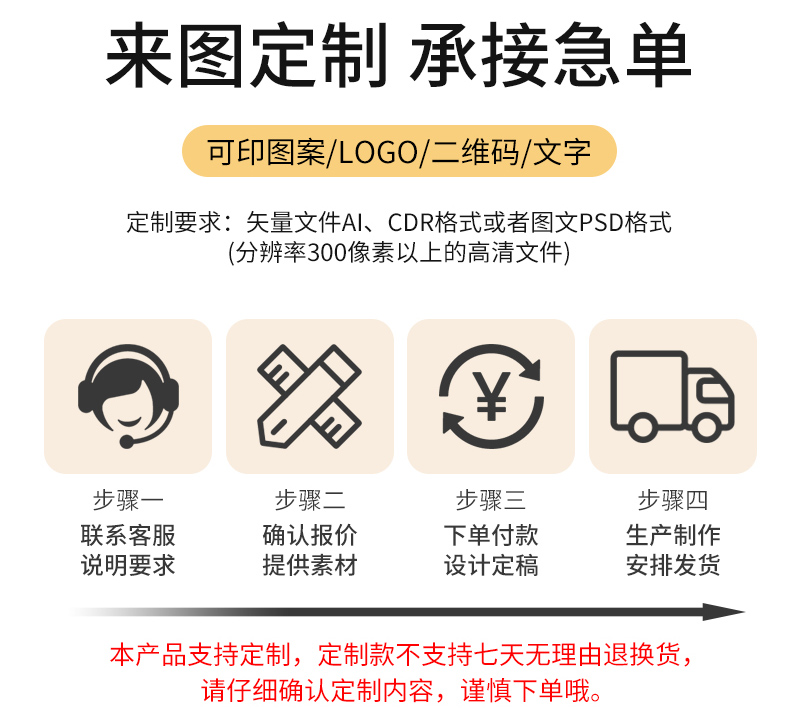
If you are sourcing customized food bags for nuts, snacks, tea, or other dry goods, share your product type, size target, artwork, and packaging goals. A good supplier can then recommend a material structure and pouch format that fits both the product and the market positioning. If you need personalized food bags, custom printed food bags, or branded food bags for retail use, this flexible packaging format is a strong starting point for a practical and professional package solution.