


A bulk non woven bags order is usually calculated in pieces, but the warehouse receives cartons and the campaign consumes stock by location. A total that looks sufficient on a spreadsheet can still leave one region short, one carton mixed or one print batch stranded.
PackMK uses a demand-to-carton model. It starts with demand bands, converts them into variant quantities, adds a controlled buffer and ends with cartons that can be counted and allocated without opening every box.
Short answer: Bulk non woven bags should be planned from demand by location and variant, then converted into print batches, carton quantities and a named buffer. The order is ready when the piece total, carton total and allocation total reconcile.
The demand-to-carton model
Use one model from forecast to dispatch so the quantity on the purchase order can be reconciled with what each receiving point needs.
| Layer | Input | Output |
|---|---|---|
| Demand | Stores, events or warehouse pull | Required pieces by variant |
| Variant | Size, colour, handle or print | Production groups |
| Buffer | Approved service-risk percentage | Held-back pieces |
| Packing | Inner and carton quantity | Carton count and marks |
| Allocation | Destination and arrival need | Carton split by location |
PackMK keeps the held-back buffer outside the location allocation until a release decision is made, so it does not disappear into a vague overage.
Start with demand bands instead of false precision
A forecast can be exact in one store and uncertain in another. Mark locations as committed, expected or optional, then let the order model protect the committed demand first.
PackMK records the confidence band next to the quantity. This does not lower the total automatically; it shows which pieces may be redirected if a print batch or freight schedule changes.
Group variants by what the factory must change
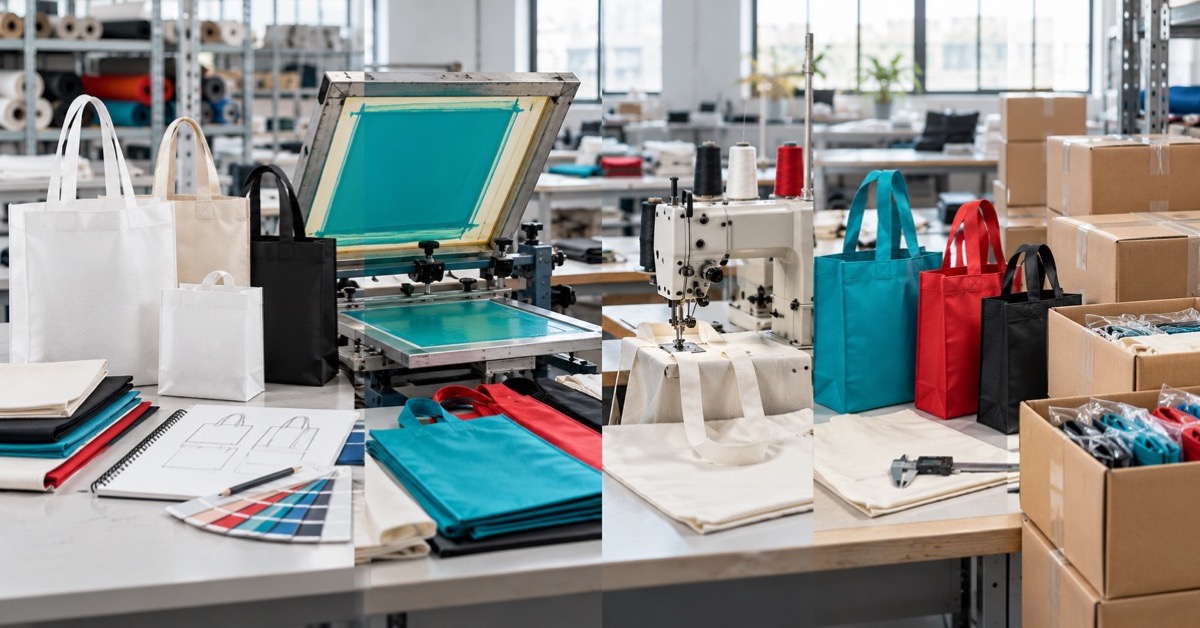
Two colours of the same non woven bag may be separate print batches. Two sizes may require a different cutting layout. A handle change may add an operation even when the artwork is unchanged.
The model groups variants by the production change, not by how the buyer names them. PackMK uses those groups to estimate setup count, material reservation and the order in which cartons should be packed.
Choose a buffer with a reason
A buffer is not permission to order a random extra percentage. It covers a stated risk such as forecast uncertainty, a fixed event date, a long replenishment route or a minimum print batch.
Name the reason and the owner of the release. PackMK keeps the buffer in a separate row so the buyer can use it for a late store request without making the original allocation impossible to audit.
Inputs to confirm before a bulk non woven order
These fields are small but they decide whether the piece total can become a carton-safe dispatch.
- Quantity by size, colour and print version.
- Fabric weight or construction and handle type.
- Inner-pack and carton quantity.
- Destination list and required arrival date.
- Buffer reason and release owner.
PackMK asks for the fields before quoting so a low unit price does not hide a packing assumption.
Reconcile pieces, cartons and locations
A reconciliation table should balance three totals before production release.
| View | Total to match | Common mismatch |
|---|---|---|
| Purchase order | Pieces by variant | Buffer mixed into store demand |
| Packing plan | Pieces per carton | Carton quantity changes after quote |
| Allocation | Cartons by destination | One location receives a partial carton |
| Held stock | Buffer pieces | No owner for the release |
| Dispatch | Actual cartons and pieces | Carton marks do not match list |
PackMK signs off the reconciliation before labels are printed, because correcting a carton mark is cheaper than reopening packed stock.
Plan print batches around the event
Non woven bags are often used for a campaign with a hard date. Print batches should be ordered so the most urgent variant can be released first, while the remaining colours follow without blocking the whole shipment.
PackMK shows batch sequence and proof status on the production plan. If a sponsor mark changes, the buyer can see which cartons are affected rather than putting every variant on hold.
Make the carton the warehouse unit
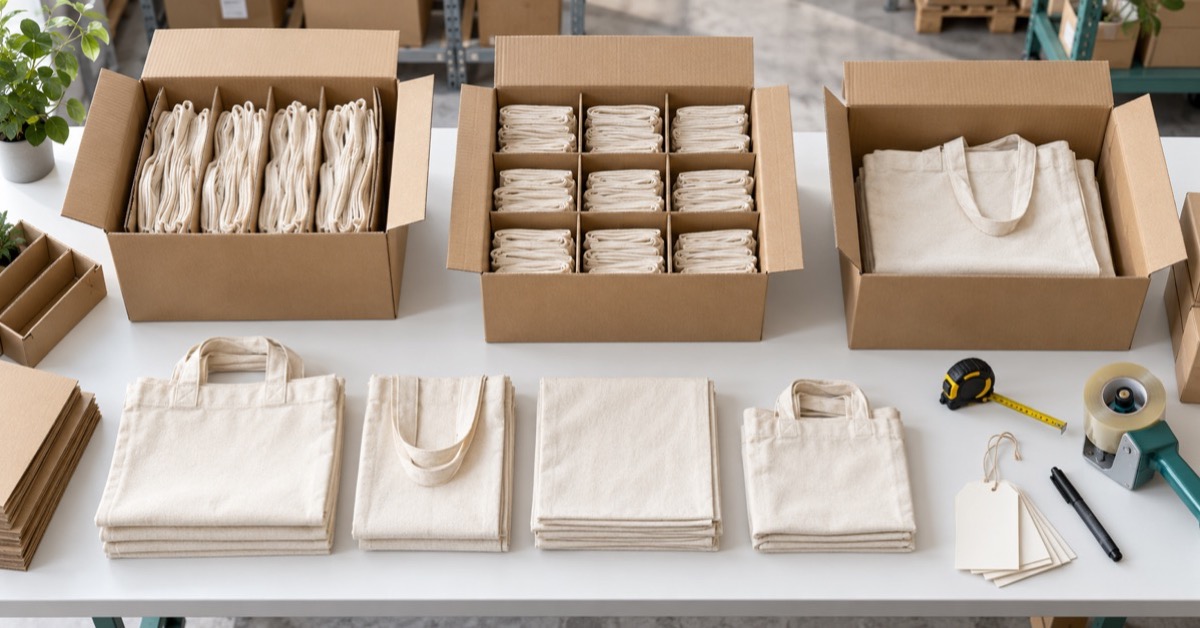
A warehouse team counts cartons, not individual bags, until a location needs a pick. Mark cartons by variant, destination and quantity, and keep the held buffer in a clearly separate stock group.
The packing list should use the same names as the allocation model. PackMK checks the first packed carton against the list before the line continues, which catches mixed variants at the cheapest point.
Use the model for a split shipment
A split shipment is a quantity decision and a service decision. The first release should cover the most time-sensitive demand, while the second release should remain traceable to the same production and packing basis.
PackMK separates the shipment by carton and destination rather than by an approximate percentage of pieces. The buyer can then reconcile freight, arrival and remaining stock without rebuilding the order.
Warning signs in a bulk non woven forecast
These phrases should trigger a request for a more exact input.
- The total is based on last year's pieces only.
- All colours are treated as one production batch.
- Extra bags are included just in case.
- Packing will be decided after printing.
- The warehouse can sort mixed cartons later.
Each shortcut can work for a small run, but a large order needs a named quantity and a named owner at every layer.
Close with an allocation release note
When the bags are ready, release the allocation with the actual carton numbers, not only the original percentages. Note what went to each destination, what remains in buffer and which variance was accepted.
PackMK stores the release note with the purchase file. The next order can then use actual carton consumption rather than an estimate that has never been tested in the warehouse.
Case example: a retail promotion with a late store addition
A retailer ordered 90,000 non woven bags for three store groups and held 5% as a campaign buffer. One week before launch, a fourth group requested stock. The original spreadsheet could not show which cartons could move without breaking the first three allocations.
PackMK released the held buffer by carton, kept each print variant intact and issued a revised destination list. The late store received complete cartons, while the original groups remained balanced and the buyer could reconcile the final dispatch against the same model.
References for carton and delivery planning
A clear allocation depends on recorded responsibilities and on delivery terms that identify when the goods and risk move between parties. Buyers can consult ISO quality management principles and ICC Incoterms rules overview for additional context. These references do not certify a particular PackMK order.
Write a bulk non woven bags brief
A practical bulk non woven bags brief should name demand band, print batch, buffer stock, carton allocation. It should also identify non woven gsm, MOQ, carton mark, Incoterms 2020 wherever they affect approval, production, packing or delivery. PackMK uses those fields to organize samples, quotation assumptions and release evidence.
Keep the bulk non woven bags model proportionate
A single destination and one print version can use a simple piece and carton check. Use the full model when there are several locations, multiple variants, a fixed event date, a held buffer or a shipment that must be split.
Plan bulk non woven bags with PackMK
Send PackMK your demand by location, variants, packing preference, arrival dates and buffer rule. We will return a model that reconciles pieces, cartons, destinations and held stock before production is released.
Common questions about bulk non woven bags
How should I calculate a bulk non woven bags order?
Start with demand by location and variant, add a named buffer, convert pieces into inner packs and cartons, then reconcile the allocation with the dispatch list. Do not add a percentage without a stated risk.
What is a demand band?
It marks how certain a quantity is, such as committed, expected or optional. The band helps decide which stock is protected first when a forecast or schedule changes.
Should different colours be separate production batches?
Usually yes when the print or ink setup changes. Group variants by the factory operation that changes rather than by the name used in the marketing plan.
How much buffer stock should I hold?
Set it from a specific risk such as forecast uncertainty, a fixed event date or a long replenishment route. Record the percentage, pieces and release owner separately from store demand.
Why are carton quantities important?
The warehouse counts and allocates cartons. If carton quantity changes after the quote, the destination split, freight cube and receiving plan can all move.
Can I ship partial cartons?
You can, but it creates a new handling and counting risk. Use complete cartons when possible and state the partial quantity, mark and destination when it is unavoidable.
How do I handle a late store request?
Release held buffer by complete carton and issue a revised allocation. Do not pull pieces from several destinations without updating the carton and dispatch records.
What should non woven bag packing marks show?
Show destination, variant, quantity, carton number and any required handling note. Use the same names as the purchase order and allocation model.
What is MOQ in a bulk bag order?
MOQ is the minimum order quantity for a specified basis. Confirm whether it applies to the total order, each colour, each size or each print batch.
What should a bulk non woven bags brief contain?
Include demand by location, variants, fabric, handle, artwork, print batches, inner and carton quantity, buffer rule, destinations and arrival dates. PackMK uses those fields to build the model.